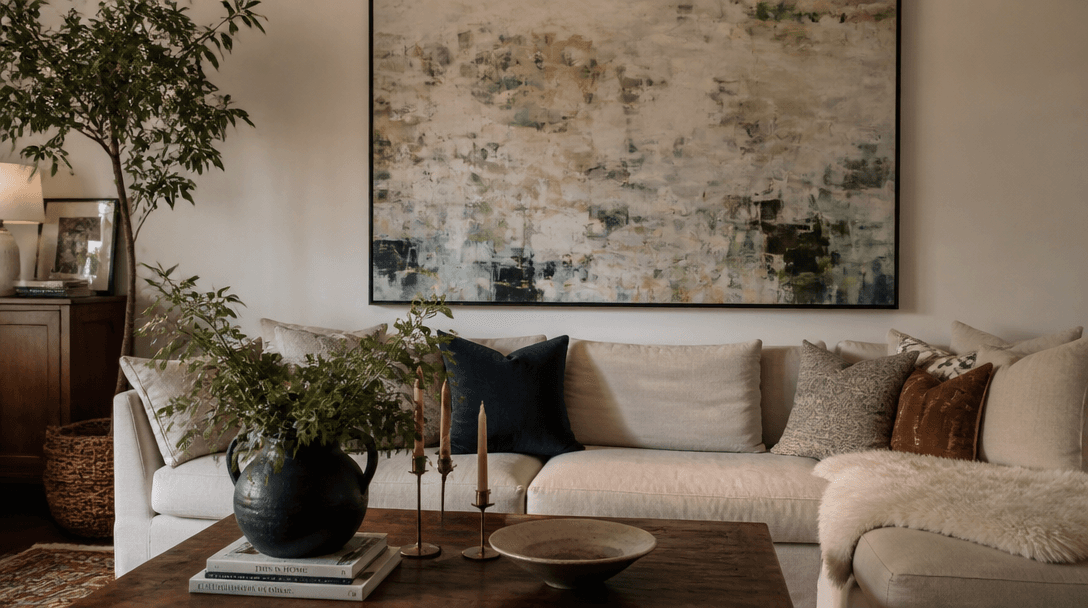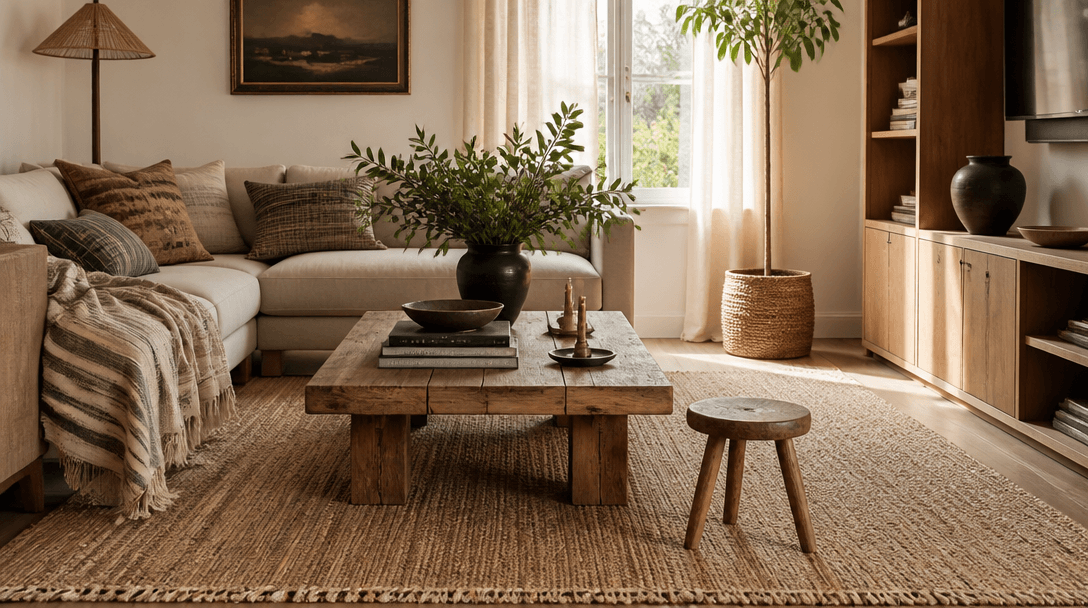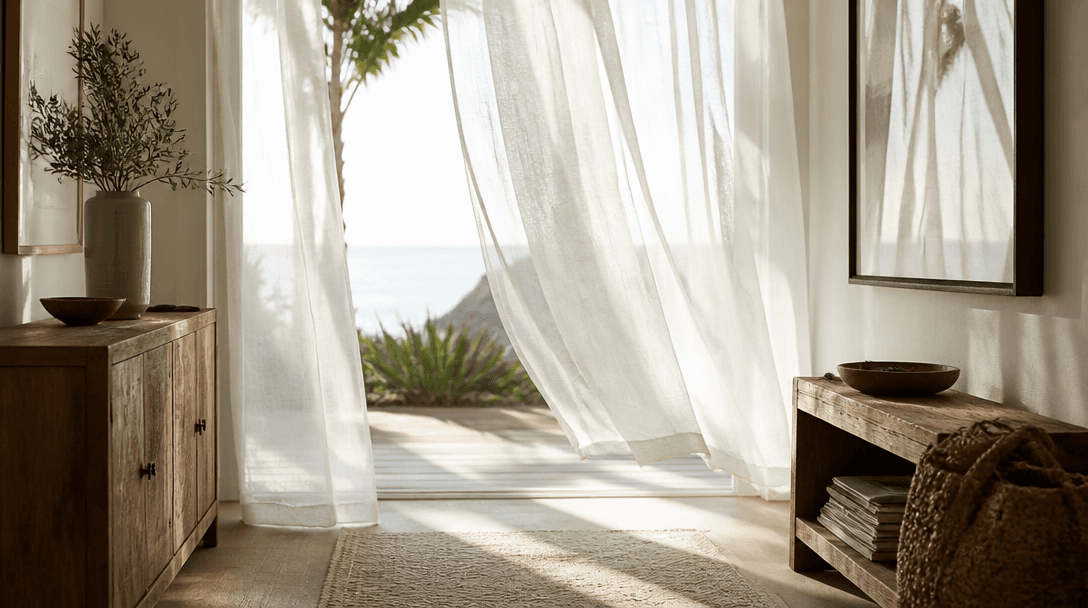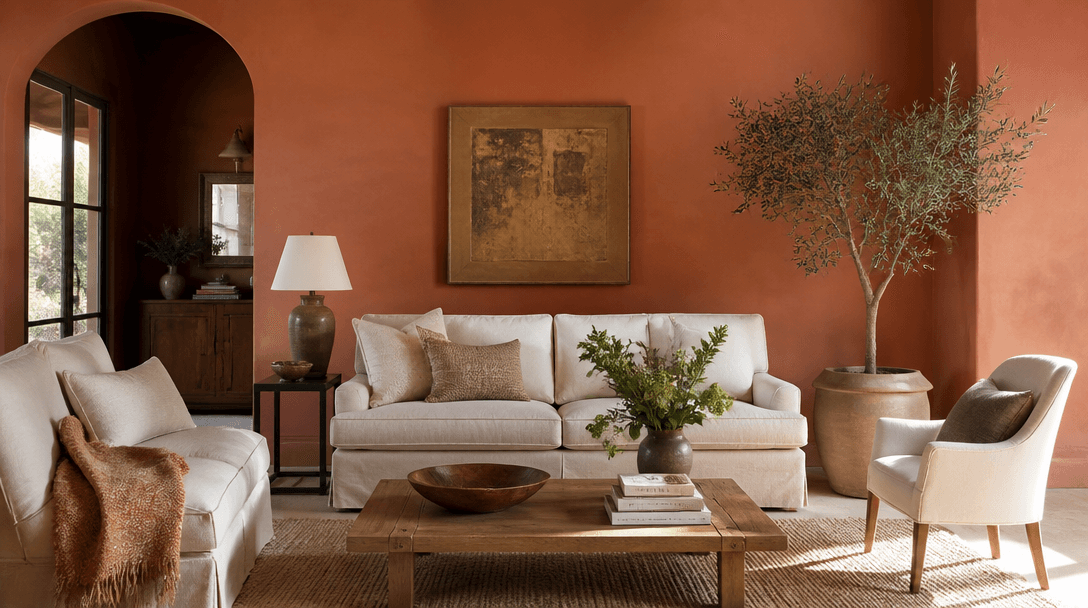
Let us be honest: stepping into your home after a long, exhausting commute through Indian traffic should feel like a warm hug. But more often than not, we walk into spaces that feel either too cluttered, too dark, or just plain uninspiring. If you are living in a typical urban apartment, whether it is a compact 1BHK in Mumbai or a spacious 3BHK in Delhi, you have probably realized that decorating a home in India comes with its own unique set of challenges. We have to battle heavy construction dust, high monsoon humidity that causes wall dampness, and layouts that do not always get the best natural light.
When you are decorating on a tight budget, you might feel like your options are limited. You cannot easily break down walls or import expensive Italian marble. But here is the good news: paint is the ultimate budget-friendly design tool. A fresh coat of paint in the right colour combination can instantly make your home look premium, spacious, and highly curated. Let us look at some of the most practical, beautiful, and budget-friendly colour combinations that actually work for Indian home interiors, keeping our unique climate, layouts, and lifestyles in mind.
Understanding the Indian Context: Dust, Humidity, and Layouts
Before we jump into specific colour palettes, we need to address the practical realities of Indian households. Unlike the pristine, dust-free homes we see on global design blogs, our homes are active, dusty, and subject to intense weather conditions. If you have young children or pets, your lower walls are going to suffer from muddy footprints, crayon marks, and general wear and tear. Therefore, choosing the right type of paint is just as important as choosing the right color.
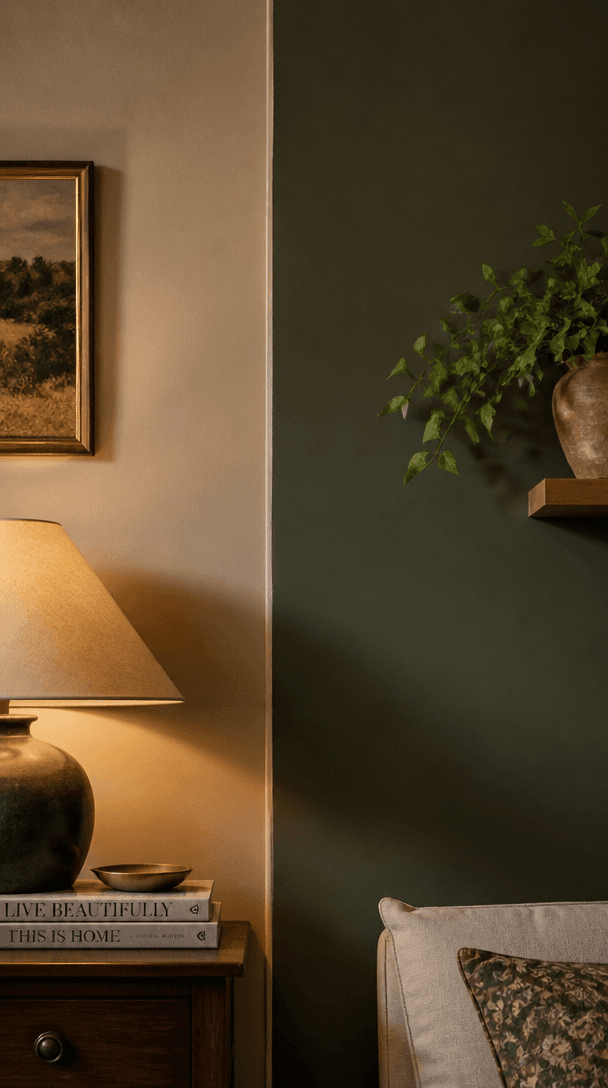
For budget decorators, Asian Paints Tractor Emulsion is an absolute lifesaver. It costs only slightly more than traditional distemper but gives a smooth, matte finish that lasts much longer and looks incredibly premium. If you have a slightly higher budget for high-traffic zones like the living room, upgrading to Asian Paints Apcolite is highly recommended because these are washable. You can easily wipe off dust and stains with a damp microfiber cloth without stripping the paint off the wall.
Another major factor is our tropical light. India gets incredibly bright, harsh sunlight for most of the year. Colors that look cozy and warm in Western countries can look completely washed out or overwhelmingly bright under our sun. Conversely, cool shades can sometimes make a room look clinical if not balanced correctly. We also have to consider our flooring. Most modern Indian apartments come with beige or white Kajaria vitrified tiles or marble-print tiles. Your wall colors must complement these existing floors because changing flooring is a massive, expensive hassle.
Terracotta Rust and Warm Ivory: The Grounded Indian Soul
If you want your home to feel warm, welcoming, and deeply rooted in Indian heritage without looking outdated, this is your perfect palette. Terracotta rust is a rich, earthy color that mimics the natural clay pots of our traditional courtyards, while warm ivory keeps the space bright and modern. This combination works exceptionally well in 2BHK and 3BHK living rooms where family and guests gather.
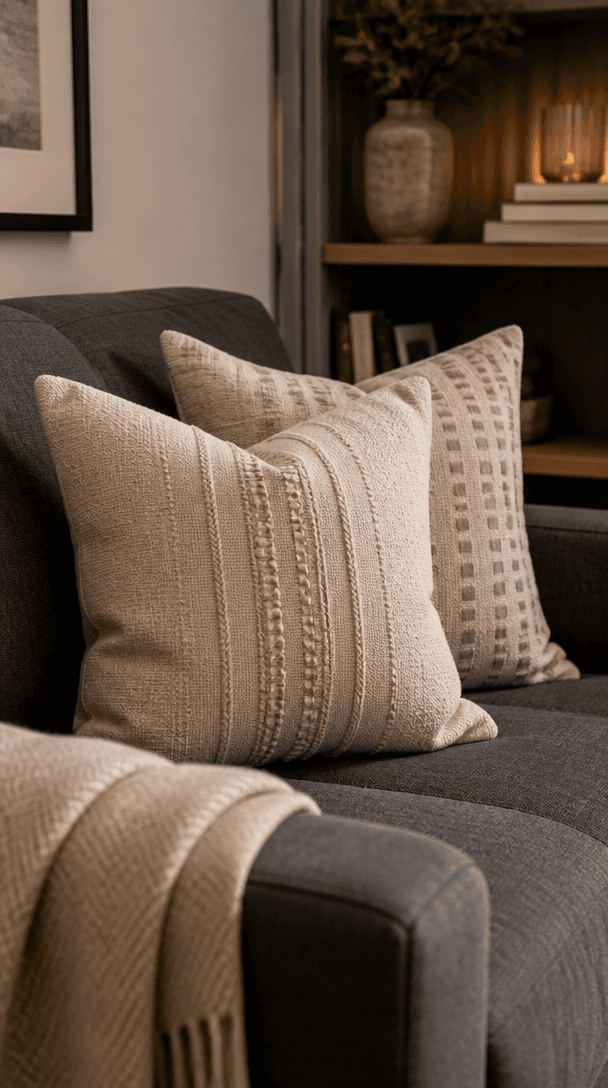
To implement this look on a budget, paint three of your living room walls in a soft, warm ivory shade. Do not use a cold, stark hospital white; instead, choose a shade with warm undertones, like Asian Paints Warm Cotton or Morning Glow. For your main focal wall, which is usually the wall behind your sofa or television unit, paint it in a deep terracotta rust. This single accent wall will create an instant focal point, adding immense depth to the room without making it feel small or dark.
The beauty of this palette is how easily it pairs with budget-friendly, local Indian decor. If you have older wooden furniture, perhaps a solid teak wood sofa set handed down by your parents or a simple sheesham wood coffee table from Godrej Interio, the warm terracotta wall will make the natural wood grains look rich and expensive. Accessorize with green potted plants like monstera or money plants in simple terracotta pots. The contrast between the deep rust, warm white, and vibrant green is a classic Indian aesthetic that costs almost nothing to achieve.
Royal Teal and Soft Grey: The Contemporary Urban Sanctuary
For those who prefer a modern, sleek, and slightly dramatic aesthetic, royal teal and soft grey are a match made in heaven. Teal is a luxurious, jewel-toned color that adds instant sophistication, while soft grey serves as a neutral balancer that keeps the room from feeling dark or overwhelming. This combination is particularly well-suited for bedrooms or a quiet home office nook.
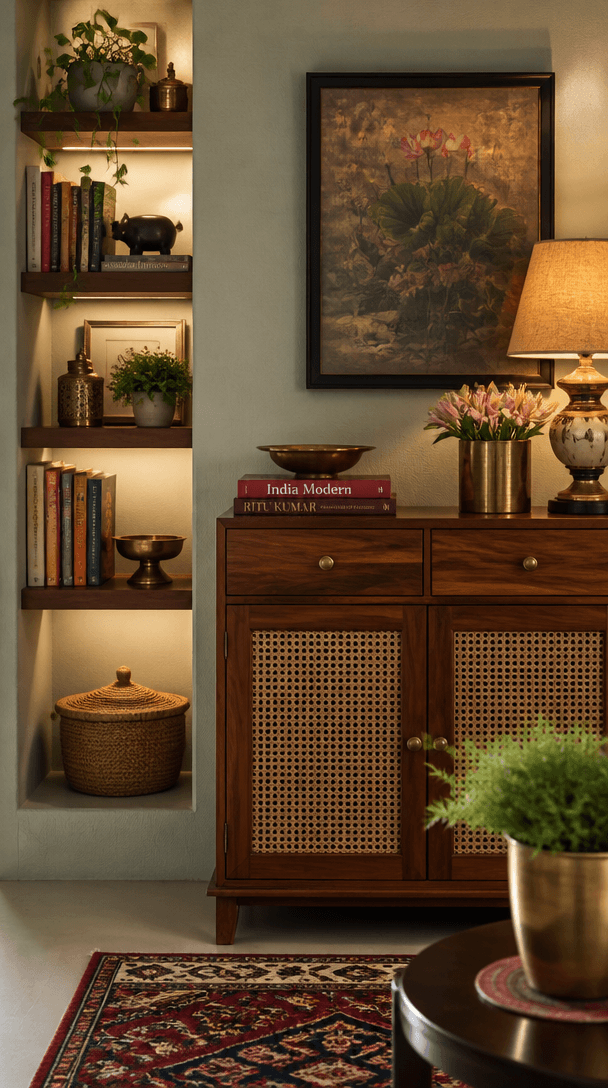
When working with this palette in a compact 1BHK or 2BHK bedroom, use soft grey as your canvas. Paint the majority of the walls in a light, light-reflecting grey. This acts as a highly practical alternative to white, as grey is much better at hiding light dust and fingerprint smudges. Then, paint the wall behind your bed, right where your Sleepwell mattress headboard sits, in a deep, moody teal. This creates a cozy, cocoon-like feel that promotes restful sleep.
Styling this palette on a budget is incredibly fun. Teal looks incredibly premium when paired with metallic accents. Instead of buying expensive metallic decor, you can visit local brass-ware markets and pick up small brass planters, frames, or decorative bowls for under 1,000 rupees. You can also give your old wooden nightstands a quick DIY makeover by painting them black or white and swapping out the old handles for inexpensive brass knobs. The combination of rich teal, cool grey, and warm brass looks like a high-end boutique hotel room.
Mustard Yellow and Muted Charcoal: The Vibrant and Practical Balance
Yellow is a color of joy and celebration in Indian culture, but many homeowners are terrified of using it indoors. A bright, neon yellow can quickly make a room look like a school bus. The secret to using yellow successfully is to opt for a deep, warm mustard yellow and pair it with a grounding, muted charcoal grey. This combination is energetic, sophisticated, and highly practical.
This palette is absolutely brilliant for dining areas, kitchens, or entryways. In Indian kitchens, oil and spice splatters are an everyday reality. Pure white walls near the kitchen are a recipe for constant cleaning stress. By using a muted charcoal grey on the lower half of your walls or around high-traffic door frames, you can effectively mask these inevitable stains. Then, use mustard yellow on the upper half of the walls or on a single accent wall to bring in light and energy.
To keep your decorating budget low, let your flooring do some of the heavy lifting. If your home has light grey vitrified tiles or neutral marble floors, this palette will tie the entire space together beautifully. You can accent the room with simple black-framed family photographs or budget-friendly monochrome prints. This creates a highly stylized, designer look without requiring you to spend a fortune on expensive wall art.
Mint Green and Soft Peach: The Fresh and Airy Oasis
If your apartment suffers from a lack of natural light, which is incredibly common in high-density Indian cities where buildings are constructed close to each other, you need a palette that maximizes brightness. Mint green and soft peach are a delightful, pastel combination that brings the freshness of a garden indoors. It feels incredibly soothing, airy, and light.
This combination is a fantastic choice for kids' rooms, guest bedrooms, or small balconies. Mint green has been scientifically proven to have a calming effect on the eyes and the nervous system, making it great for study areas. Soft peach adds a gentle flush of warmth, ensuring that the room does not feel cold or clinical. Use mint green as the primary wall color, and bring in peach through textiles, cushions, or a painted arch detail on the wall.
Decorating this look on a budget is easy because it thrives on natural, lightweight materials. Look for light cotton or linen curtains in off-white or cream from local handloom exhibitions, which will allow maximum natural light to filter into your home. These curtains usually cost less than 800 rupees per piece. Pair them with cheap cane or wicker baskets for storage, and you will have a beautiful, breezy oasis that feels far away from the noisy, dusty city outside.
The Rental Hack: Warm Neutrals and Flexible Accents
Let us address the big elephant in the room: renting in India. Most Indian landlords are notoriously conservative when it comes to wall colors. They often insist on plain white walls and forbid tenants from painting walls in dark, bold shades. If you are living in a rented 1BHK or 2BHK, you do not have to settle for boring, sterile white walls. You can still create a beautiful home within these constraints.
The ultimate rental hack is to use warm neutrals like greige (a beautiful blend of grey and beige) or oat milk instead of standard builder-grade white. These colors are incredibly subtle, so your landlord is highly unlikely to object, yet they feel significantly warmer and more premium than basic white. They provide a clean, elegant canvas that makes your rental apartment look instantly high-end.
Since you cannot paint bold accent walls, you must bring in color through flexible, non-permanent elements. Use colorful rugs, throw pillows, and curtains to define your color palette. For example, you can create a beautiful terracotta and ivory look by keeping the walls neutral and adding a rust-colored rug, ivory curtains, and terracotta ceramic pots. When it is time to pack up and move to a new place, your entire color scheme travels with you, ensuring that none of your hard-earned money goes to waste.
Actionable Strategies to Save Money on Your Paint Project
Now that you have chosen your perfect colour combination, let us talk about how to execute the project without burning a hole in your pocket. Painting can get expensive, but with some smart planning and negotiation, you can easily cut your costs by up to 40 percent.
First, manage the preparation work yourself. The secret to a flawless paint job is not actually the paint; it is the wall preparation. Professional painters often charge a premium for moving furniture, taping borders, and covering floors. By spending one weekend clearing out your rooms, masking the borders with cheap painter's tape, and covering your floors and furniture with inexpensive plastic drop cloths, you can negotiate a much lower labor rate with your local painter.
Second, understand where to spend and where to save. You do not need top-tier, expensive washable paint on every single surface. Ceilings, for example, do not experience any physical contact, dust friction, or fingerprints. You can comfortably use basic, low-cost distemper or entry-level emulsion for your ceilings. Save your budget for the primary walls, especially the lower half of the walls in high-traffic zones like corridors and living rooms, where washable paint is absolutely essential.
Third, source your materials smartly. Many local contractors will offer to buy the paint for you, but they often add a significant markup or purchase from specific dealers where they get a commission. Instead, calculate the paint requirement yourself using online paint calculators, and buy the paint directly from a local wholesale paint dealer. You can often get substantial discounts on major brands like Asian Paints or Berger when you buy in bulk, saving you thousands of rupees.
Finally, consider the power of the one-wall transformation. If your entire apartment is in decent shape but just looks a bit dull, you do not need to repaint the entire house. Simply pick one key wall in your living room or bedroom and paint it yourself or hire a local painter for a single afternoon. A small, 4-liter bucket of premium paint and a basic roller kit will cost you less than 2,000 rupees in total, but the visual impact of that one gorgeous accent wall will make your entire home feel brand new.
Decorating your home does not have to be an all-or-nothing, highly expensive ordeal. By choosing the right colour combinations that complement your existing space and applying these budget-friendly strategies, you can create a home that feels warm, personal, and incredibly stylish. Your home is your sanctuary, so choose the colors that make you feel truly at peace every time you walk through the door.