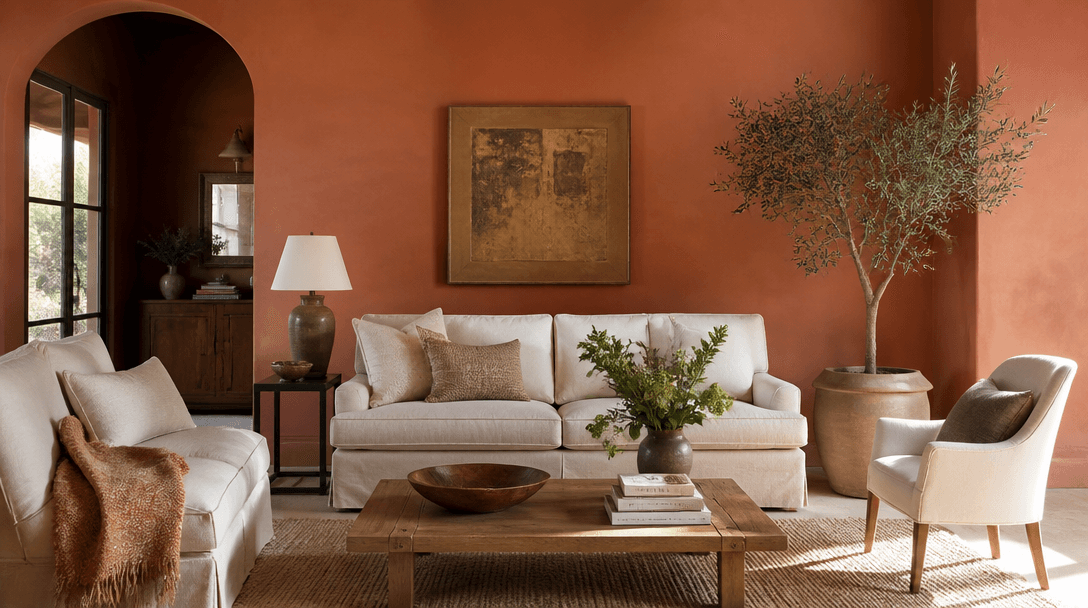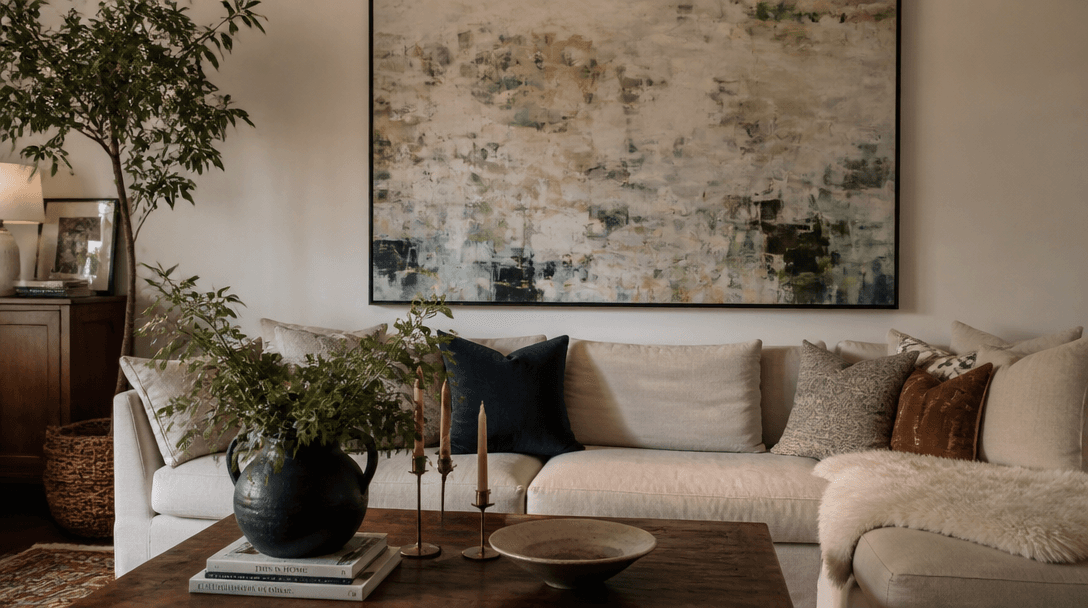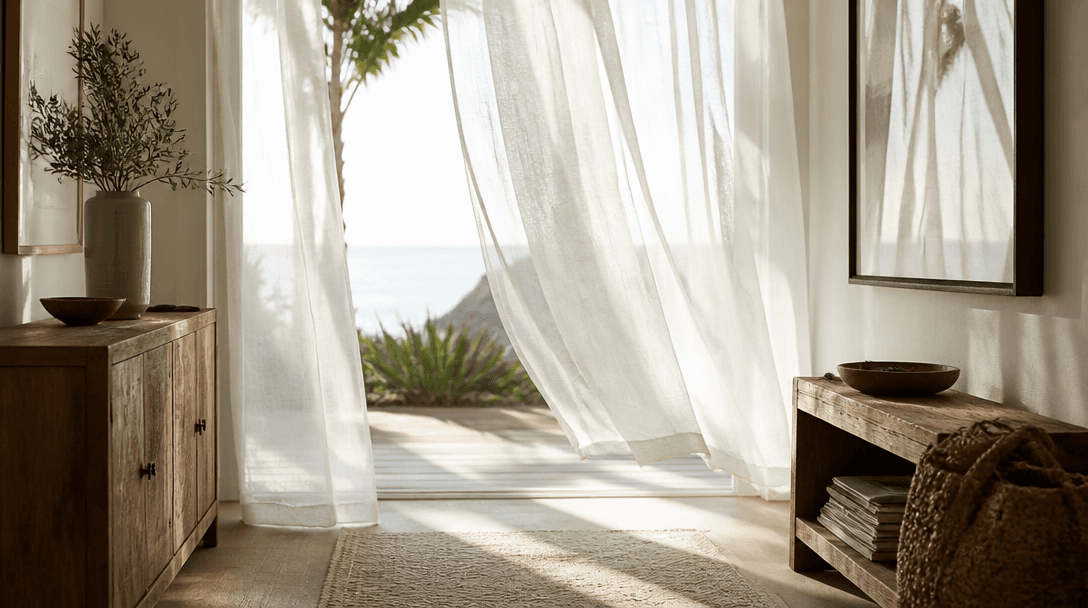
Think about the last time you stepped into your home after an exhausting day. Your feet touch the ground, and instantly, you feel its texture. In Indian households, the floor is not just a surface to walk on; it is a space where children play, families fold laundry, and friends gather for tea. Yet, when we think of home decor, we usually focus on eye level elements like paint, curtains, and artwork. Your floors occupy the exact same amount of visual space as your walls, making them a massive, untapped canvas. Elevating your flooring can completely change how a room feels, turning a sterile space into a warm, inviting sanctuary.
Decorating floors in an Indian context comes with specific challenges: relentless street dust, intense monsoon humidity that leaves marble sticky, and cold vitrified tiles in winter. Add to that the restrictions of renting a typical 1BHK or 2BHK apartment, where you cannot make permanent structural changes, and the task can seem daunting. The good news is that you do not need a massive budget or a contractor. With smart choices in rugs, temporary tiles, and traditional elements, you can easily elevate your floors while staying well within your budget.
1. Smart Tile Makeovers on a Budget
If you own your apartment but hate the dated, scratched tiles that came with it, do not call a contractor to rip them out. Demolition is noisy, dusty, and expensive. Instead, consider tile-on-tile installation. Modern adhesives allow you to lay thin, high-quality vitrified tiles directly over your existing floor. Brands like Kajaria offer beautiful, large-format tiles that mimic natural marble or concrete at a fraction of the cost. This method saves on demolition labor and debris disposal fees, easily cutting your renovation budget by twenty thousand rupees for a standard living room.
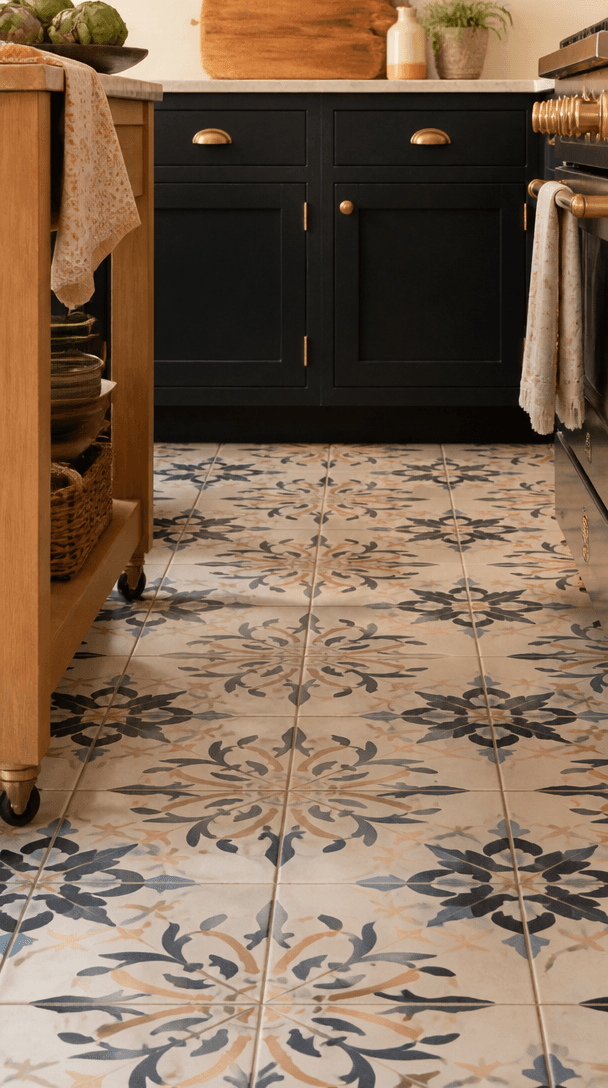
If you are renting, peel-and-stick vinyl flooring is your ultimate secret weapon. These planks are highly budget friendly, costing around fifty to eighty rupees per square foot, and they are easy to install yourself over a weekend. They come in gorgeous wood-grain textures that instantly bring the warmth of hardwood to a cold rental living room. To make sure they survive the heavy dampness of the Indian monsoon, ensure your subfloor is completely dry and clean before laying them down. When it is time to move out, a quick blast with a hair dryer softens the adhesive for easy removal.
2. Choosing Rugs that Handle Indian Dust and Humidity
We have all seen gorgeous, plush shag carpets on design feeds and wanted to sink our feet into them. But in a typical Indian home, a high-pile carpet is an absolute nightmare. It acts like a giant dust trap for the fine silt that settles over our cities, requiring frequent, expensive professional dry cleaning. Instead, look for flat-woven rugs, particularly the humble Indian dhurrie. Traditionally hand-woven from cotton or wool, dhurries have no pile, meaning there are no deep fibers to trap dust or food crumbs. They are durable, breathable, and can be easily shaken out or washed at home.
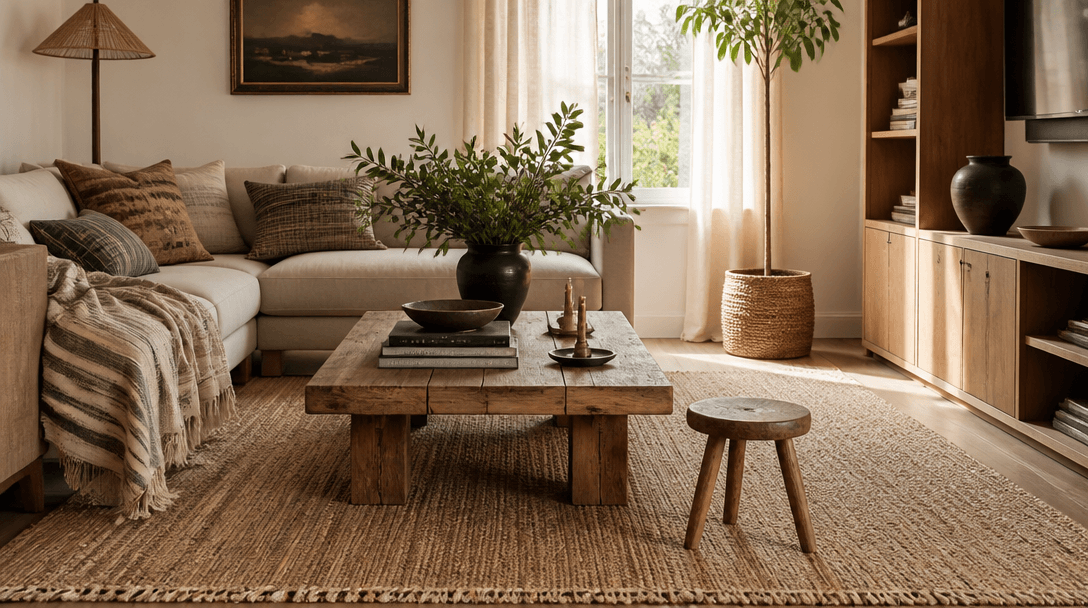
Another spectacular option for an organic look is a natural fiber rug made of jute or sisal. Jute rugs are incredibly budget-friendly, often costing under three thousand rupees for a generous six-by-four-foot size. They add an earthy texture that contrasts wonderfully with smooth tiles. However, jute has one major enemy: moisture. During humid monsoon months, jute can absorb ambient dampness, leading to musty odors. To prevent this, keep your Jute rugs in well-ventilated areas like the living room rather than near kitchen or bathroom doors. Sprinkle baking soda over your jute rug occasionally, let it sit for half an hour, then vacuum it up to neutralize odors.
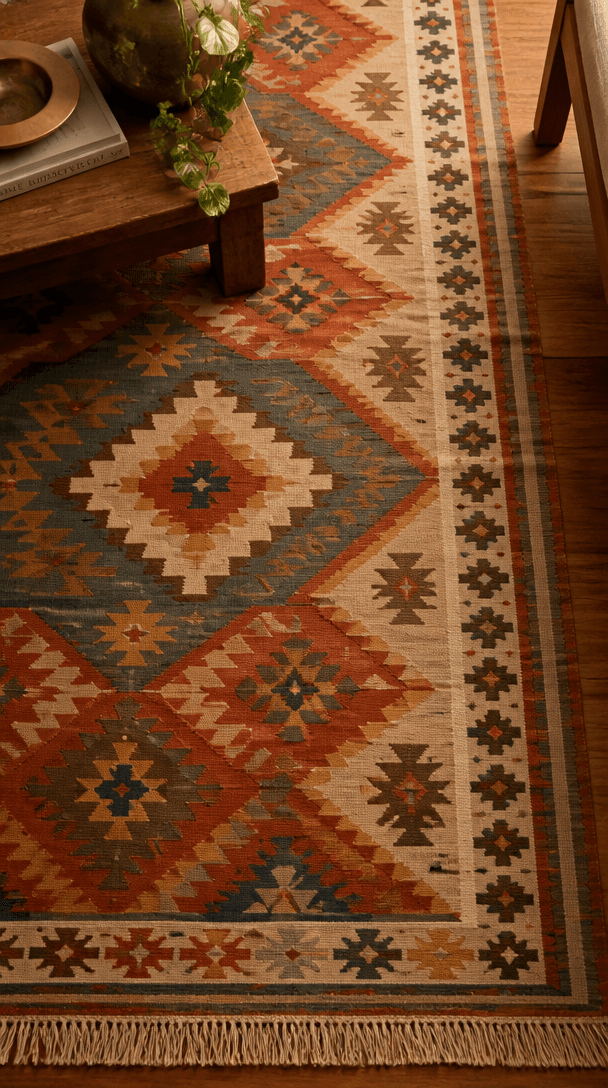
For high-traffic zones like your entryway, kitchen, or dining area, look for modern washable rugs made of synthetic fibers like polyester. These rugs are virtually indestructible. If you spill a bowl of turmeric-rich dal or drop tea, you do not have to panic. You can simply spot-clean them with mild liquid soap and warm water, or throw smaller sizes directly into your home washing machine. Many domestic brands now offer these washable rugs with gorgeous, vintage Persian patterns, giving you a classic, luxurious look without the heavy maintenance or high price tag.
3. Rules of Scale and Placement for Indian Layouts
One of the most common design mistakes in Indian homes is buying a rug that is far too small. We often buy a small four-by-six-foot rug and float it in the middle of a spacious living room, which visually shrinks the space and makes the furniture look disconnected. The golden rule of rug placement is that your rug should anchor your furniture. In a typical 2BHK or 3BHK living room, look for a rug that is large enough so that at least the front legs of your main sofa and accent chairs rest on it. For a standard three-seater sofa, such as a classic Godrej Interio set, a six-by-nine-foot rug is usually ideal.
In your bedroom, your floor decor should prioritize physical comfort. Stepping out of bed onto a cold, hard floor in the morning is a jarring way to start the day. Instead of buying one massive, expensive area rug that sits mostly hidden under your double bed, use narrow runners on either side of the bed. Placing a colorful, hand-woven cotton runner next to your Sleepwell mattress gives you that soft, warm landing every morning without breaking your budget. This layout works beautifully with standard bed frames and leaves the beautiful perimeter of your main flooring visible.
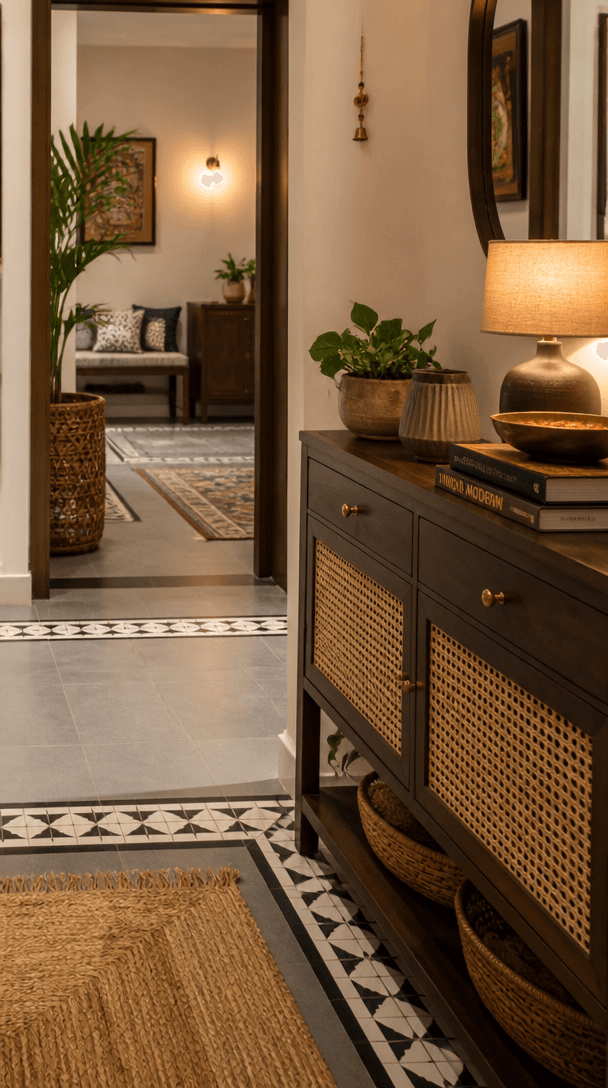
For dining spaces, you must be highly practical. If you choose to place a rug under your dining table, make sure it extends at least two feet beyond the table edges on all sides. This allows guests to pull their chairs back to sit down without the chair legs catching on the edge of the rug. However, in smaller dining areas, we recommend skipping a dining rug altogether. Between daily food spills and the constant sliding of heavy wooden chairs, keeping a dining rug clean can quickly become an exhausting chore. Instead, let your polished floors shine and focus your efforts elsewhere.
4. Creative Layering and Zonal Decor
If you love the look of high-end Kashmiri silk carpets but cannot justify spending fifty thousand rupees on a single floor accessory, rug layering is your ultimate design hack. Start by buying a large, neutral, budget-friendly jute or plain cotton rug to cover the bulk of your seating area. This acts as your affordable base layer. Then, purchase a smaller, brightly colored traditional rug with intricate patterns and place it directly on top of the base rug, centering it under your coffee table. This technique creates a rich, designer-worthy look, adds depth to your room, and saves you thousands of rupees.
Layering is also an excellent tool for defining distinct zones in modern, open-concept apartments. In many 2BHK and 3BHK homes, the living room and dining room flow into each other without physical walls. You can use different rugs to define these zones visually. Place a large, rectangular cotton dhurrie to ground the active conversation area in your living room, and use a round jute rug under a cozy armchair in the corner to create a separate reading nook. The contrast in shapes and textures instantly tells your brain that these are two distinct spaces, keeping your layout organized.
5. Non-Permanent Balcony Flooring Hacks
Indian balconies are wonderful spaces to enjoy your morning cup of filter coffee or evening tea, but they are often neglected, featuring dusty, basic tiles. You can easily transform your balcony floor using interlocking wooden deck tiles. These tiles, typically made of weather-resistant acacia wood, snap together like puzzle pieces without any adhesive or nails. You can lay them directly over your existing balcony tiles in less than an hour. They instantly give your outdoor space a warm, luxurious, resort-like feel. Best of all, if you are renting, you can easily un-snap them and pack them up when you move.
To keep your balcony deck tiles looking fresh despite intense summer heat and heavy monsoons, give them a light coat of clear exterior wood oil once a year. This simple step prevents the wood from drying out, cracking, or losing its rich color under the harsh sun. Additionally, sweep beneath them occasionally to prevent dust and leaves from blocking the drainage channels. Since the tiles are elevated on a plastic mesh backing, rainwater will flow right under them to your balcony drain, keeping your feet dry and preventing slips.
6. Traditional Touches: Beyond Rugs and Tiles
Floor decor does not have to be limited to textiles and hard flooring. In Indian culture, the floor has always been treated as a canvas for beauty, hospitality, and daily rituals. You can bring this rich cultural feeling into your home using low-level decorative accents. A large, polished brass urli filled with water, fresh flower petals, and floating candles is a stunning way to decorate your entryway or living room corner. It creates an instant sense of peace and warmth as soon as you step through the front door. Just ensure it is tucked safely into a corner.
Another beautiful and practical floor decor option is the traditional floor seating arrangement, or baithak. In compact apartments where a bulky sofa set can make the living room feel overcrowded, a low-seating area is an absolute lifesaver. You can place a firm floor mattress or a collection of oversized, colorful floor cushions in a dedicated corner of your room. Dress them in hand-printed cotton covers or rich ikat fabrics to match your color palette. This creates an informal, relaxed space perfect for casual family gatherings, board game nights, or simply lounging with a book.
7. The Ultimate Floor Maintenance Guide for Indian Homes
No matter how much effort you put into selecting rugs and tiles, they will only look as good as they are maintained. Daily sweeping and mopping is a staple in almost every Indian household, but using the wrong methods can actually ruin your flooring. When mopping vitrified or ceramic tiles, avoid cheap, soapy floor cleaners that leave a sticky residue behind. This residue acts like a magnet for fine dust, making your floors look dull within hours of cleaning. Instead, use a specialized floor cleaner or simply warm water mixed with a splash of white vinegar and a single drop of mild dish soap.
If you have installed laminate wood flooring, you must protect it from moisture. Never use a soaking wet mop on wood, as water can seep into the seams, causing the edges to swell, warp, and buckle, especially during high-humidity seasons. Use a microfiber flat mop that is barely damp. For your rugs, rotate them 180 degrees every six months. This simple habit ensures even wear and prevents one side from fading faster due to sunlight streaming through your windows. If you experience a spill, spot-treat it immediately by blotting the liquid with a clean, dry cloth.
Budget Breakdown: A Dream Floor Makeover Under ₹10,000
To show you how incredibly achievable and affordable a floor transformation can be, let us put together a realistic budget for a typical 2BHK living room and balcony. You do not need to spend a massive amount of money to make a high-impact change. Let us start with a beautiful, flat-woven cotton dhurrie for your main living room seating area, which you can easily source from local handloom exhibitions or online stores for around ₹3,000. Next, add a sturdy, six-foot natural jute runner for your entryway hallway to trap incoming dust and create a welcoming entrance, costing about ₹1,500.
For your balcony, a set of nine interlocking wooden deck tiles to cover a cozy two-by-three-foot seating nook will cost around ₹2,500. Finally, let us add those classic finishing touches: a medium-sized brass urli for your entryway corner at ₹1,500, and two large, comfortable floor cushions with block-printed cotton covers for ₹1,500 total. This entire floor makeover comes to exactly ₹10,000. It completely transforms the visual appeal, texture, and comfort of your home without any messy construction or permanent alterations, proving that thoughtful design and practical choices are always more powerful than a massive budget.