The dream of having a beautiful, Pinterest-worthy home is something we all share, but the reality of decorating can feel incredibly daunting when you start looking at the price tags. When you move into a new apartment, whether it is a cozy 1BHK rental in Mumbai or a spacious 3BHK in Gurgaon, the excitement of having a blank canvas can quickly turn into sticker shock. High-end design boutiques and luxury decor stores charge astronomical prices for simple items, leaving many of us to believe that the only alternative is to fill our homes with cheap, mass-produced plastic items that lose their charm in a matter of weeks and make our living spaces look tacky.
But here is the good news: you do not need to spend a fortune to create a home that looks sophisticated, warm, and curated. The secret to budget decorating in India lies in knowing where to look, understanding which materials inherently look expensive, and learning how to blend affordable finds with a few strategic investments. Indian homes face unique environmental factors, from intense monsoon humidity that can ruin cheap particle board to fine daily dust. Therefore, our budget decor choices must be both visually stunning and highly practical, designed to withstand local conditions while elevating our daily living experience.
In this comprehensive guide, we will walk you through the ultimate roadmap to sourcing stunning, high-quality home decor in India without breaking the bank. We will dive deep into the best online stores for chic accessories, reveal the secret local markets where designers shop, discuss the material rules you must follow, and share easy styling hacks that instantly make inexpensive items look like high-end designer pieces. Get ready to transform your space into a beautiful sanctuary that feels deeply personal, cozy, and wonderfully luxurious.
The Core Rules of Material Selection: Why Textures Matter
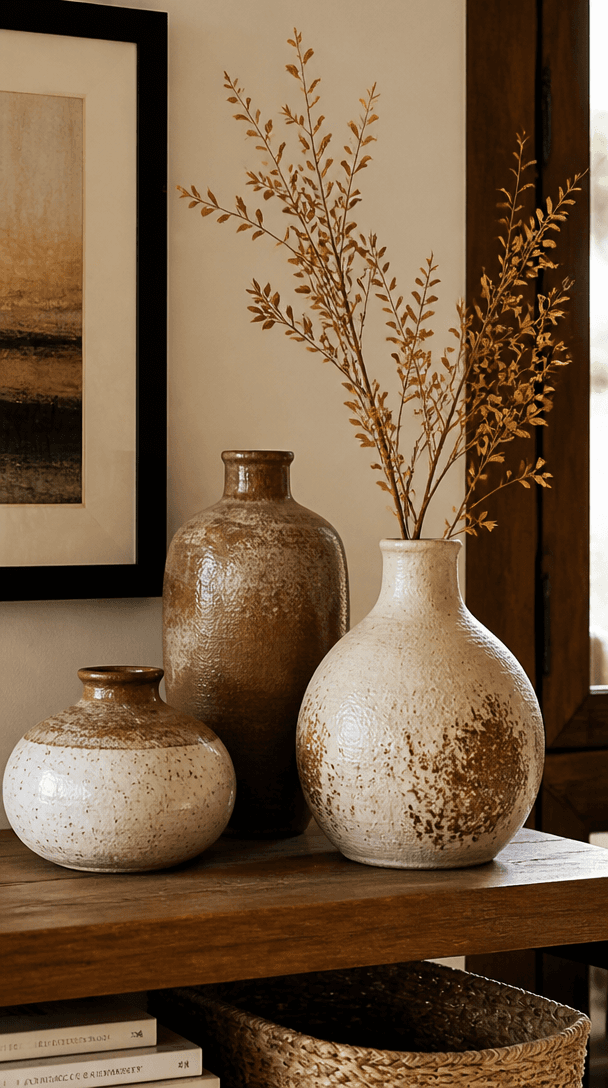
If you want your home to look premium on a budget, your first step is to shift your focus from brand names to raw materials. The reason some cheap items look cheap is rarely because of their price; it is because of what they are made of. Synthetic materials such as polyester cushion covers, plastic faux plants, and shiny laminate finishes reflect light in a harsh, cold manner. On the other hand, natural materials like terracotta, polished brass, solid mango wood, jute, and handwoven cotton possess organic textures that absorb light softly, creating an automatic sense of warmth and luxury.
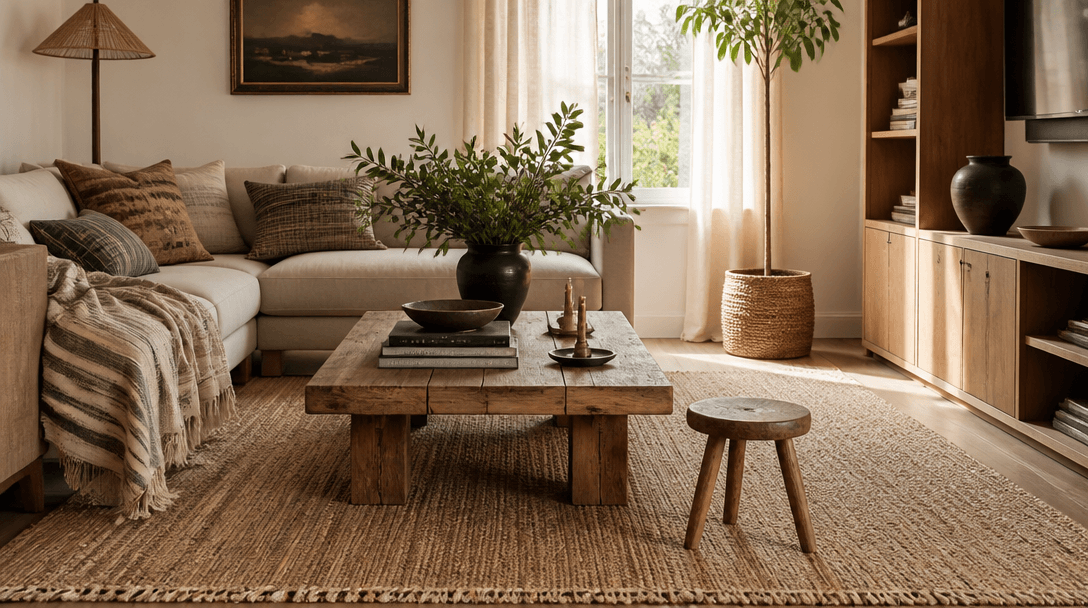
In the context of Indian homes, choosing the right materials is also crucial for durability. Cheap engineered wood, often sold by online mass retailers, tends to swell and peel during the humid monsoon season, especially in coastal cities like Mumbai or Chennai. Instead of buying large, low-quality furniture pieces made of compressed fiberboard, look for smaller, solid wood alternatives. A compact accent table made of solid acacia or mango wood will survive the changing seasons and age beautifully, developing a natural patina that looks richer and more character-filled over time.
Another golden rule of budget decorating is to steer clear of overly shiny, bright yellow gold finishes on metal decor. Cheap gold plating quickly oxidizes, turns green, or flakes off under the influence of Indian dust and humidity. Instead, train your eye to look for brushed brass, matte black iron, antique bronze, or copper. These finishes have a muted elegance that mimics the look of expensive, custom-crafted hardware. When these metallic accents are paired with natural elements like stone, clay, or raw wood, they create a beautiful contrast that instantly elevates the visual value of the entire room.
The Best Online Destinations for Affordable and Elegant Decor
Fortunately, the Indian online shopping landscape has expanded far beyond generic marketplaces, offering specialized portals that cater to design-conscious homeowners on a budget. One of the absolute best sources for minimalist, high-quality home accessories is Westside Home. Their catalog focuses on neutral tones, clean lines, and highly functional designs that look like they belong in a Scandinavian boutique. From beautiful ceramic dinnerware and textured linen table runners to solid wood storage boxes and elegant glassware, Westside Home offers items that look incredibly premium but are priced very reasonably, often costing less than ₹1,000.
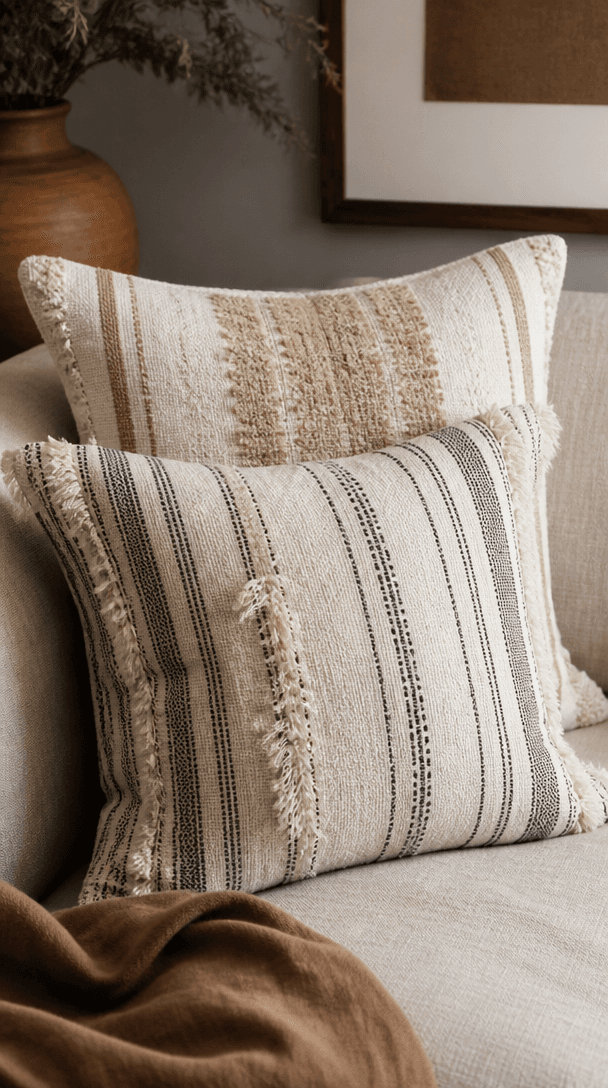
Another excellent online destination is H&M Home. While they do not have physical home concept stores in every Indian city, their online store and mobile app ship across the country. They are unmatched when it comes to small decorative accents like stoneware vases, organic ceramic candle holders, and linen textiles. If you have a simple, budget-friendly sofa from a brand like Godrej Interio, you can instantly make it look like a designer piece by replacing its stock cushions with textured, heavy cotton and washed linen covers from H&M Home. Their neutral color palettes and earthy textures add a relaxed, luxurious vibe to any living room.
For those who love sustainable, artisanal, and culturally rich designs, Ellementry is a brand you must explore. They specialize in handcrafted terracotta, ceramic, papier-mache, and wooden kitchenware and home decor that double as gorgeous display pieces. A simple terracotta water jug, a hand-painted ceramic serving bowl, or a hand-carved mango wood cake stand from Ellementry brings a warm, soulful charm to your dining space. Their products celebrate traditional Indian craftsmanship but present it with a clean, contemporary aesthetic that fits beautifully into modern 2BHK and 3BHK apartments.
If you are searching for modern wall art, contemporary planters, or stylish dinnerware, Nestasia is another fantastic digital storefront. They excel at offering trendy, chic designs that look highly curated. To keep your home looking sophisticated rather than cluttered, focus on their collections of textured ceramic planters, elegant glass decanters, and minimalist gold-accented serving platters. The key is to select items that have simple geometric shapes and refined finishes, avoiding their highly colorful plastic items, to maintain a cohesive and expensive-looking aesthetic throughout your home.
The Offline Sourcing Secret: Navigating Local Street Markets
While online shopping offers immense convenience, there is nothing quite like the thrill of sourcing unique, high-quality decor from India's vibrant local street markets. These bustling hubs are where interior designers secretly source amazing products at a fraction of retail prices. In the Delhi-NCR region, Gurgaon's Banjara Market is legendary for solid wood furniture, oversized ceramic planters, and statement mirrors. In Mumbai, the historic lanes of Chor Bazaar and Crawford Market offer vintage brass artifacts and exquisite glassware. Similarly, Bengaluru's Commercial Street and Chennai's Moore Market are filled with vendor stalls selling gorgeous handcrafted treasures.
However, shopping at these local markets successfully requires a sharp eye and patience. Since many of these items are export overruns or minor factory rejects, you must inspect them carefully before purchasing. When examining wooden furniture, check the joints for stability and ensure there are no deep cracks. Keep an eye out for tiny, powdery holes, which can indicate the presence of wood borers. If you are buying brass items, carry a small magnet in your pocket: real brass is non-magnetic, so if the magnet sticks to the item, it is simply cheap iron with a thin gold wash that will rust quickly.
Bargaining is an integral part of the street market experience, and it is highly expected by vendors. As a general rule of thumb, start by politely offering about half of the seller's initial asking price, and then work your way up to a mutually agreeable middle ground. Remember to keep the interaction light-hearted; saving ₹50 is never worth causing frustration to local artisans who work hard. Walking away calmly is often a highly effective strategy: if the vendor has room to lower the price, they will usually call you back and offer their best final rate.
High-Impact Styling Hacks That Cost Next to Nothing
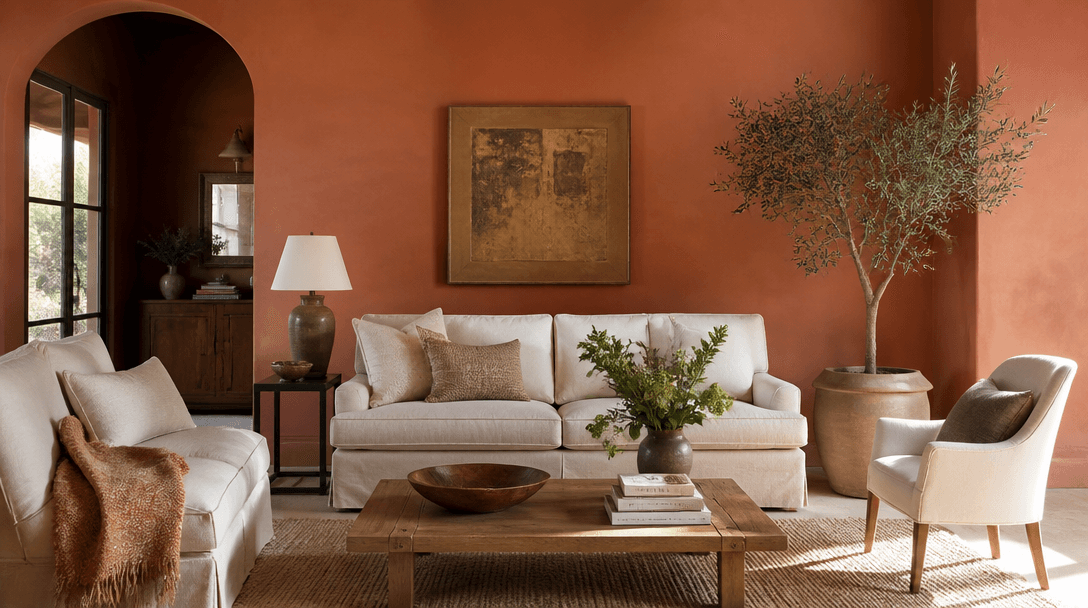
Purchasing affordable decor is only half the secret; how you arrange and style these items determines whether they look cheap or incredibly premium. One of the most powerful and cost-effective ways to elevate any 1BHK, 2BHK, or 3BHK apartment is through the strategic use of high-quality surface finishes. Instead of sticking with default builder-white walls, invest in a premium matte finish like Asian Paints Royale Luxury Emulsion. Painting your main living room wall in a rich, sophisticated hue, like warm taupe or muted sage green, creates a dramatic backdrop. Similarly, if you have a small balcony, adding a few durable, slip-resistant wood-finish tiles from Kajaria can transform a dusty concrete slab into a cozy outdoor nook without requiring a massive renovation budget.
Lighting is another critical element that can completely transform the atmosphere of your home without costing a fortune. Many Indian homes suffer from harsh, clinical overhead lighting from white fluorescent tube lights. To instantly create a warm, expensive hotel lobby feeling, swap these out for warm yellow LED bulbs with a color temperature of 2700K to 3000K. Instead of relying on a single overhead light, layer your lighting by placing affordable ceramic or brass table lamps from local markets in the corners of your rooms. Layered lighting creates beautiful shadows and highlights, making any small space feel cozy and sophisticated.
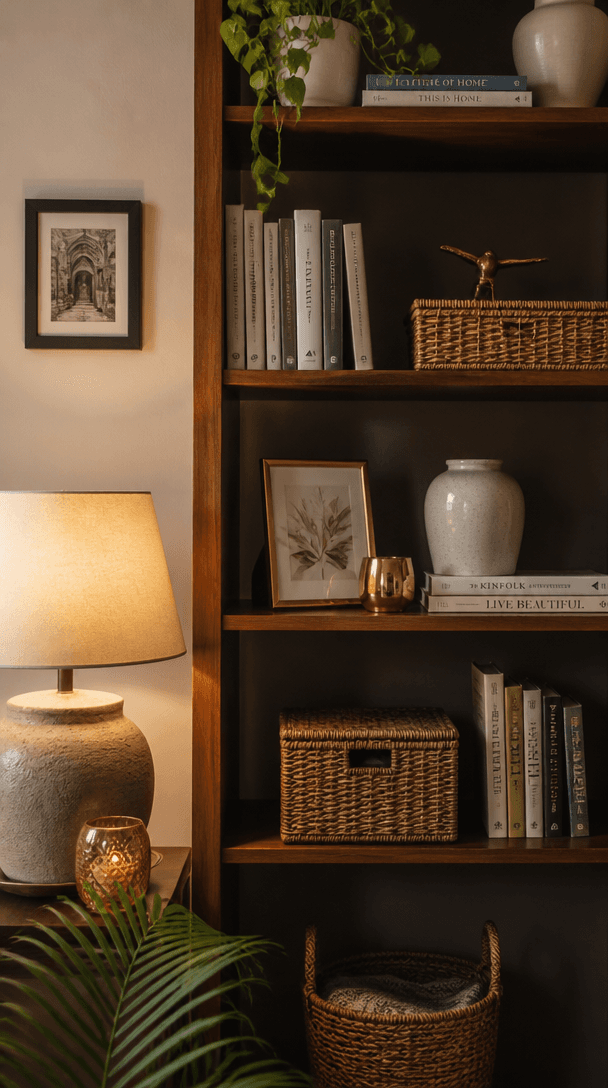
Never underestimate the incredible styling power of live green plants. Instead of spending thousands of rupees on artificial plastic plants that collect dust, visit a local government-run nursery. You can easily purchase beautiful indoor plants like Snake Plants, Areca Palms, and Monsteras for less than ₹100 each. Place these plants in simple, budget-friendly terracotta pots from your neighborhood potter, or slip them into inexpensive handwoven jute baskets. The natural textures of the green foliage and the woven baskets add organic warmth, fresh color, and a high-end designer vibe to empty corners.
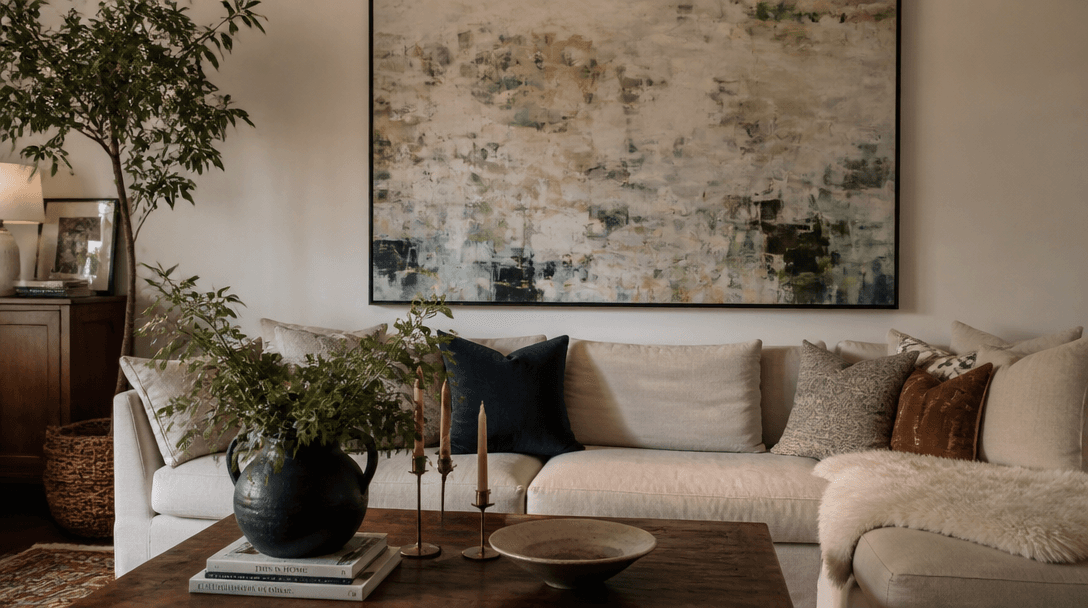
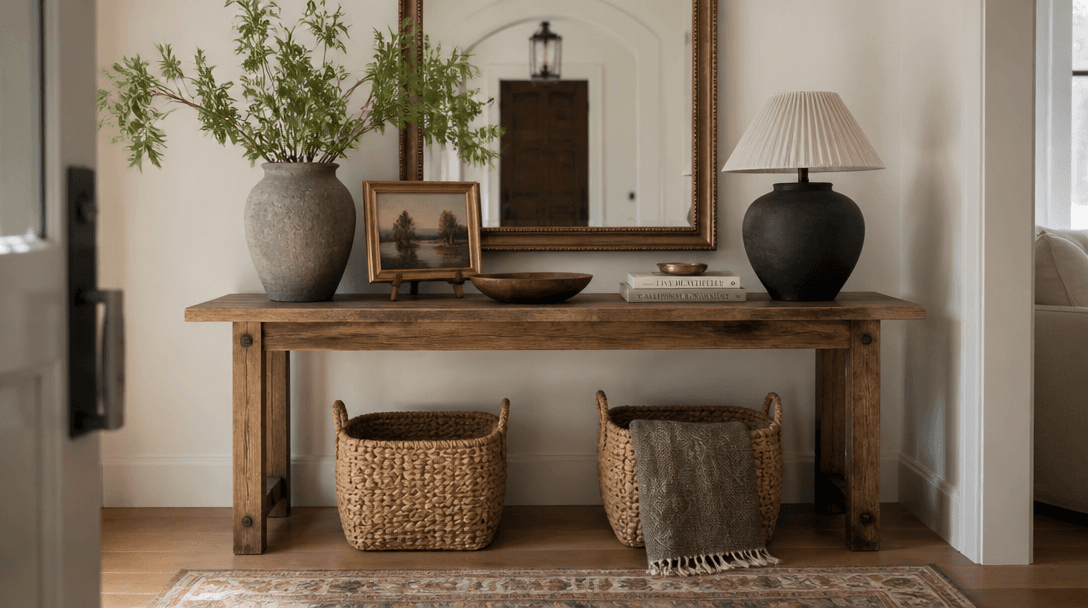
When it comes to arranging your decor accessories on bookshelves, coffee tables, or console tables, always remember that less is more. A very common mistake that makes homes look cluttered and cheap is overcrowding every available flat surface with small knick-knacks and souvenirs. Instead, embrace the designer-favorite 'rule of three': group items in odd numbers, combining a tall object (such as a brass candlestick or a tall vase), a wide object (like a stack of three hardback books), and an organic shape (like a small clay bowl or a piece of driftwood). This simple formula creates visual balance, guiding the eye smoothly across the space and looking highly intentional.
High-Impact Investments: Where to Spend and Where to Save
To successfully decorate your home on a budget, you must learn how to allocate your hard-earned money strategically. The general rule is to invest in touchpoints: the items you physically interact with every single day. For instance, do not compromise on the quality of your mattress or your primary seating. Investing in a highly durable, comfortable sofa from Godrej Interio or a supportive mattress from Sleepwell is absolutely worth it because these pieces directly impact your health, comfort, and well-being, and they will easily last you for a decade or more.
Save your money on the secondary decorative accents that surround these foundational furniture pieces. Instead of buying expensive custom-framed art, you can purchase beautiful digital art files online for a small fee, print them at a local professional copy shop, and slide them into budget-friendly frames from IKEA or your neighborhood framing workshop. Similarly, instead of investing in a high-maintenance designer rug, opt for a natural jute or coir rug. Jute is incredibly affordable, highly durable, handles heavy foot traffic and daily dust beautifully, and brings an instant, earthy elegance that looks fabulous under any coffee table.
Finally, remember to embrace patience as a vital part of your home decorating journey. A beautiful, expensive-looking home is not something that can be created overnight or ordered in a single shipment. It is a space that is thoughtfully curated over time, piece by piece, as you travel, explore local markets, and stumble upon unique items that speak to your soul. By blending smart online shopping, local market exploration, and a focus on natural materials, you can easily create a warm, inviting, and luxurious home that reflects your unique personality without ever straining your budget.