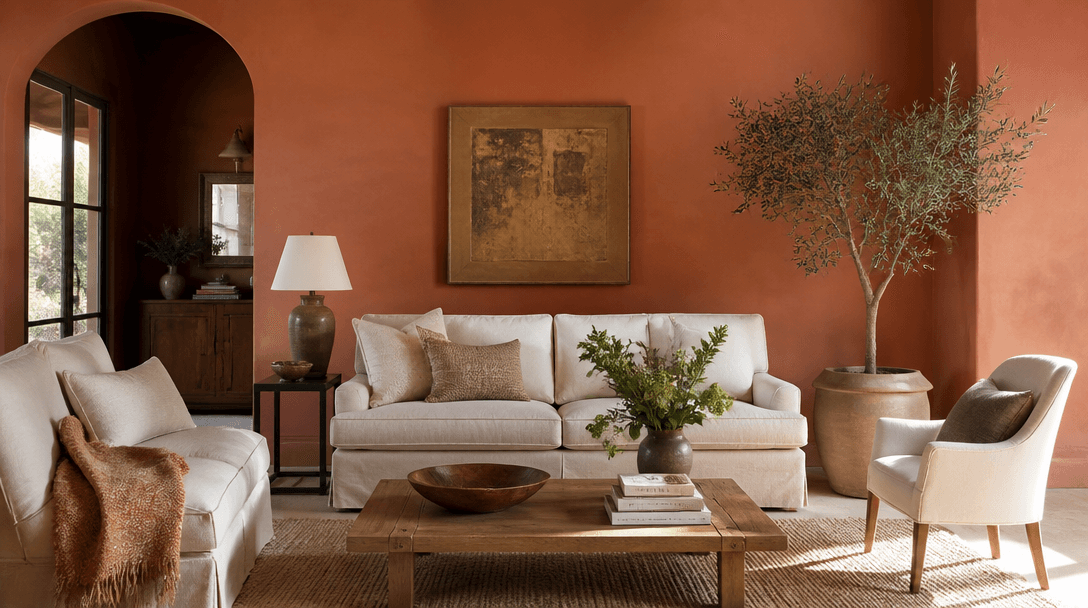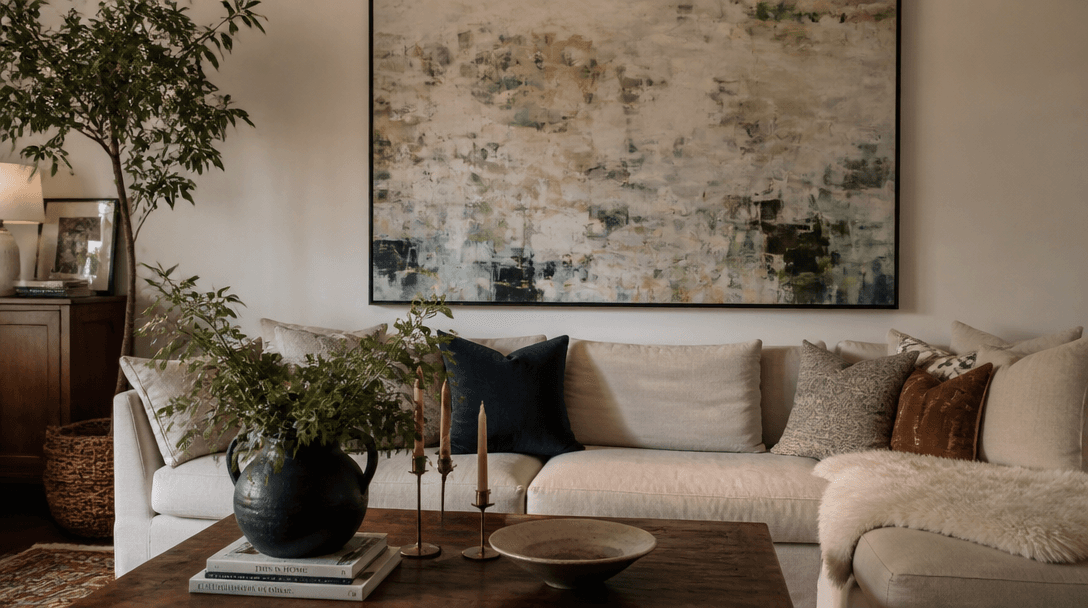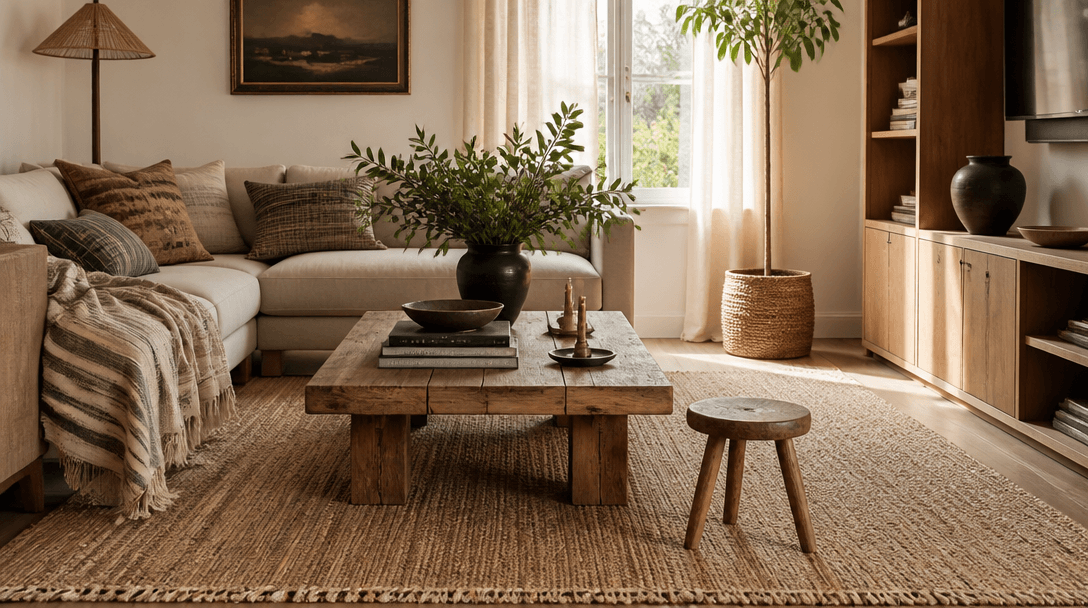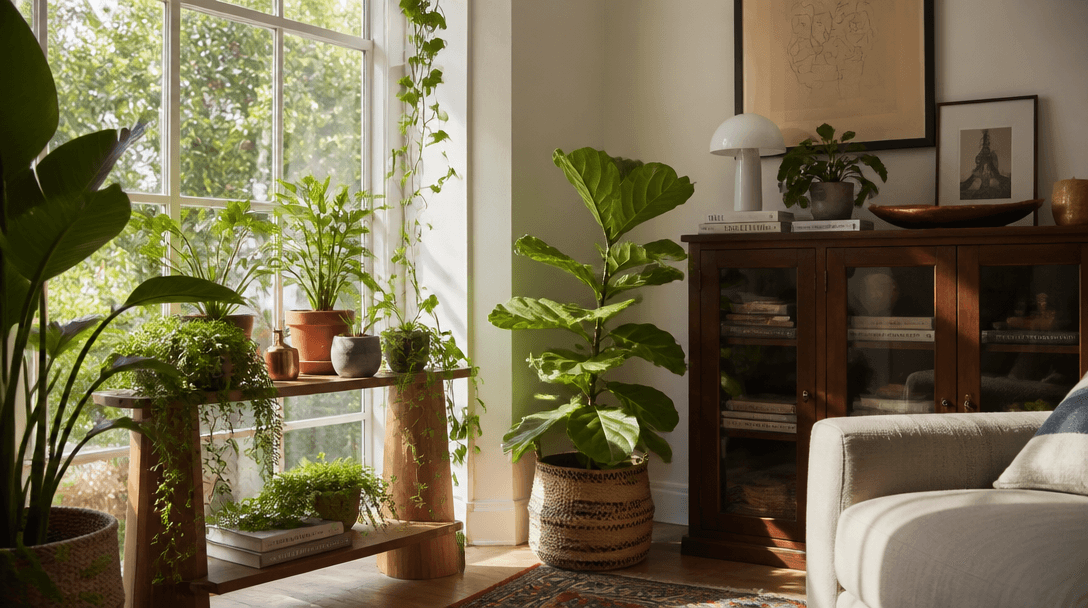
Welcome to Trenvor. We all know the feeling of looking at a room and thinking it lacks something. It is clean, the furniture is in place, maybe you have even got a nice rug, but it feels sterile, flat, and uninviting. You do not need to drop fifty thousand rupees on a new accent chair or repaint your walls with premium finishes to fix this. The simplest, most budget-friendly solution to breathe instant life into any room is living greenery. Plants add movement, texture, and organic shapes that structured furniture simply cannot replicate.
Whether you are living in a compact 1BHK in Mumbai, a breezy 3BHK in Bengaluru, or a rented apartment with strict landlord rules about drilling holes into the walls, plants are your ultimate decorating allies. They soften hard edges, hide awkward corners, and mask the monotony of neutral builder-grade walls. In this detailed guide, we will walk you through practical, low-cost ways to transform your living spaces using plants, without turning your home into an unmanageable jungle or breaking your monthly budget.
Why Plants are the Ultimate Budget Decor Tool for Indian Homes
Decorating a home in India often comes with unique structural and financial constraints. If you are renting, you cannot easily change the Kajaria floor tiles or strip down the laminate on your kitchen cabinets. Even if you own your home, budget overruns on basic woodwork and paint like Asian Paints often leave very little room for decorative items. This is where plants step in as the ultimate interior design hack. A decent ceramic vase can cost upwards of twelve hundred rupees, whereas a healthy, air-purifying Snake Plant or a lush Pothos from your local roadside nursery will cost you anywhere between fifty and two hundred and fifty rupees.
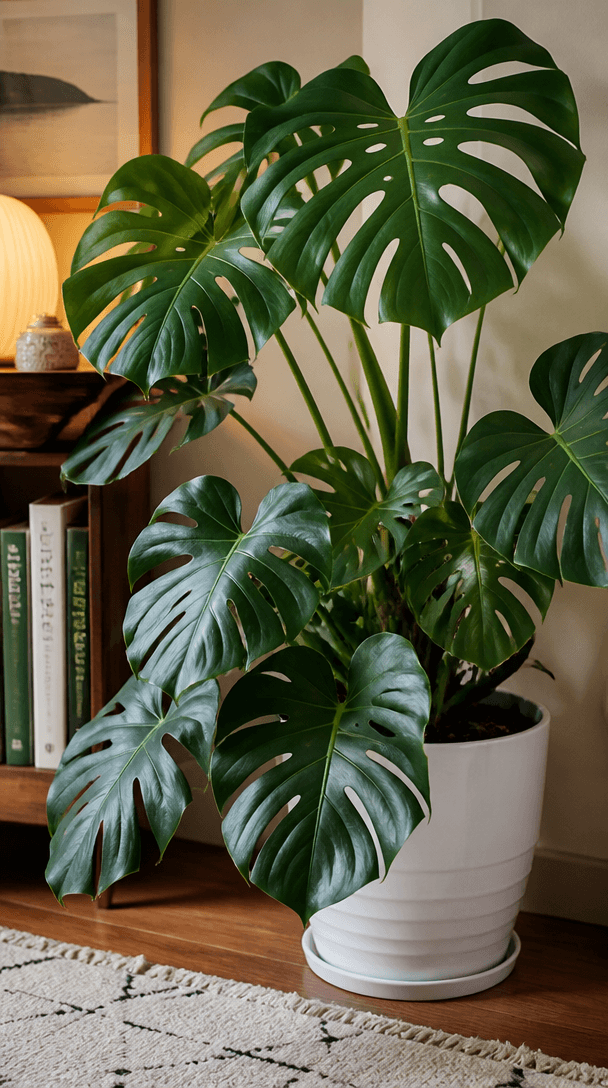
Moreover, plants possess a unique design quality that interior decorators call visual softness. Most modern Indian furniture, from sleek Godrej Interio wardrobes to geometric TV consoles, consists of sharp, straight lines and hard surfaces. Adding plants introduces organic, unpredictable shapes and varying shades of green that break this visual monotony. A cascading money plant draped over a refrigerator or a tall Areca Palm placed next to your sofa immediately draws the eye, making the entire room feel warmer, more relaxed, and deeply personal.
Assessing Your Space, Light, and Local Constraints
Before you rush to the nearest nursery and buy every beautiful green leaf in sight, you must assess the light conditions of your specific room. This is the single most common mistake beginner plant parents make. Indian apartments, especially mid-rise 2BHK and 3BHK complexes, often have deep layouts where natural light does not penetrate fully into the central living areas or dark entryways. Walk through your home at different times of the day, including morning, noon, and late afternoon, to identify where the light actually hits.
Note down your light zones. South and west-facing windows get intense, hot sunlight that can easily scorch delicate leaves, while north and east-facing windows provide gentler, indirect light. If you have a dark corner near your dining table or in a compact washroom, do not place a light-loving plant there hoping it will adapt. Additionally, consider local environmental factors like city dust and seasonal changes. In cities like Delhi, Mumbai, or Bengaluru, dust accumulates rapidly on leaves, blocking sunlight and hindering photosynthesis. Similarly, the intense humidity of the Indian monsoon requires a different watering rhythm compared to the dry, dusty winter months.
Resilient and Budget-Friendly Plants for Indian Homes
To make your budget decorating journey successful, you should start with plants that are notoriously hard to kill. You do not want to spend money on delicate exotic species that wither away within a week. Let us look at four highly resilient, budget-friendly plants that are perfect for Indian households, along with their typical price ranges and styling tips.
The Versatile Money Plant (Pothos)
The humble Money Plant is an absolute staple in Indian homes, and for good reason. It is incredibly affordable, usually costing between ₹50 and ₹150 depending on the size. Pothos can survive in low light, tolerate irregular watering, and can be grown in either soil or plain water. To style it on a budget, you do not even need to buy new pots. You can propagate cuttings in empty, washed glass jars of classic Indian pantry items like Kissan jam or honey. Place these jars on your kitchen windowsill or on a floating shelf to add an instant splash of green.
The Indestructible Snake Plant
If you are looking for a plant for your bedroom, the Snake Plant is your best choice. It is highly efficient at converting carbon dioxide into oxygen at night, making it a great companion next to your Sleepwell mattress. Snake plants have upright, sword-like leaves that add excellent structural height to a room. They can easily survive in dark corners with minimal watering, meaning once every two weeks is usually enough. A medium-sized Snake Plant in a basic plastic pot costs around ₹150 to ₹300 at local nurseries. You can dress it up by placing the plastic pot inside a woven cotton basket that costs around ₹300 online.
The Elegant ZZ Plant
The ZZ plant looks like a living sculpture with its glossy, deep green leaves that reflect light beautifully. It looks incredibly premium and is often used by professional interior designers to style high-end apartments. Despite its luxury appearance, a starter ZZ plant costs only about ₹200 to ₹350. It thrives in low-to-medium indirect light and actually prefers dry soil, meaning you can forget to water it for three weeks and it will still look perfectly healthy. Place a ZZ plant on your study desk or next to your entry console to create a sophisticated, welcoming vibe.
The Lush Areca Palm
If you have an empty, awkward corner in your living room next to your balcony door or your TV unit, a tall Areca Palm is the perfect solution. It features feathery, arching fronds that create a tropical, breezy atmosphere. Areca Palms prefer bright, indirect light and need moderate watering. A large, five-foot-tall palm will cost you around ₹300 to ₹500, which is incredibly cheap compared to any artificial decor item of the same scale. The soft texture of the palm leaves contrasts beautifully with flat, painted walls, instantly making the room feel like a high-end resort.
Creative Styling Ideas for Compact Layouts
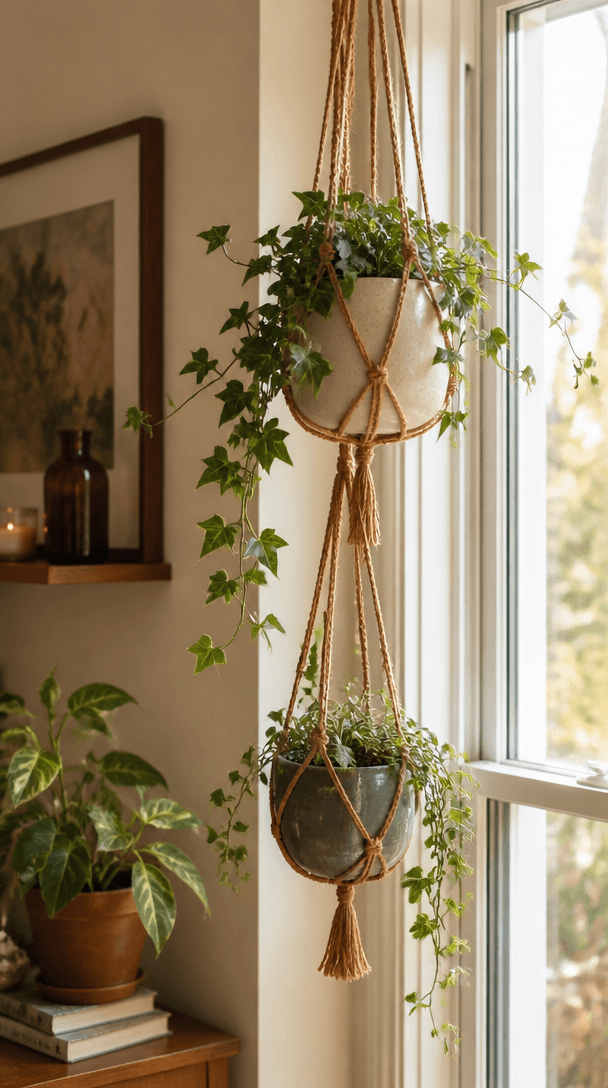
In compact 1BHK and 2BHK apartments, floor space is premium real estate. You cannot afford to clutter your walking paths with large pots. Therefore, you need to think vertically. Hanging planters are an excellent way to introduce greenery without taking up an inch of floor space. If you are renting and your landlord does not allow drilling into the ceiling, you can purchase a tension shower rod for around ₹400, secure it between two walls in your utility area or balcony, and hang lightweight plastic pots from it using S-hooks. This creates a floating green wall that looks modern and costs very little.
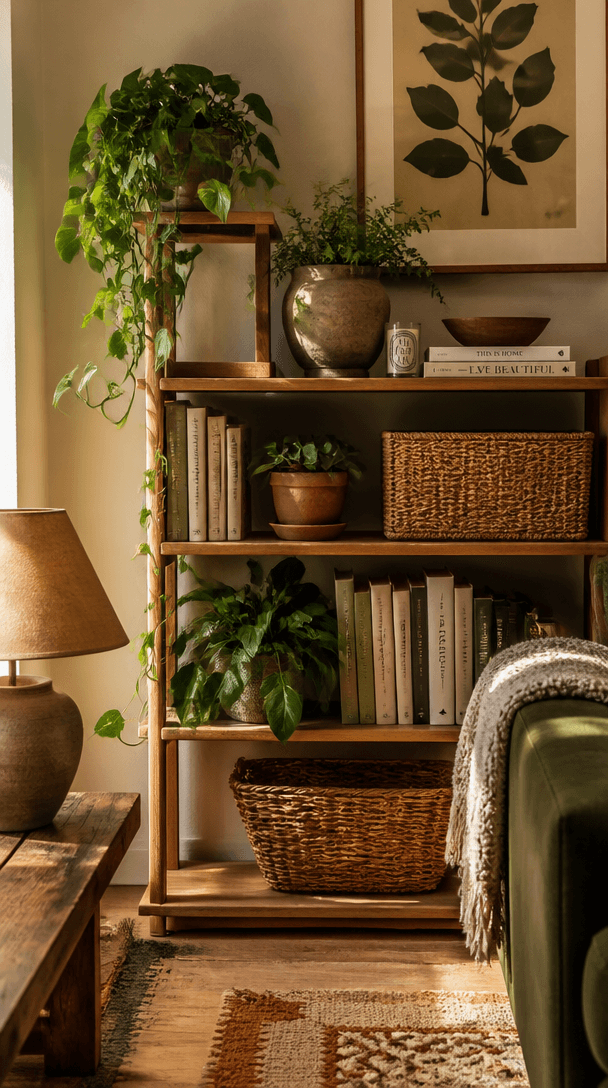
Another great styling technique is grouping plants in odd numbers, such as clusters of three. Placing a single, lonely pot in a corner can sometimes look accidental and sparse. Instead, create a small green vignette by grouping three plants of different heights and leaf textures. For example, place your tall Areca Palm on the floor, a medium-sized ZZ plant on a small wooden stool next to it, and a trailing Money Plant on the edge of your TV unit. This staggered height layout creates a visually dynamic corner that feels curated and intentional rather than cluttered.
Do not overlook your kitchen and bathroom either. Kitchen counters often feel sterile with their steel appliances and granite countertops. Placing a small herb pot of mint or coriander near the window adds life and utility. In the bathroom, the high humidity from your daily hot showers creates a perfect microclimate for moisture-loving plants like Boston Ferns or Spider Plants. Place them on top of your bathroom cabinet or hang them from a towel rack to create a soothing, spa-like atmosphere.
A Step-by-Step Guide to a ₹1,500 Living Room Green Makeover
Let us put these ideas into a practical, step-by-step plan. If you have a budget of exactly ₹1,500, here is how you can completely transform a dull living room corner. First, visit your local roadside nursery instead of an expensive air-conditioned garden boutique. Roadside nurseries have significantly lower overhead costs, and you can easily negotiate the prices, especially if you buy multiple items at once.
Your shopping list should look like this. One large Areca Palm for ₹350, one medium Snake Plant for ₹200, one trailing Money Plant for ₹100, and three basic terracotta pots with drainage saucers for ₹250 total. Terracotta is highly recommended because it is porous, allowing the soil to breathe and preventing root rot, which is crucial for plant health. This leaves you with ₹600. Use ₹350 of this remainder to buy a beautiful woven jute basket online to house your Snake Plant, and spend the remaining ₹250 on a simple, elevated wooden plant stand for your Areca Palm.
Once you bring your plants home, wipe the leaves of your new plants gently with a damp cloth to remove nursery dust. Repot them into your terracotta pots using a well-draining soil mix of local garden soil, coco peat, and organic compost. Arrange your new green corner near your living room window. Put the tall Areca Palm on the wooden stand to give it extra height, place the Snake Plant in its rustic jute basket next to it, and let the Money Plant drape elegantly from the edge of your side table. This entire setup costs less than a single meal at a restaurant, but it completely changes the energy of your room.
Maintenance Tips for Busy Indian Lifestyles
The biggest fear most people have is that their plants will die, leaving them with dry, brown leaves and empty pots. However, maintaining indoor plants in India is simple once you establish a basic routine. The most critical rule is to avoid overwatering. More indoor plants die from excess love and overwatering than neglect. Always check the top two inches of soil with your finger before watering. If the soil feels dry and crumbly, water the plant thoroughly until water drains out of the bottom hole. If the soil feels damp, leave it alone.
Dust management is another crucial factor for Indian homes, where open windows let in a constant stream of street dust. Heavy dust buildup on leaves prevents them from absorbing sunlight and breathing. Make it a habit to wipe your plant leaves with a soft, damp microfiber cloth once every two weeks. For plants with smaller leaves, like the Money Plant, you can take them to your bathroom shower once a month and give them a gentle rinse with cool water. This not only cleans them but also mimics a refreshing monsoon rain, which encourages new leaf growth.
Lastly, pay attention to seasonal shifts. During the hot Indian summer, your plants will dry out much faster and may need watering every two to three days. During the monsoon, when the air is thick with humidity, watering frequency will drop significantly. Keep an eye out for pests like mealybugs, which are small white cotton-like spots, during the humid months. If you spot them, do not panic. Simply spray the affected leaves with a diluted solution of neem oil and liquid dish soap, which is a highly effective, non-toxic remedy that costs very little.
Final Thoughts on Creating a Living Home
Decorating your home should not feel like an expensive, stressful chore. It is about creating a space that feels comfortable, restorative, and uniquely yours. Plants offer a gentle, forgiving, and incredibly budget-friendly way to achieve this. They grow, change, and respond to your care, bringing a sense of dynamic energy into static rooms. Whether you start with a single, resilient Money Plant in a recycled glass jar on your kitchen counter, or go all out with a styled green corner in your living room, you will immediately notice the difference. Your home will feel softer, fresher, and undeniably more alive.