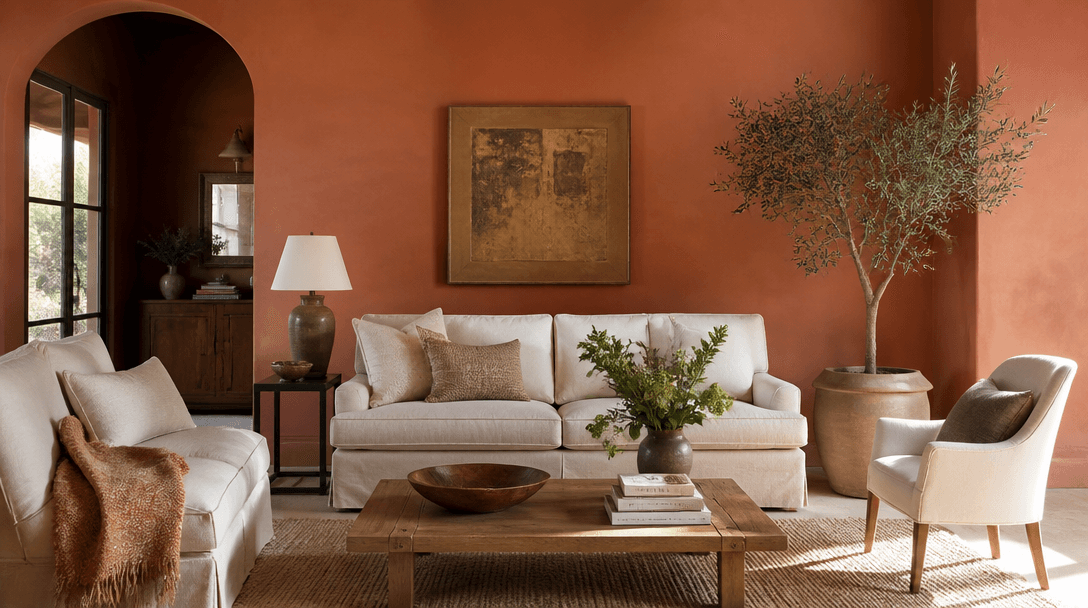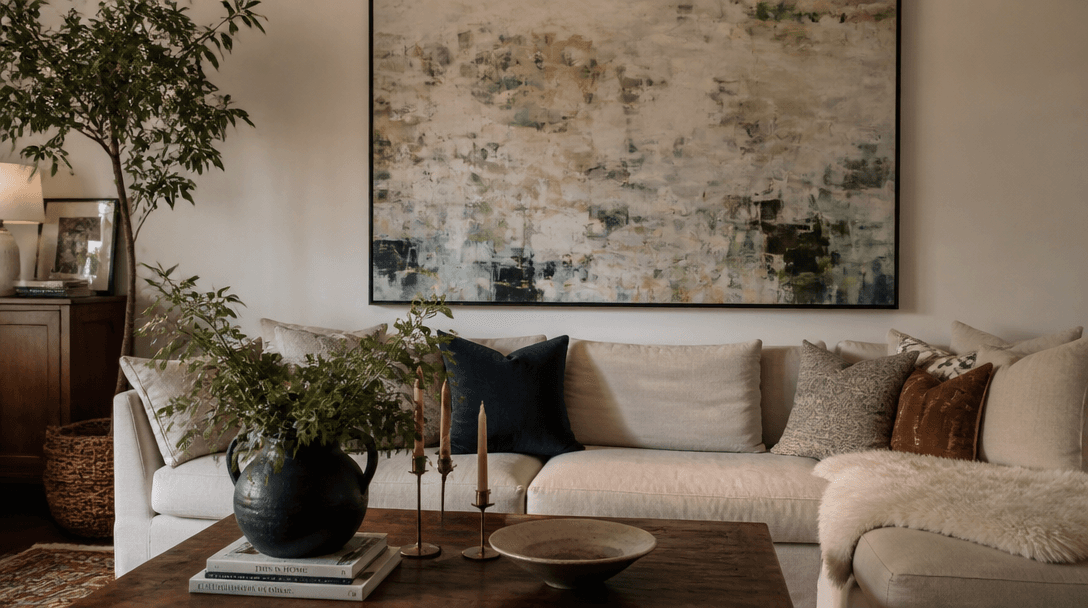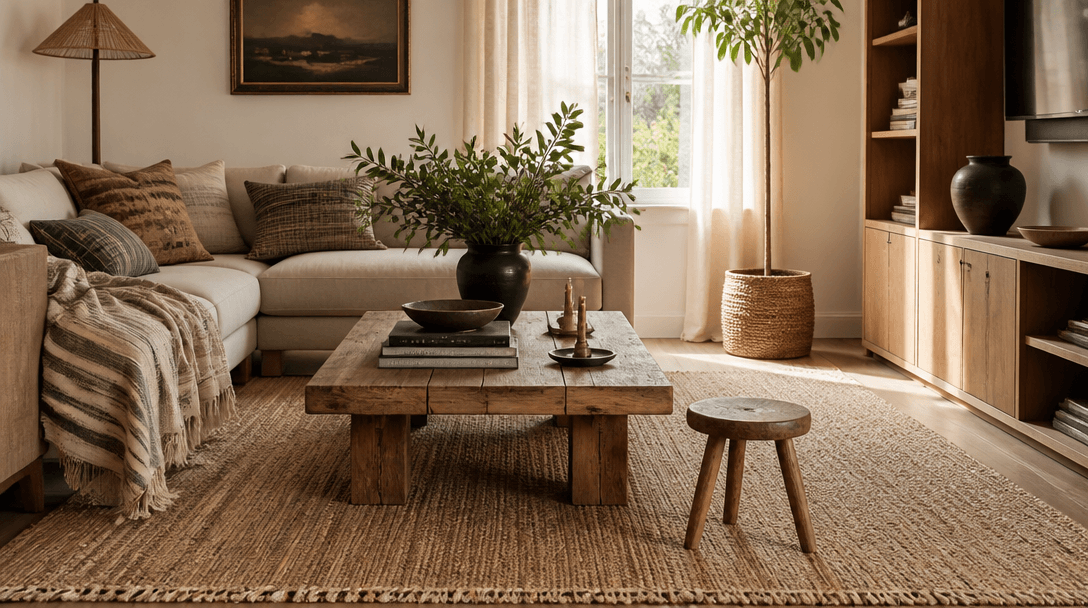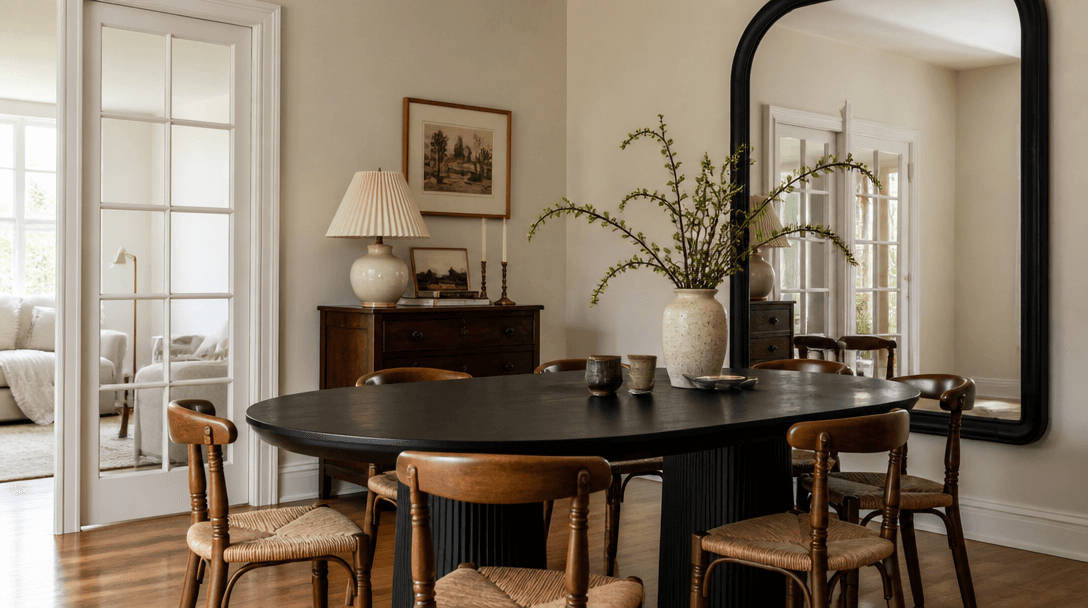
You look at your living room and feel a familiar sense of confusion. On one side stands a heavy teak wood cabinet passed down from your grandparents, displaying a rich history in its deep grain. On the other side sits a sleek, flat-pack modern TV console you recently bought online during a festive sale. Together, they look like they are actively fighting for dominance, making your home feel chaotic rather than curated. This is a common design dilemma in modern Indian households, where we often transition from spacious family homes to compact 1BHK or 2BHK apartments in cities like Mumbai, Bengaluru, Pune, or Delhi NCR, trying to make our cherished heritage fit into contemporary, tight spaces.
It is easy to look at glossy interior design catalogs and think the only solution is to throw everything out and start completely fresh. But that is neither practical nor friendly to your monthly savings. Buying an entire matching furniture set from a showroom might seem like an easy fix, but it often ends up looking sterile, devoid of character, and quite expensive. Your home can easily end up looking like a generic hotel room instead of a warm, inviting personal sanctuary. Budget decorating is not about sacrificing style; it is about celebrating the unique character of what you already own. When you master the art of blending vintage pieces with modern elements, you create a space that feels beautifully layered, interesting, and deeply personal.
The secret lies in understanding that old and new furniture do not need to match perfectly to look beautiful together. In fact, some of the most stunning homes in India are those that masterfully combine a rustic, centuries-old wooden chest with sleek, contemporary seating. By using a few simple interior design principles, you can easily bridge the gap between different eras, materials, finishes, and design styles without spending a fortune. Let us explore exactly how you can transform your living space into a harmonious, high-quality blend of past and present, tailored specifically to the unique layout constraints, budget limits, and climatic beauties of Indian homes.
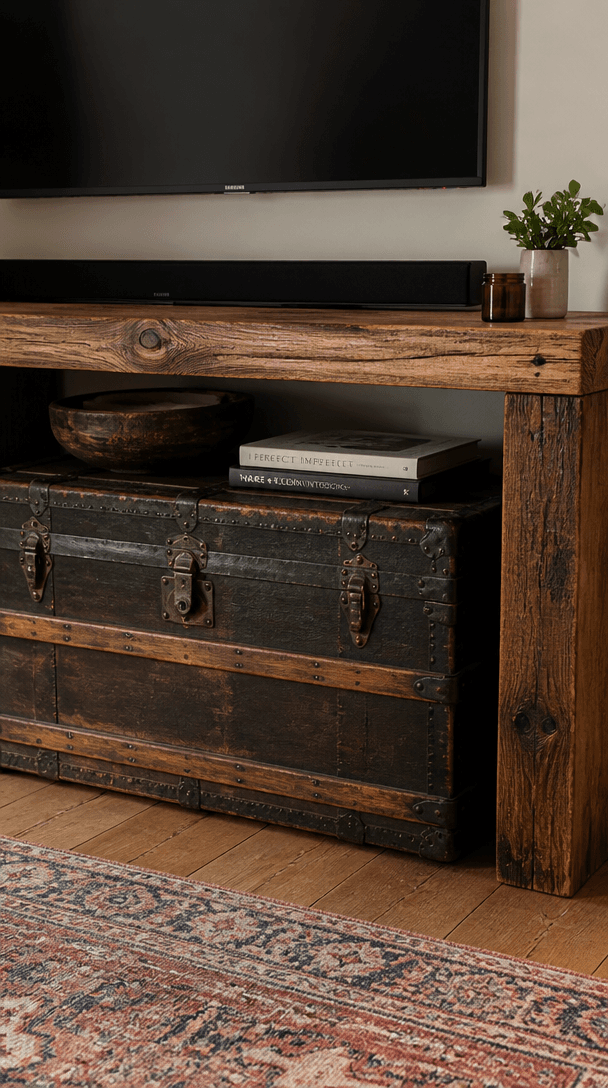
1. The 80-20 Rule for Balanced Spaces
When you are mixing different furniture styles, the most important rule to keep in mind is the 80-20 rule. This simple guideline suggests that about 80 percent of your room should be decorated in one dominant style, while the remaining 20 percent should feature your secondary style. In most modern Indian apartments, especially compact 1BHK and 2BHK layouts, it is usually practical to make the dominant 80 percent contemporary or modern. Modern furniture is often designed with smart storage, compact footprints, and clean lines that make smaller spaces feel larger and airier. This dominant base ensures that your room remains highly functional for daily life, easy to clean during dusty dry seasons, and adaptable to rental house rules where you cannot make permanent structural changes.
Once you have your dominant style established, you can use the remaining 20 percent to introduce your vintage, antique, or traditional pieces as beautiful, high-impact focal points. For instance, in a living room filled with clean-lined modern sofas and a simple neutral rug, a single beautifully carved, heavy rosewood swing or a vintage chest of drawers becomes an instant conversation starter. This approach ensures your room feels cohesive because there is a clear design direction, rather than an equal tug-of-war between two competing styles. It also prevents the space from feeling too heavy or cluttered, which is especially important during hot, humid Indian summers when light and air circulation are essential. By keeping the vintage pieces limited to a few star items, you let their unique craftsmanship shine without overwhelming the senses.
2. Establish a Unifying Color Palette
Color is the most powerful and budget-friendly tool you have to unite disparate pieces of furniture. If your furniture pieces come from different eras, they will likely have different wood finishes, fabrics, and textures. You can bring them into harmony by using a consistent color story throughout the room. Start by choosing a neutral background. Painting your walls with a high-quality, washable emulsion like Asian Paints Royale Luxury Emulsion in a warm off-white, soft cream, or light beige creates a clean, uniform backdrop that allows both old and new pieces to stand out without competing with the walls. This is also a smart strategy for rentals, as neutral walls are easy to maintain and make spaces look considerably larger.
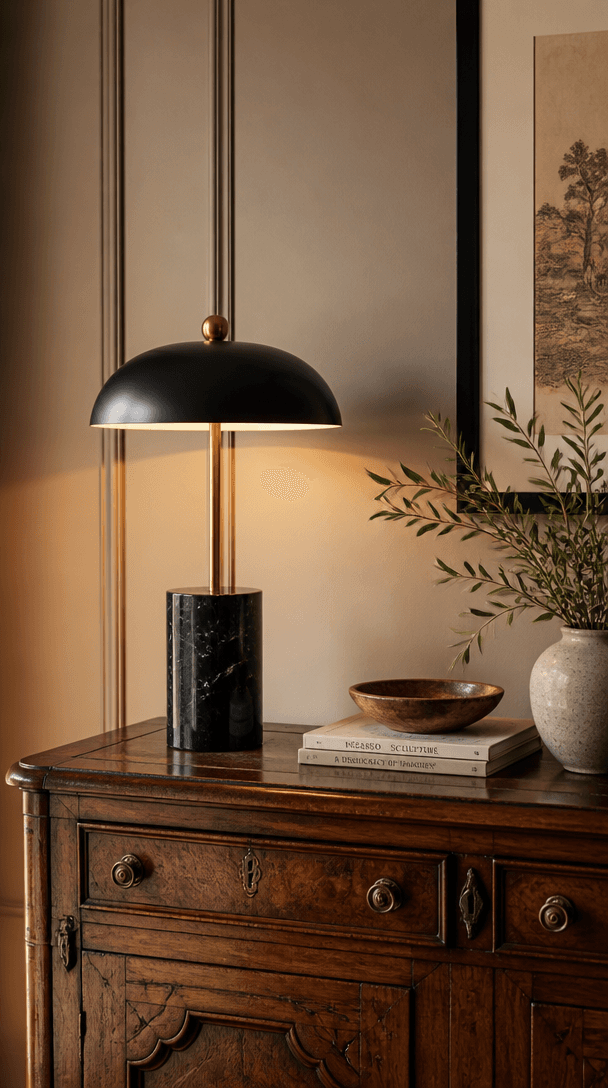
Next, choose a palette of three to four colors for your accessories, upholstery, and decor, and repeat these colors across both old and new pieces. If you have an old vintage wooden armchair, you can give it a fresh look by reupholstering it in a fabric that matches the color of your modern sofa cushions. Alternatively, you can use budget-friendly paint to physically alter a mismatched piece. A coat of premium satin enamel paint on a vintage wooden side table can instantly modernise it, allowing it to sit happily next to a sleek new bed frame from Godrej Interio. By wrapping different elements in the same color family, your eyes perceive them as a unified group rather than random, disconnected objects.
3. Master the Mix of Wood Tones and Materials
One of the biggest fears people have when decorating is mixing different types of wood. You might wonder if your dark sheesham wood coffee table can coexist with a light oak laminate TV unit. The short answer is yes, absolutely. The trick to mixing wood tones successfully is to pay attention to their undertones. Woods generally fall into warm, cool, or neutral categories. Teak, mahogany, mango, and sheesham have warm, reddish, or golden undertones, whereas ash, maple, and certain modern engineered woods have cooler, greyish or neutral undertones. Try to keep the dominant undertones consistent across your major pieces, even if the darkness or grain patterns of the wood vary significantly.
If you do have contrasting wood tones that look too harsh next to each other, you can soften the transition by introducing other materials. Metal, glass, and natural fibers are excellent bridge materials. For example, placing a clear glass-topped modern metal coffee table between a heavy vintage wooden cabinet and a contemporary sofa helps break up the heavy expanse of wood. Additionally, incorporating natural Indian textures like cane, jute, and linen can tie different eras together beautifully. A simple jute rug on your tiled floor, perhaps laid over durable Kajaria floor tiles, acts as a rustic, neutral base that unites old-world charm with modern minimalism, while also being incredibly easy to vacuum.
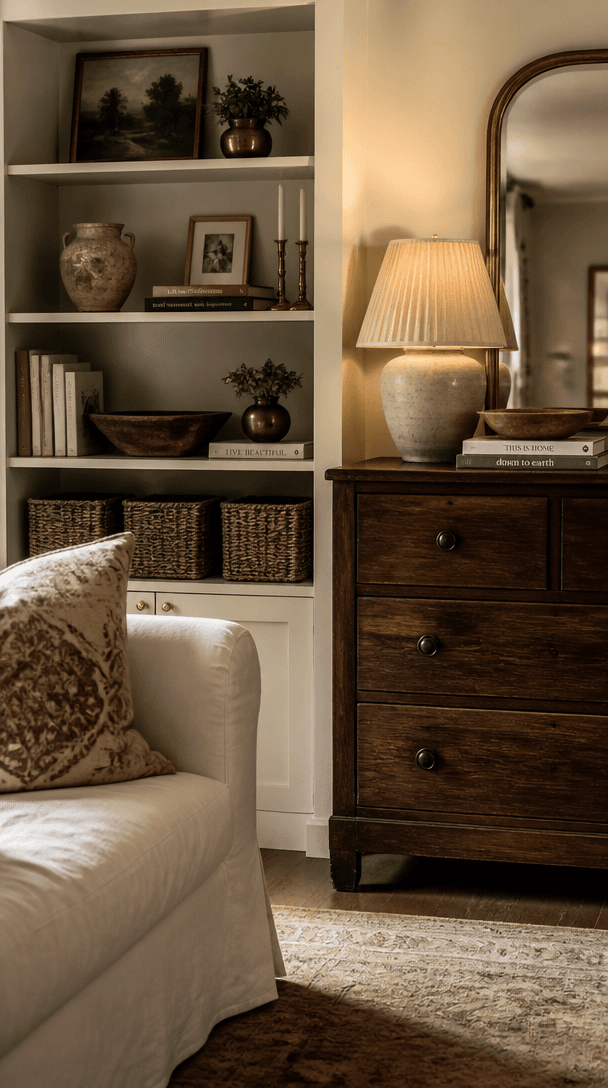
4. Pay Attention to Scale and Visual Weight
A room looks mismatched not because the furniture is from different eras, but because the scale and visual weight of the pieces are unbalanced. Visual weight refers to how heavy an object looks to our eyes, regardless of its actual weight. Traditional Indian furniture, which is often crafted from solid wood with intricate carvings and bulky, solid bases, has a massive visual weight. If you place all your heavy antique pieces on one side of a 3BHK living room and all your lightweight, modern metal-and-glass pieces on the other, the room will feel lopsided, like a boat listing to one side. This causes visual discomfort and makes the layout feel cramped and uncoordinated.
To avoid this, distribute the visual weight evenly across the entire room. If you have a large, heavy dark wood wardrobe, balance it by placing a substantial piece of modern upholstery or a large framed artwork on the opposite wall. You should also mix the profiles of your furniture. If your modern sofa sits low and flat on the ground with no visible legs, pair it with an antique side table that has elegant, slender legs. This contrast allows light to pass through the room under the furniture, preventing your space from feeling dark, heavy, and dusty, which is a major daily concern in dust-heavy Indian urban environments.
5. Budget Upgrades to Bridge the Design Gap
You do not need to spend tens of thousands of rupees to make your furniture look cohesive. Sometimes, small, highly affordable modifications can completely transform how a piece of furniture fits into your overall design scheme. One of the easiest budget hacks is to replace the hardware on your old furniture. If you have a vintage wooden dresser or a storage cabinet with outdated, mismatched plastic or rusty metal handles, head to your local hardware market. You can find beautiful brass or sleek black metal knobs for as little as ₹150 to ₹300 each. Swapping these in can instantly modernise an old piece or add a vintage touch to a cheap, flat-pack modern cabinet, bridging the two eras effortlessly.
Another highly effective budget upgrade is focusing on upholstery and cushioning. Old, saggy cushions on an inherited wooden sofa frame not only look unappealing but are also highly uncomfortable. You can easily breathe new life into these frames by ordering custom-cut high-density foam cushions from trusted local brands like Sleepwell. Wrap them in durable, stain-resistant, and dust-resistant fabrics. In India, where monsoons bring high humidity and dry months bring endless dust, choosing washable cushion covers in cotton-linen blends is a highly practical choice. This small investment, which can easily be done for under ₹5000, will make your vintage seating feel as luxurious, fresh, and comfortable as any high-end modern sofa.
6. Real-World Styling Scenarios for Indian Homes
To see how these principles work in practice, let us look at a couple of common scenarios you might face in your own home. Imagine you are decorating a typical 2BHK living room on a modest budget of ₹15,000. You have a brand new, clean-lined grey fabric sofa, but you also have a chunky, dark wood antique cabinet that you must use for storage. Instead of pushing the cabinet into a dark corner, make it a deliberate focal point. Paint the wall behind it in a soft, welcoming accent shade like light olive green or warm beige using budget-friendly paint. Place your modern grey sofa opposite it, and bridge the two styles by placing a modern brass floor lamp next to the sofa and a vintage brass tray on your modern coffee table to create a cohesive metallic connection.
In the bedroom, you might have a modern, sleek hydraulic bed with built-in storage from Godrej Interio, but you want to incorporate your mother's beloved old wooden vanity table. To make them look like they belong in the same room, avoid matching the wood finishes artificially, which often looks cheap and forced. Instead, focus on the styling. Place a modern, minimalist frameless mirror above the old vanity table to clean up its lines. On the modern bed, use traditional handloom block-print bedsheets. This simple addition of traditional Indian textiles on the modern bed instantly creates a dialogue between the old vanity and the new bed, making the entire room feel intentionally designed, deeply cozy, and culturally rich.
7. Mistakes to Avoid When Blending Eras
As you embark on your decorating journey, there are a few common pitfalls you should actively avoid to keep your home looking sophisticated. The first is the themed room trap. Avoid trying to make a room look entirely vintage or entirely futuristic. When you commit too heavily to a single theme, you lose the natural, lived-in charm that makes a mixed-era home so appealing. Instead of a museum or a commercial furniture showroom, your home should feel like an organic collection of items you have loved and acquired over time. Let your home grow naturally, allowing pieces from different chapters of your life to find their place together.
The second mistake is ignoring the importance of lighting. Lighting is the invisible thread that ties a room together. In many Indian homes, we rely heavily on harsh, cool white overhead tube lights, which can make different wood tones and furniture styles look cold, clinical, and completely mismatched. Instead, introduce layered lighting with warm yellow or warm white LED bulbs (around 2700K to 3000K). Use a combination of floor lamps, table lamps, and wall sconces to cast soft shadows and highlight the beautiful textures of your wooden antique pieces while softening the sharp edges of your modern furniture. This instantly cozy atmosphere binds your different furniture styles into a single warm embrace.
Your Home is a Story, Not a Showroom
At the end of the day, the most beautiful homes are not those that look like they were styled for a luxury magazine in a single afternoon. The most beautiful homes are those that tell a story of who you are, where you have been, and what you love. Mixing old, sentimental furniture with new, practical pieces is the ultimate way to tell that story while staying firmly within your budget. By using color to unify, balancing the visual weight of your pieces, making small, affordable upgrades, and paying attention to scale, you can create a space that is both highly functional and deeply soul-stirring. Go ahead, embrace the beautiful mix, and enjoy the process of crafting a home that is uniquely, wonderfully yours.