Welcome to Trenvor, your cozy corner for all things home and design. If you have recently moved into a studio apartment in India, congratulations. Whether it is a compact 350-square-foot space in Mumbai or a modern layout in Bangalore, renting or owning a studio is a major milestone. But let us be honest: living, sleeping, cooking, and working in a single, open room can quickly feel chaotic. Within a week, you might find yourself staring at your unmade bed while trying to focus on a work call, or smelling curry on your bedsheets after cooking. The dream of minimalist living can easily turn into a cluttered, disorganized reality if you do not have a clear plan for your space.
The secret to thriving in a studio apartment lies in a concept called zoning. You do not need to build permanent walls to achieve this. In fact, doing so would shrink your home, block natural light, and cost you a fortune in security deposit deductions if you are renting. Instead, we want to create smart, flexible, and visually distinct living zones using creative furniture placement, color psychology, and clever decor hacks. In this guide, we will walk you through how to divide your studio into a proper living room, a restful bedroom, a productive workspace, and a functional dining area, all while keeping your budget and Indian household realities in mind.
The Philosophy of Zoning: Why Boundaries Matter
Before we talk about moving furniture, let us understand why zoning is so important for your mental well-being. When you live in a multi-room house, like a standard 2BHK or 3BHK, your brain automatically associates different rooms with different activities. Your bedroom signals rest, your home office signals focus, and your living room signals relaxation. In an undivided studio apartment, those psychological lines become blurred. You might find yourself working from your bed, which can lead to sleep issues, or eating dinner on the sofa, which can lead to bad posture. Creating clear boundaries helps your brain switch gears as you move from one part of the room to another.
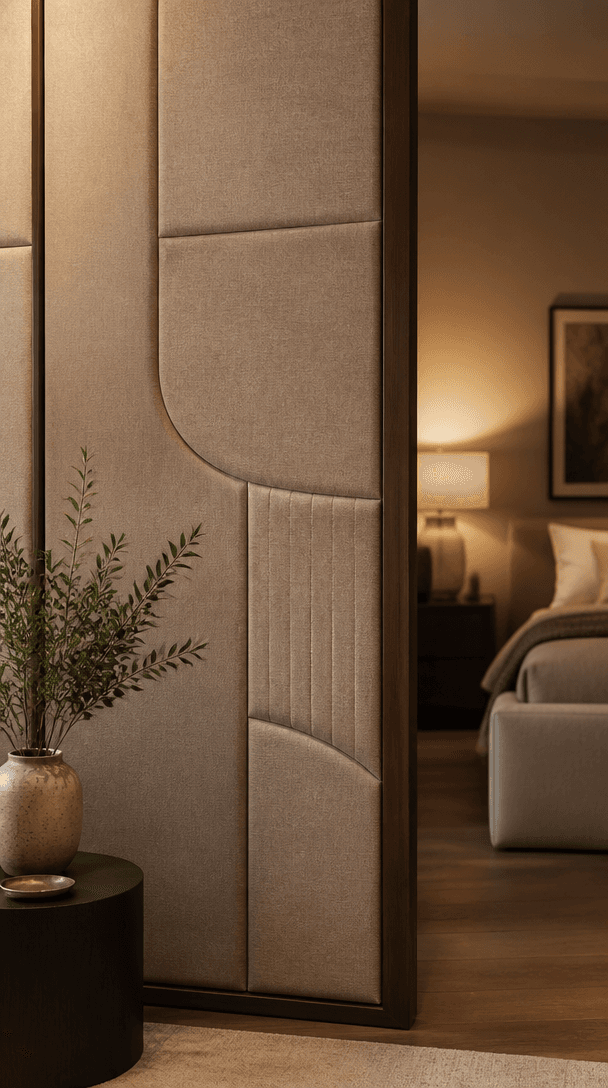
In India, our homes also have unique cultural and environmental factors to consider. We love cooking aromatic, spice-heavy meals, which means kitchen smells can easily travel to our sleeping quarters. We also deal with intense summer heat, high monsoon humidity, and a constant battle against outdoor dust settling on our surfaces. Furthermore, if you are renting, your landlord likely has strict rules against drilling into walls or making permanent structural alterations. Therefore, our zoning solutions need to be non-damaging, easy to clean, highly ventilated, and flexible enough to pack up and move with you. Let us dive into how you can make this work effortlessly.
Step 1: Map Your Daily Routine and Priorities
The first mistake many studio dwellers make is copying a layout they saw on Instagram or Pinterest without considering how they actually live. Every square foot in a compact apartment is premium real estate, so you must customize your space to match your daily habits. Start by writing down your daily routine. Do you work from home five days a week, or do you commute to an office? Do you love hosting friends for movie nights, or are you a private person who prefers quiet weekends? Do you cook elaborate meals every day, or do you mostly order in or keep your cooking simple?
If you work from home, a dedicated workspace with a proper desk and ergonomic chair is a non-negotiable priority that deserves its own quiet corner. If you love hosting, you should allocate more space to a comfortable seating area with modular nesting tables. Once you identify your top priorities, draw a rough sketch of your floor plan. Allocate the brightest, most well-ventilated areas near the windows to the zones where you spend the most active hours, such as your living room or workspace. Save the darker, quieter corners for your bedroom zone, where you only need dim, cozy light for sleeping.
Step 2: Master the Art of Semi-Permanent Dividers
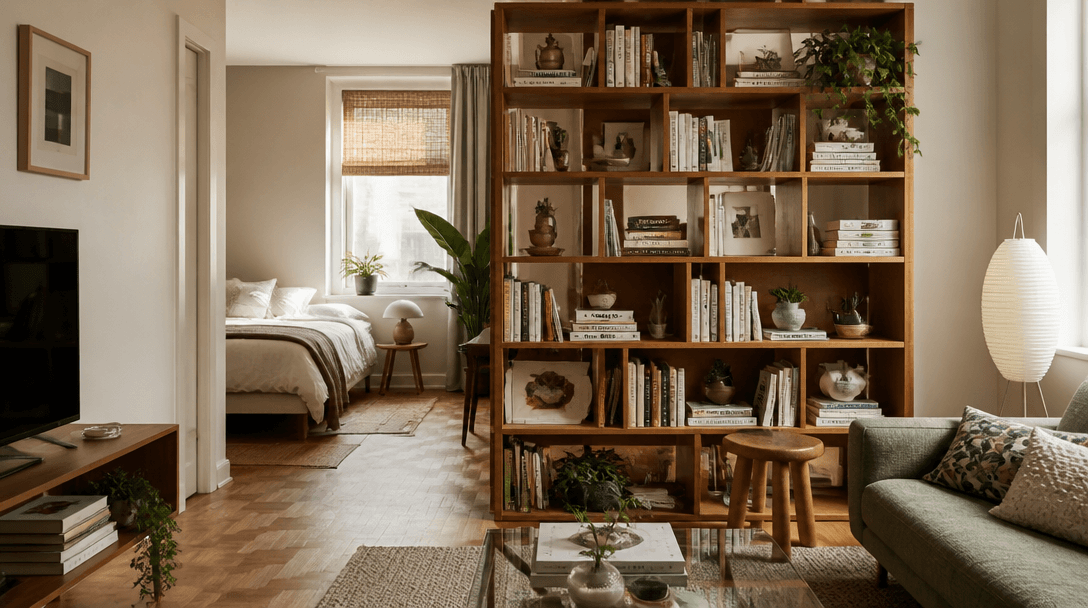
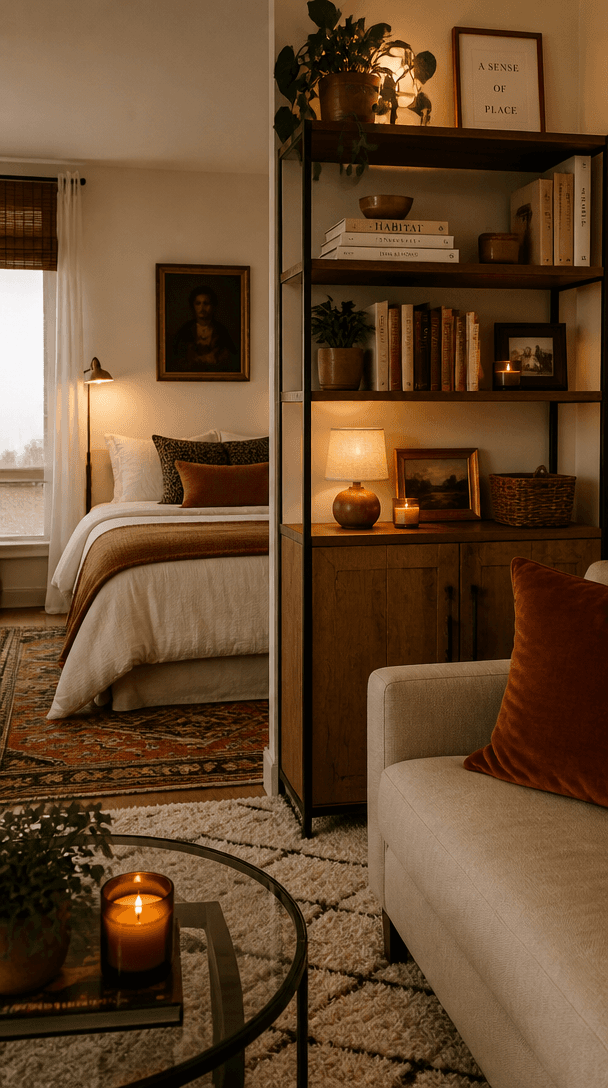
The most direct way to divide a studio is by using physical dividers that create a clear visual wall without completely shutting out light. A fantastic, rental-friendly way to do this is with open-backed bookshelves. Brands like Godrej Interio offer wonderful modular wooden or metal storage units that you can place perpendicular to your main wall. By keeping the shelves open, natural light from your windows can still filter through to the darker side of the room. You can style these shelves with indoor plants like pothos or snake plants, which thrive in Indian weather, along with books and small storage baskets.
Another excellent option is using floor-to-ceiling curtains. You can install a simple, damage-free tension rod or a lightweight ceiling track to hang long drapes. In an Indian home, heavy velvet curtains can feel suffocating and trap a lot of dust during dry seasons. Instead, opt for lightweight linen or sheer cotton fabrics in neutral shades. These fabrics breathe well, let natural light pass through, and add a breezy, resort-like feel to your studio. You can easily slide them open during the day to keep the space feeling grand and spacious, and pull them shut at night to create a completely private cocoon around your bed.
If you want something more traditional and artistic, consider foldable wooden partition screens, often called jali screens. These hand-carved wooden dividers are deeply rooted in Indian design heritage and are widely available in local furniture markets. They are incredible because they do not require any installation at all. You simply unfold them and stand them up wherever you need a temporary wall. The intricate cutouts allow light and air to circulate freely, which is essential during hot, humid summer months, while effectively hiding your bed from the view of guests standing at your entryway.
Step 3: Use Color and Rugs to Create Visual Boundaries
You do not always need a physical barrier to separate two areas: visual cues can be just as powerful. One of the most affordable and impactful ways to achieve this is through color zoning. If your landlord allows you to paint, pick up a couple of cans of high-quality paint from Asian Paints, which will only cost you around ₹1,500 to ₹3,000. Instead of painting the entire apartment in one color, use color blocking to define different spaces. For instance, you could paint a deep, calming forest green or terracotta arch on the wall directly behind your bed, creating an instant headboard effect. For your workspace, you could paint a clean pastel blue geometric shape behind your desk.
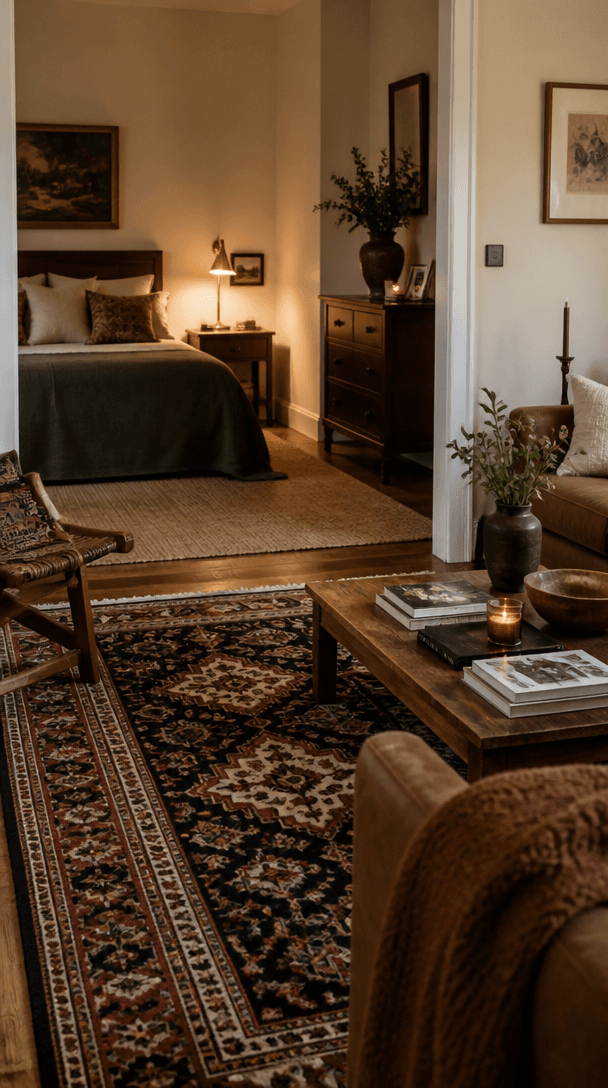
If you are renting and cannot paint the walls, you can achieve the exact same zoning effect on your floors. Rugs are the ultimate secret weapon for studio apartments. A large, high-quality rug acts as an anchor that binds a specific zone together. For your living room area, place a soft, woven cotton or jute rug (which handles Indian dust beautifully) and make sure the front legs of your sofa and armchairs sit comfortably on it. This tells the brain: everything on this rug is part of the relaxation zone. In contrast, leave the pathway to your kitchen bare, or use a simple runner to define the high-traffic corridor.
When choosing flooring materials or rugs, keep the practicalities of Indian weather in mind. While thick, plush wool carpets look gorgeous, they can become breeding grounds for dust mites and feel uncomfortably warm during our long summers. Instead, look for flat-weave cotton rugs, dhurries, or natural jute mats. They are easy to shake out, vacuum, or wash, and they provide a cool, textured experience that is perfect for our climate. If you are doing a full renovation of an owned studio, you can even use different tiles from Kajaria, such as wood-look vitrified tiles for the living area and classic ceramic tiles for the kitchen, to build permanent visual boundaries.
Step 4: Arrange Furniture Strategically to Create Walls
Many people automatically push all their furniture flat against the walls in an attempt to make a small room feel larger. However, this often leaves a large, awkward empty space in the middle and makes the apartment feel like a waiting room. To create proper living zones, you need to pull your furniture away from the walls. A classic trick is to place your sofa with its back facing your bed. By doing this, the solid back of the sofa acts as a physical wall that blocks your line of sight. When you are sitting on the couch watching television or chatting, you cannot see your bed, which instantly makes you feel like you are in a separate living room.
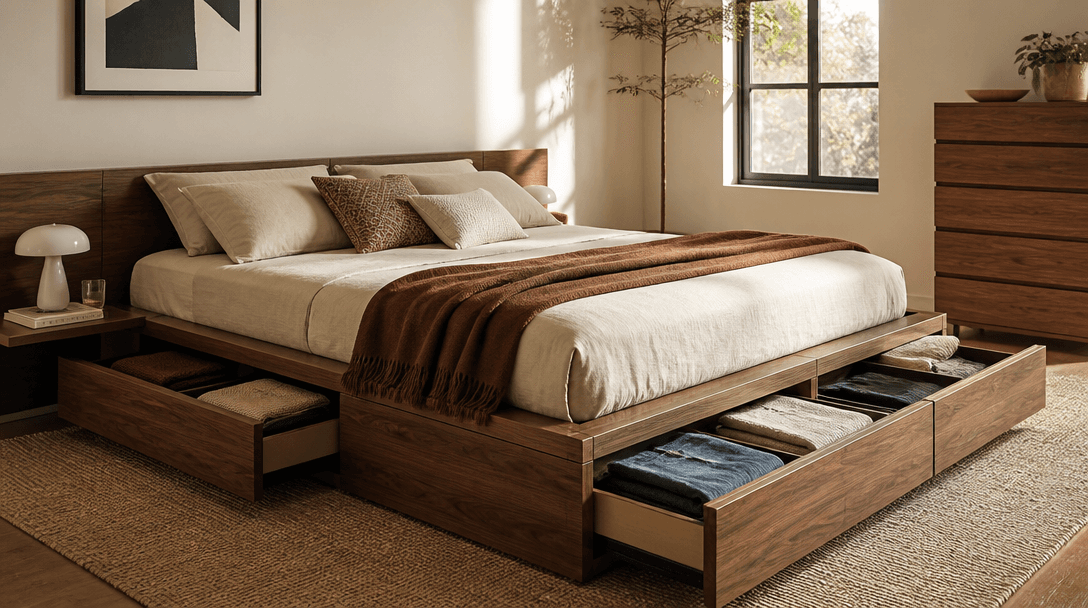
For your sleeping area, invest in a high-quality mattress that supports your physical health. Since space is limited, your bed will likely double as a lounging spot during the day. Go for a durable, supportive mattress from a trusted brand like Sleepwell, and dress it with crisp, neutral bedsheets. To keep the zone looking tidy, choose a bed frame with built-in hydraulic storage underneath. Indian homes require a lot of storage space for seasonal items like heavy blankets, monsoon gear, suitcases, and extra linens. Stash these away under your bed to keep your studio floor completely free of clutter, which is the key to maintaining a spacious feel.
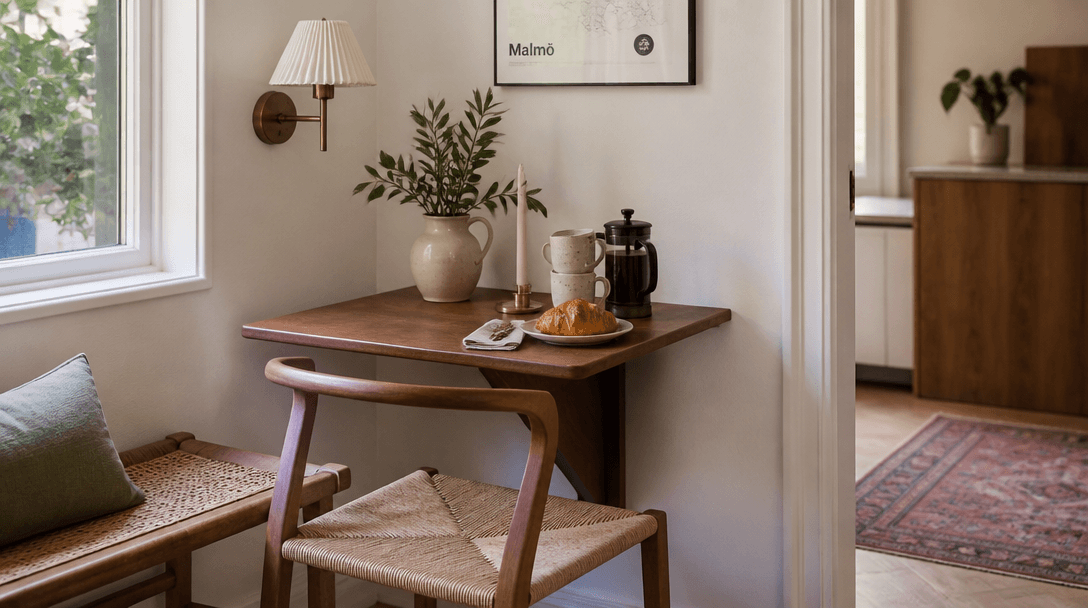
Another brilliant zoning furniture piece is a kitchen island or a high bar table. If your studio has an open kitchen layout, placing a slim, counter-height table between the cooking area and the living space serves multiple purposes. It acts as a physical barrier that defines where the kitchen ends, provides essential extra countertop space for chopping vegetables and prepping meals, and doubles as a dining table with a couple of bar stools tucked underneath. Look for sleek designs with built-in drawers or shelves underneath to maximize your storage potential for kitchen spices, cookbooks, and small appliances.
Step 5: Leverage Layered Lighting to Define Spaces
Lighting is one of the most underutilized design tools when it comes to small space zoning. If your studio apartment relies on a single, harsh fluorescent tube light on the wall, the entire room will look flat, cold, and undeniably small. To create distinct zones, you must layer your lighting and control them with separate switches. Each zone should have its own dedicated lighting scheme that matches its function. For your workspace, you need bright, cool white light to keep you alert. A sleek LED desk lamp or a clip-on light is perfect for this, allowing you to focus light directly on your tasks without illuminating the rest of the apartment.
In your living room zone, aim for warm, ambient lighting that creates a relaxed, inviting atmosphere. You can achieve this by placing a tall floor lamp in a corner or a stylish table lamp on an end table next to your sofa. In your bedroom zone, use soft, dimmable bedside lamps or fairy lights with a warm yellow glow. When night falls, you can turn off the bright overhead lights and turn on only the warm lamps in your living and bedroom zones. This creates beautiful pockets of light and shadow, making your studio feel incredibly cozy, romantic, and deceptively large, as the unlit corners of the room gracefully recede into the background.
Step 6: Smart Hacks for Indian Environmental and Rental Realities
Living in India means dealing with specific environmental factors that foreign design blogs often overlook. Dust is a major daily challenge in almost every Indian city. To prevent your divided zones from looking cluttered, avoid open shelving for items you do not use daily. Instead, choose furniture with closed cabinets or use opaque, woven storage baskets to hide small items. Keep a handheld vacuum cleaner handy to quickly clean your rugs and dividers once a week. Additionally, ensure that your layout does not block the path of your ceiling fans or air conditioning units, as proper air circulation is vital for surviving our intense summers and preventing mold during the monsoon season.
If you are renting and worried about your security deposit, prioritize non-permanent, damage-free dividing methods. Instead of drilling tracks into the ceiling, use high-strength adhesive hooks or adjustable tension rods to hang lightweight fabric curtains. Use command strips to hang lightweight framed artwork on your visual walls rather than nailing them into the plaster. Keep your furniture modular: search for pieces that can be easily disassembled, reconfigured, or moved. A modular L-shaped sofa or nesting tables are great investments because they can adapt to a larger apartment whenever you decide to move to a bigger place in the future.
The Final Touch: Embracing the Studio Lifestyle
At the end of the day, transforming a studio apartment into a beautifully zoned home is all about mindset and intentionality. It is an opportunity to curate a space that truly reflects who you are, stripped of unnecessary excess. By using smart visual anchors like Asian Paints colors or Kajaria floor styling, physical dividers like open bookshelves, and comfortable essentials like a Sleepwell mattress, you can create a home that feels organized, functional, and warm. We hope these practical tips help you view your studio not as a single, limiting room, but as a blank canvas waiting for your creative touch. Happy decorating, and welcome home to your beautifully divided haven.