Living in a bustling Indian city often means trading expansive backyards for compact apartments. Whether you live in a cozy 1BHK in Mumbai, a modern 2BHK in Pune, or a spacious 3BHK in Bengaluru, your balcony is your primary connection to the outdoors. Sadly, this valuable space often gets neglected, turning into a cluttered storage area for old newspapers, drying racks, and cleaning mops. But with a bit of intentional planning and creative styling, your balcony can become a lush green retreat. It is entirely possible to transform even a small balcony into a serene garden sanctuary where you can enjoy your morning filter coffee or unwind with a book after a long, hectic workday.
Of course, apartment gardening comes with its own set of practical challenges. An apartment balcony is exposed to harsh elements like strong winds, intense summer heat reflecting off concrete, and persistent urban dust. If you are renting, you also have to worry about strict rules regarding drilling holes in exterior walls or causing water damage to floor tiles. The good news is that none of these challenges are deal-breakers. In this comprehensive guide, we will share practical, low-maintenance balcony garden ideas designed specifically for Indian apartment layouts, helping you build a thriving green oasis that is both beautiful and functional.
Step 1: Assess Your Balcony Microclimate
Before you run to the nursery or order plants online, you must observe your balcony's unique microclimate. The most critical factor is the amount of direct sunlight your balcony receives. If you have an east-facing balcony, you will get gentle morning sun until about 11:00 AM, which is perfect for delicate foliage plants, flowering herbs, and semi-shade varieties. West-facing balconies, on the other hand, receive harsh, scorching afternoon sun. If your balcony faces south, it gets bright, direct sunlight all day, while north-facing balconies remain mostly shaded, receiving only bright indirect light.
Wind and water are the next two factors to consider. High-rise apartments experience strong wind gusts that dry out soil quickly and can knock over tall, lightweight plastic pots. You also need to inspect your drainage. Does your balcony have a functional drain hole? If not, you must use deep drip trays under every single pot. This prevents muddy water from overflowing and staining your balcony floor, or worse, dripping onto your neighbor's clean balcony below, which is a common cause of apartment society disputes.
Step 2: Maximize Space with Smart Vertical Layouts
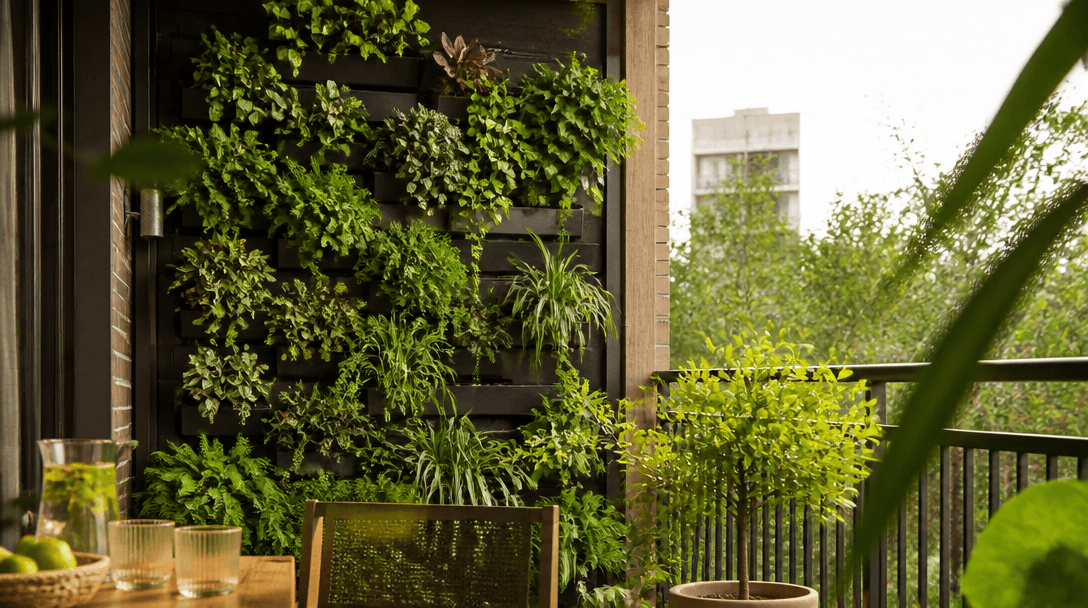
In a compact 1BHK or 2BHK apartment, floor space is extremely valuable. If you clutter the floor with too many pots, your balcony will quickly feel cramped and difficult to clean. The secret to a successful small balcony garden is to go vertical. By utilizing your walls and railings, you can fit a surprising number of plants while keeping the floor completely clear for seating. This approach also makes your garden look much more lush and dynamic, drawing the eye upward and covering bare concrete walls.
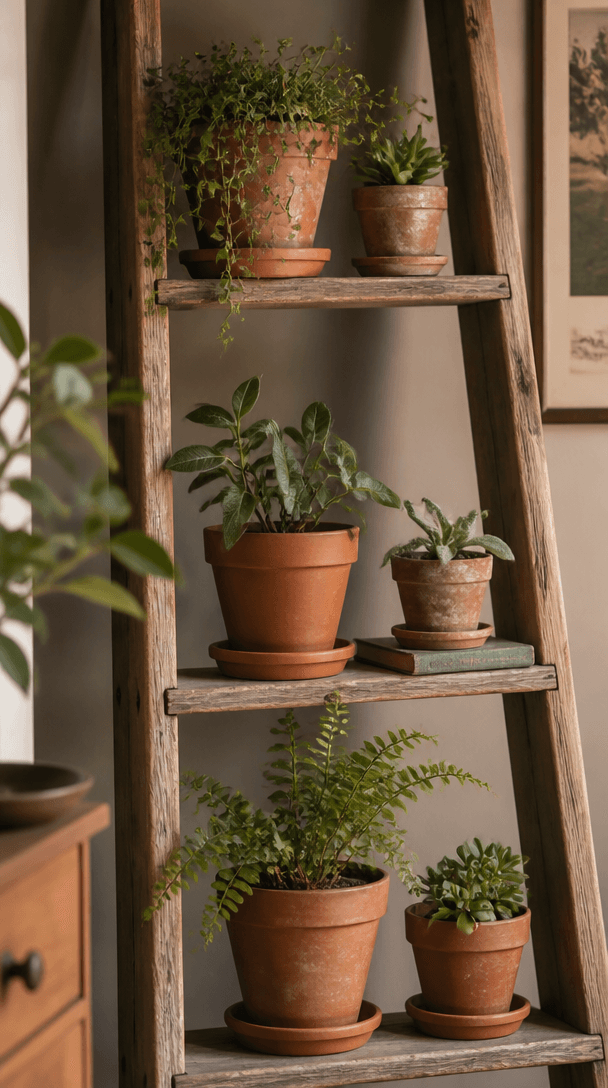
One excellent, rental-friendly option is to use free-standing vertical plant stands. Multi-tiered metal step-stands fit snugly in a corner, holding up to eight medium-sized pots in the footprint of just two. Another great idea is to hang a sturdy wooden trellis or a rust-resistant metal mesh grid on the wall. You can hang lightweight planters from these grids using S-hooks, allowing you to rearrange your plants easily. If you want to utilize your balcony railings, look for durable, UV-stabilized plastic railing planters secured tightly with zip-ties to withstand monsoon winds.
Step 3: Choose Hardy Plants for Indian Climates
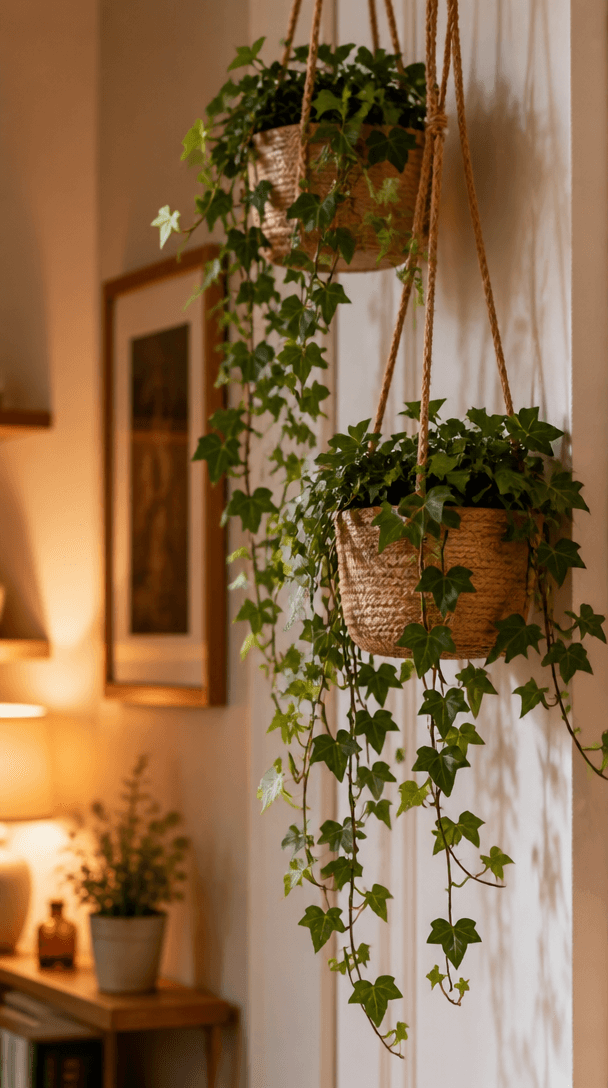
Selecting the right plants is the key to a thriving, stress-free balcony garden. Because Indian summers can be incredibly hot and monsoons bring torrential rain, it is best to choose resilient, hardy varieties that do not need constant pampering. Your plant selection should be guided by the sunlight assessment you did in step one. Let us look at some of the best plant options categorized by their sunlight requirements so you can make highly informed choices when you visit your local plant nursery.
Best Plants for Sun-Drenched Balconies
If your balcony gets direct, intense sunlight for more than four hours a day, you need sun-loving survivors that thrive in heat. Bougainvillea is an absolute champion for Indian balconies. It thrives on minimal watering, loves the scorching sun, and rewards you with stunning, vibrant paper-like flowers in pink, orange, and white. Another great option is Adenium, which stores water in its thick stem and produces beautiful, bright blossoms with very little maintenance. If you love fragrant flowers, you cannot go wrong with Mogra (Jasmine). It loves the warm sun and fills your evening air with a sweet aroma.
A sunny balcony is also the ideal spot for growing kitchen herbs and basic organic vegetables. You can easily grow green chillies, curry leaf (Kadi Patta), mint, lemongrass, and Tulsi in medium-sized terracotta pots. These plants love the sun but need daily watering during the peak summer months of April and May. Make sure to water them early in the morning before the sun gets too hot to prevent the water from evaporating instantly and to avoid burning the roots.
Best Plants for Shady and Low-Light Balconies
If your balcony gets little to no direct sunlight, you can still create a gorgeous, lush green space using shade-tolerant foliage plants. The classic Money Plant is incredibly easy to grow and can climb up a moss stick or trail from hanging baskets. Snake Plants and ZZ Plants are virtually indestructible options that thrive in low light and require watering only once every ten days, making them perfect for busy working professionals who travel frequently.
For a tropical forest aesthetic, consider adding Areca Palms and Boston Ferns. These plants feature beautiful, feathery fronds that add volume, height, and texture to your balcony. While they prefer shade, they do love humidity. During dry, hot summer days, you can keep them happy and green by misting their leaves with a spray bottle once a day or clustering them closely together to create a humid microclimate.
Step 4: Upgrade Your Balcony Flooring and Walls
A beautiful balcony garden is about more than just pots: it is about the overall design and ambiance. The basic, cold tiles provided by most builders can ruin the cozy, organic vibe of your garden. Fortunately, you can easily upgrade your flooring without breaking rental rules. Installing interlocking artificial grass turf is a popular and highly affordable option. High-quality artificial turf feels soft underfoot and instantly introduces a natural, green texture. Ensure you buy a premium variant with proper drainage holes so that rainwater can pass through freely during the monsoons.
Another excellent option is interlocking wooden deck tiles, which click together easily and can be laid directly over your existing flooring. They add a warm, organic wood finish that complements green foliage beautifully. If you own your apartment, consider retiling your balcony floor with slip-resistant, textured outdoor ceramic tiles from trusted brands like Kajaria. For the walls, a fresh coat of high-quality exterior paint, such as Asian Paints Apex Ultima, will protect your balcony from dampness and fungal growth during heavy rains while providing a clean background that makes your plants stand out.
Step 5: Incorporate Space-Saving Furniture and Warm Lighting
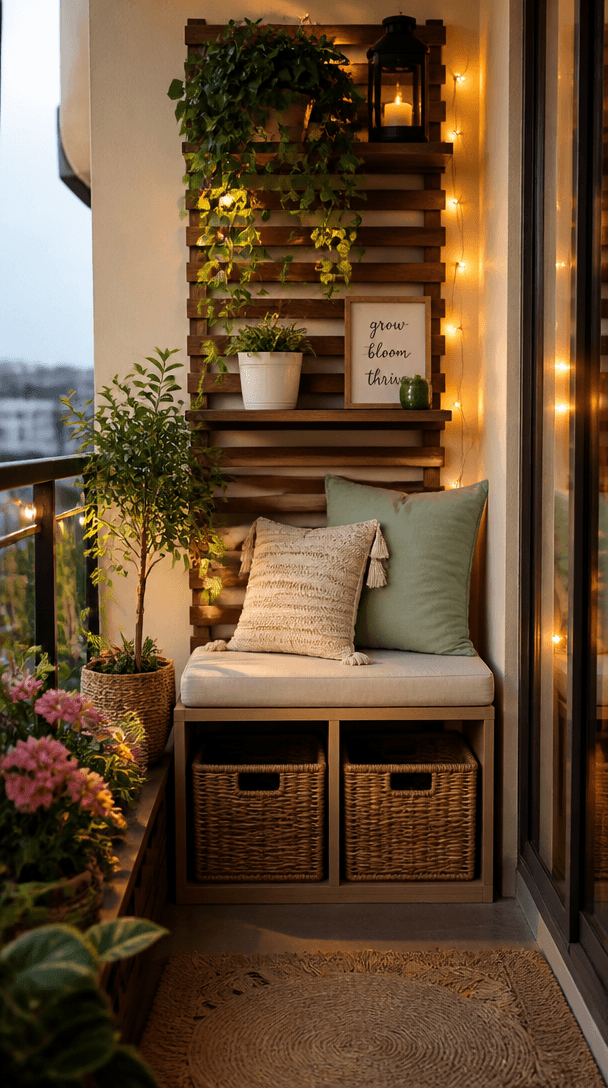
To fully enjoy your green oasis, you need a comfortable place to sit and relax. However, you must avoid heavy, bulky furniture that clutters the space and makes cleaning difficult. For a small balcony, foldable furniture is your best friend. A simple, compact foldable wooden table and a pair of matching folding chairs from Godrej Interio can be easily tucked away when you need extra space. If your balcony is exceptionally narrow, you can install a wall-mounted drop-leaf table that folds completely flat against the wall when not in use.
To make your balcony feel warm and inviting after sunset, the right lighting is essential. Steer clear of harsh, bright white overhead tube lights. Instead, opt for soft, warm ambient lighting. String fairy lights or outdoor bulb string lights wrapped around your railing can instantly create a cozy, magical atmosphere. If you want a more traditional touch, hang a couple of metal or terracotta lanterns with LED candles inside. For an eco-friendly setup, consider solar-powered outdoor stake lights that charge automatically during the day and turn on at dusk.
Step 6: Smart Maintenance, Dust Protection, and Pest Control
Maintaining a balcony garden in an Indian city requires addressing two major daily annoyances: heavy dust and persistent pests. Because of urban pollution and nearby construction, your plants will quickly gather a thick layer of grey dust on their leaves. This dust blocks sunlight, preventing your plants from photosynthesizing efficiently. Make it a weekly habit to gently spray your plant leaves with clean water using a spray bottle or wipe them down with a damp cloth. This simple routine keeps your plants healthy, glossy, and vibrant.
Pigeons are another common problem for apartment dwellers in major cities. They love to nest in quiet balcony corners, destroying delicate plants and creating unsanitary conditions. To keep them away safely and humanely, you can install high-density polyethylene (HDPE) bird netting across your balcony opening. Choose a light-colored or transparent net so it does not block your views or restrict fresh airflow. For organic pest control, mix one teaspoon of neem oil with a few drops of mild liquid soap in a spray bottle of water, and spray your plants once every two weeks.
Complete Balcony Garden Planning Guide and Cost Estimates
To help you plan your balcony makeover effectively, let us look at some realistic budget estimates. You do not need to spend a fortune to create a beautiful space. For a basic, beautiful setup in a 2BHK balcony, you can start with a budget of around ₹5,000 to ₹8,000. This budget will comfortably cover five to six medium-sized plants, basic plastic or terracotta pots, high-quality potting soil, a multi-tiered metal plant stand, and a set of warm fairy lights. If you want to upgrade the flooring with artificial grass and add a set of premium foldable wooden chairs, your budget will range between ₹12,000 and ₹18,000, which is still incredibly reasonable for a complete outdoor transformation.
When buying pots, we highly recommend choosing lightweight materials like high-grade plastic, resin, or fiberglass, especially if you are placing them on vertical stands or railing brackets. Terracotta and ceramic pots are beautiful and excellent for plant health because they are porous, but they can be extremely heavy and are prone to cracking if knocked over by strong winds. To give your plants the best start, avoid using ordinary garden clay soil, which tends to compact and choke the roots in pots. Instead, make a lightweight potting mix by blending equal parts of red soil, organic compost or vermicompost, and cocopeat. Cocopeat is essential as it retains moisture, reducing the frequency of watering during hot summer days.
Another practical tip for apartment gardeners is to plan for your travel. If you travel frequently for work or head to your hometown during long weekends, your plants can suffer from lack of water. To prevent this, you can set up a simple, inexpensive drip irrigation kit with an automatic water timer, which can be connected directly to your balcony tap. If you do not have an outdoor tap on your balcony, clay watering spikes are an excellent alternative. Simply fill a recycled plastic bottle with water, attach it to the clay spike, and insert it into the soil. The porous clay will slowly release moisture directly to the roots over several days, keeping your plants perfectly hydrated while you are away.
Creating a Green Sanctuary That Lasts
Building a balcony garden is one of the most rewarding home improvement projects you can undertake. It is a wonderful, therapeutic way to bring nature into your daily life, improve your indoor air quality, and create a calm space to de-stress after a long day. Do not feel overwhelmed by the process or try to build a perfect, photo-worthy jungle overnight. Start small with just two or three easy-to-care-for plants like a Money Plant, a Snake Plant, and a couple of flowering plants. Observe how they react to your balcony's unique sunlight and watering schedule, and gradually add more plants as your confidence and green thumb grow. With a little patience, love, and the right strategies, your compact apartment balcony will soon become your absolute favorite spot in the entire home.