Walking into a newly rented 1BHK or a cozy 2BHK and realizing it looks a bit cold or uninspiring is a feeling many of us know too well. You want your home to look like those beautifully curated interior design feeds, but your bank account is reminding you of hefty security deposits, moving expenses, and daily bills. The good news is that you do not need a massive budget to create a space that feels deeply personal, warm, and inviting. With exactly ten thousand rupees (₹10,000), a bit of strategic planning, and some weekend sweat equity, you can completely overhaul the vibe of your home. This is not about buying cheap plastic knick-knacks that break in a month; it is about making smart, high-impact aesthetic choices that handle the daily realities of Indian dust, monsoon humidity, and compact layouts.
When you are decorating on a tight budget, the secret lies in focusing on the visual canvas. You have to ignore the urge to buy small, scattered items and instead concentrate on the big blocks of your rooms: the walls, the lighting, the textiles, and the natural elements. In Indian homes, we often deal with harsh white tubelights, hard vitrified tile floors, and a lack of built-in architectural character. By systematically addressing these areas, you can transition your living room or bedroom from a sterile box to a cozy sanctuary. Let us break down a realistic, step-by-step blueprint of how to allocate your ₹10,000 budget to achieve maximum visual impact without cutting corners on durability or style.
Before we dive into the shopping lists, let us look at the financial blueprint. We are dividing our budget into five strategic buckets: ₹2,500 for a DIY wall transformation, ₹2,500 for high-quality soft furnishings and textiles, ₹1,500 for layering cozy lighting, ₹1,200 for oxygen-boosting indoor plants and planters, and ₹2,300 for styling accents, mirrors, and wall art. This precise allocation keeps you disciplined while preventing impulse purchases at trendy online stores. Whether you live in a bustling apartment in Mumbai or a breezy rental in Bangalore, this roadmap will give you a balanced, polished look that feels premium.
Phase 1: High-Impact Wall Transformations (Budget: ₹2,500)
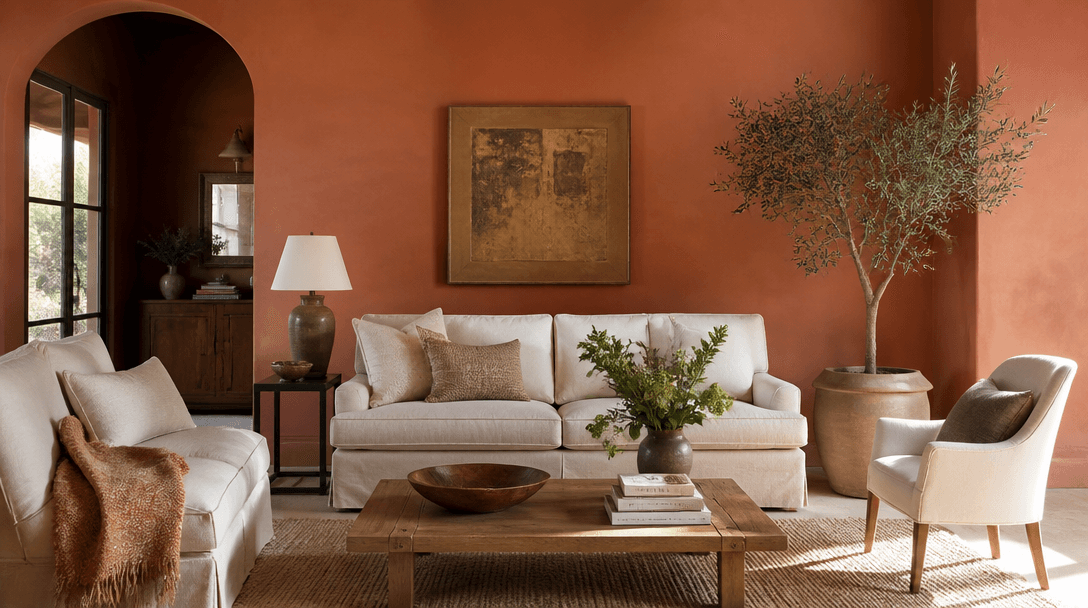
Walls are the largest surface area in any room, and changing them is the fastest way to alter the mood. Instead of painting an entire 2BHK, which can run into tens of thousands of rupees in labor alone, focus on a single accent wall in your living room or behind your bed. You can easily do this yourself over a weekend. Buy a 1-litre can of Asian Paints Tractor Emulsion or Royale Play in a rich, sophisticated shade like warm terracotta, deep olive green, or a muted slate gray. A 1-litre can costs around ₹300 to ₹500, and a basic DIY kit with a roller, brush, and masking tape will set you back another ₹400. Painting a single wall yourself not only saves massive labor costs but also gives you a wonderful sense of personal ownership over the space.
If you are living in a rental home where the landlord has strict rules against painting, do not despair. Peel-and-stick wallpapers have become an absolute lifesaver for budget decorators. You can find beautiful, textured, or minimalist geometric rolls online for under ₹800 per roll. Two rolls are usually enough to cover a standard-sized accent wall or to create a stunning backdrop for your TV unit. When applying wallpaper in humid Indian conditions, especially during the monsoon season, make sure the wall is completely dry and free of flaky distemper before application. A simple trick is to wipe the wall with a dry cloth and apply a thin layer of primer if the surface is too powdery, ensuring the adhesive lasts for years without peeling.
Phase 2: Texturizing with Soft Furnishings and Rugs (Budget: ₹2,500)
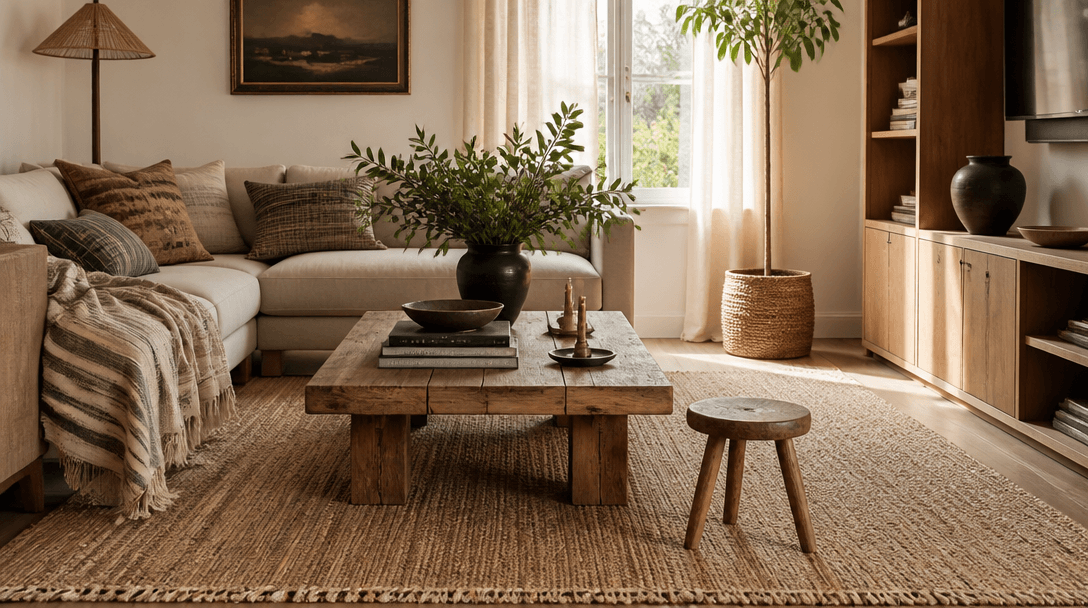
Many Indian homes feature vitrified Kajaria tiles or older mosaic flooring which, while highly durable and easy to clean, can sometimes feel cold and clinical underfoot. A good rug is essential to anchor your seating area and introduce warmth. Skip the heavy, expensive woolen carpets that trap incredible amounts of dust and require professional dry cleaning. Instead, look for a woven cotton dhurrie or a flat-weave jute rug. You can find gorgeous 4x6 feet cotton dhurries at local street markets like Lajpat Nagar in Delhi, Colaba Causeway in Mumbai, or Commercial Street in Bangalore for ₹1,000 to ₹1,200. Jute rugs are also fantastic because they are highly durable, naturally dust-resistant, and add an earthy, organic texture that fits perfectly into modern Indian homes.
Next, let us talk about your sofa and bed. You do not need to replace your old sofa to give your living room a fresh look. A simple, solid-colored cotton throw blanket draped casually over the backrest can instantly elevate its appearance. For cushion covers, avoid buying expensive pre-made options from high-end decor brands. Instead, visit a local fabric market or look for online clearance sales. You can buy plain cotton fabric in complementary shades, such as mustard yellow, rust, or deep teal, and get your local tailor to stitch basic cushion covers with simple zip closures. This custom route often costs less than ₹150 per cushion, including the tailor fees, allowing you to get five or six beautiful, high-quality covers for under ₹800.
Do not overlook your windows. Curtains play a massive role in how spacious and bright a room feels. Many homes use heavy, dark polyester curtains that block natural light and make spaces feel smaller and stuffier. Replace them with lightweight, sheer cotton or linen-blend curtains in neutral shades like off-white, cream, or light beige. You can find beautiful, pocket-friendly options on online marketplaces or local handloom stores for around ₹300 to ₹400 per panel. Hanging your curtains close to the ceiling rather than right above the window frame is a classic designer trick that instantly makes your ceilings look higher and your entire room feel more grand and airy.
Phase 3: Layering Ambient Lighting (Budget: ₹1,500)
The single biggest design mistake in most Indian households is the reliance on a single, harsh overhead white tubelight. While highly functional for cleaning, this type of cool white light flattens the depth of a room and creates a cold, uninviting atmosphere. To create a cozy, premium-looking home, you need to layer your lighting. Start by swapping your tubelight bulbs for warm white (2700K to 3000K) LED bulbs. Warm light instantly softens the sharp angles of your furniture and makes the space feel instantly relaxing. You can purchase a pack of three or four warm LED bulbs from reliable brands like Philips or Wipro for under ₹400.
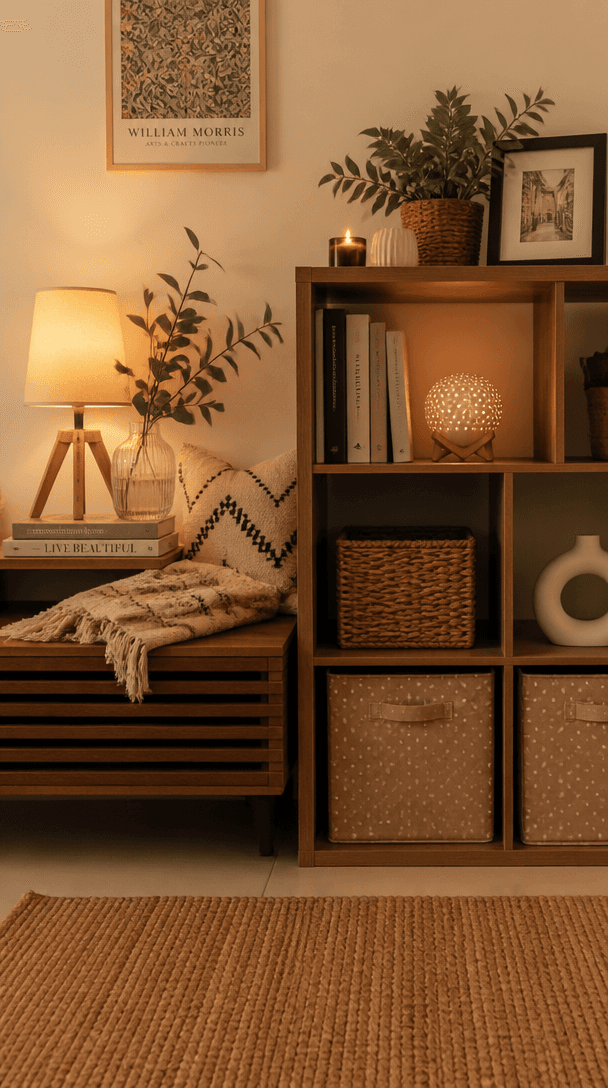
Now, let us introduce accent lighting to create cozy corners. A stylish floor lamp or a couple of well-placed table lamps will do wonders. You can find beautiful, minimalist wooden tripod floor lamps or ceramic table lamps on online budget decor stores or in local electrical markets for around ₹800 to ₹1,000. Place a floor lamp in an empty corner next to your armchair or sofa to create a dedicated reading nook. The soft, downward glow of a lamp draws the eye and makes a room feel larger by highlighting the corners that are usually left in shadow.
To round out your lighting budget, invest in a couple of inexpensive micro-LED copper fairy lights or warm-white strip lights, which cost around ₹150 to ₹200. You can tuck these strip lights behind your TV console or along the back of your bed headboard to create a gorgeous, indirect backlighting effect that mimics luxury hotel rooms. Alternatively, place a string of delicate fairy lights inside a clean glass jar on your open shelves or side table to add a touch of whimsy and warmth to your evenings without spending more than a few hundred rupees.
Phase 4: Introducing Living Greenery and Planters (Budget: ₹1,200)
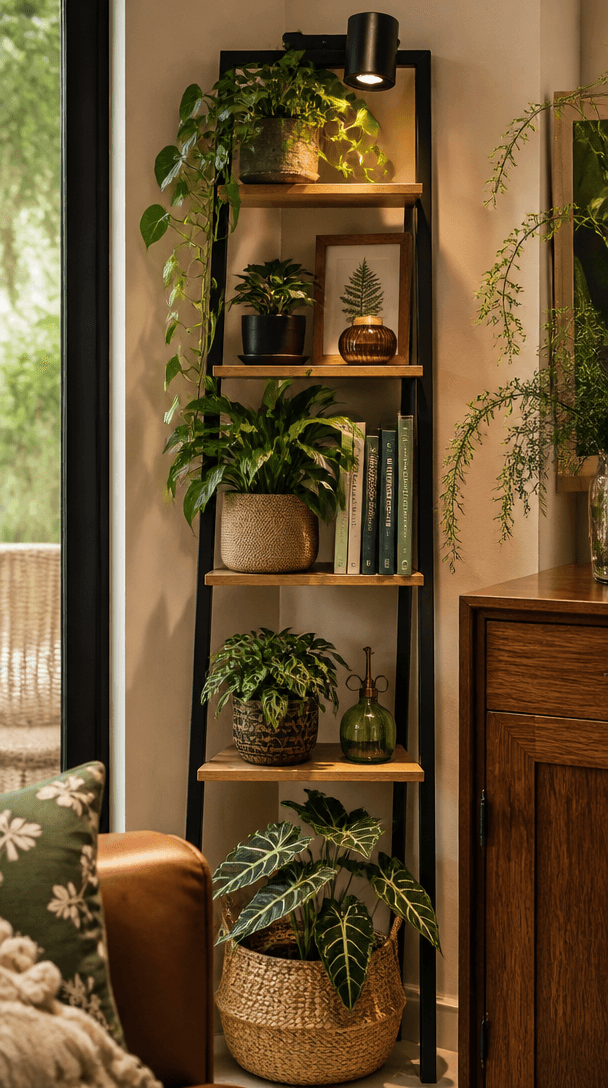
Plants are a decorator's best friend, especially when working with a tight budget. They bring natural movement, vibrant color, and an organic shape to a space, instantly breaking up the rigid lines of furniture. However, do not make the mistake of buying plants from high-end nurseries in shopping malls, where a single plant can cost upward of ₹800. Instead, seek out local roadside nurseries or government-run forest department nurseries. Here, you can find hardy, indoor plants like Money Plants (Pothos), Snake Plants, ZZ Plants, and Areca Palms for as little as ₹50 to ₹150 each. Spend about ₹600 to buy four or five healthy, low-maintenance plants.
The key to making budget plants look expensive lies in how you dress them up. Cheap black or colorful plastic nursery pots can ruin the entire aesthetic of your room. Allocate the remaining ₹600 of your plant budget to sourcing beautiful, budget-friendly planters. Local potters offer terracotta and clay pots (matkas) for extremely low prices, ranging from ₹40 to ₹80 depending on the size. terracotta is not only beautiful with its rustic, earthy appeal, but it is also highly breathable and porous, making it the healthiest choice for your plants during the humid monsoon months when roots are prone to rotting.
If you want a more modern, clean aesthetic, you can easily paint these terracotta pots yourself. Use leftover paint from your accent wall project or purchase a small bottle of white acrylic paint for ₹50. Painting the pots in a clean matte white or creating simple geometric patterns on them gives you a high-end, Scandinavian look for a fraction of the cost of ceramic planters. Group your plants in clusters of three at different heights, perhaps placing one on a low stool and others on the floor, to create a lush, natural focal point in your living room or bedroom.
Phase 5: Curating Personal Art and Statement Mirrors (Budget: ₹2,300)
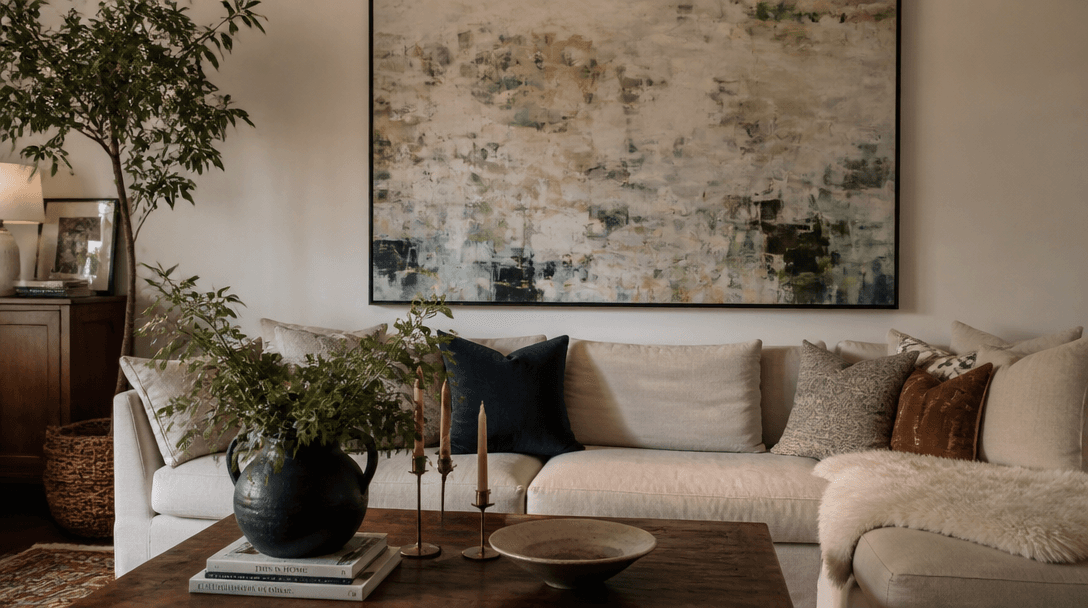
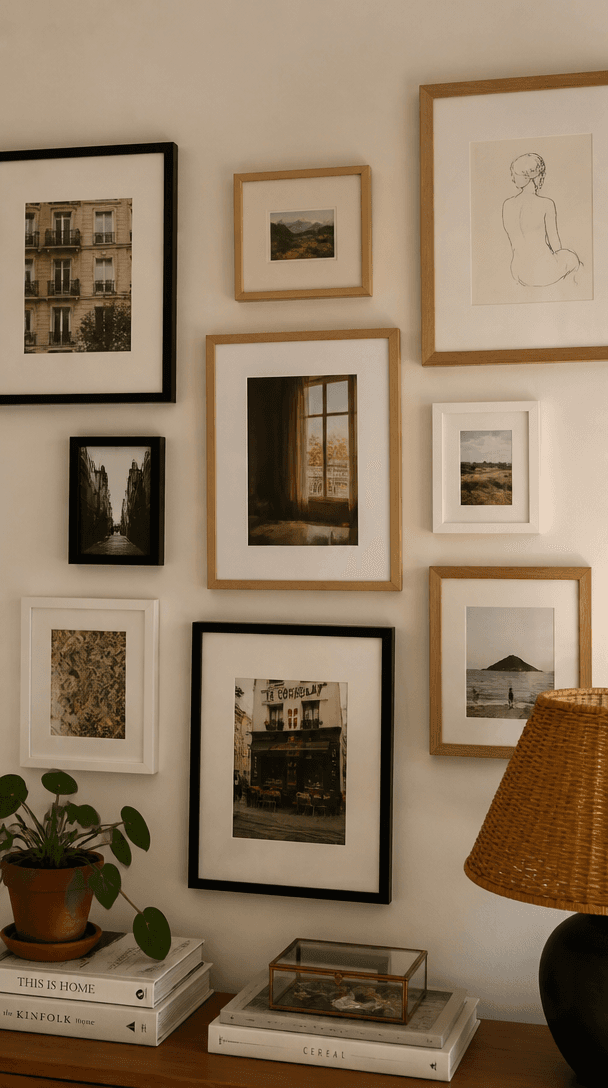
Empty walls can make even a well-furnished room feel cold and incomplete, but buying ready-made framed art from lifestyle stores can easily blow your entire budget. Instead, leverage high-quality digital printing. There are numerous online platforms and public archives where you can download stunning, high-resolution vintage botanical prints, abstract line art, or classic landscapes completely for free. Download three or four coordinating designs and head to a local digital print shop. Printing them on thick, matte cardstock paper (around 250 to 300 GSM) will cost you less than ₹50 per print.
For the frames, bypass expensive decor shops and visit a local frame maker or a local budget market. You can purchase simple, clean black or light wood-finished plastic-composite frames with glass for around ₹200 to ₹300 each for a standard A4 or A3 size. Framing your printed art this way costs around ₹1,000 in total for a stunning, cohesive set of three prints. Hanging them as a gallery wall above your sofa or bed instantly elevates the entire room, giving it a curated, thoughtful feel that reflects your personal taste.
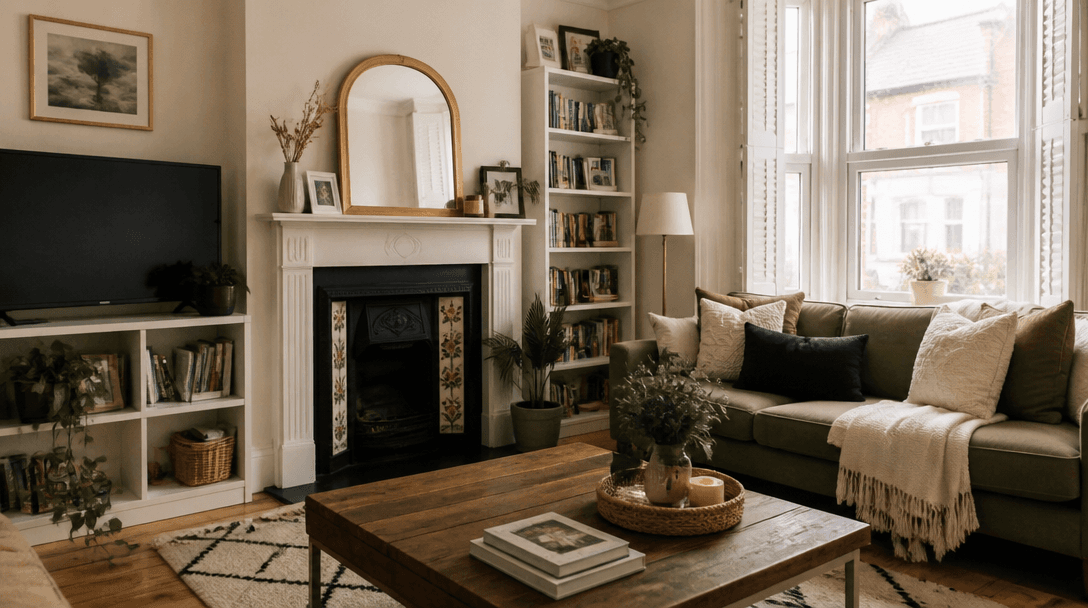
With the remaining ₹1,300 of your budget, invest in a statement mirror. Mirrors are a well-known secret among interior designers because they reflect light and create the illusion of extra space, which is incredibly useful in compact 1BHK layouts. Instead of buying a heavily framed designer mirror, go to a local glass and plywood shop and ask them to cut a simple round or rectangular mirror for you. A 24-inch round frameless mirror with polished edges usually costs around ₹600 to ₹800. You can mount it on your entryway wall or above your dresser using heavy-duty, damage-free double-sided mounting tape. This simple addition instantly doubles the visual depth of the area while bouncing natural light into darker corners.
Practical Solutions for Indian Maintenance Challenges
Decorating a home in India comes with a unique set of environmental challenges, with dust being the most persistent adversary. To ensure your beautiful new decor stays looking fresh, choose your materials wisely. Opt for washable cotton cushion covers that can be easily thrown into the washing machine, and avoid open shelves with too many small, intricate decorative items that require daily dusting. Keep your surfaces relatively clear and prioritize larger, cohesive statement pieces over a dozen tiny knick-knacks, which not only looks cleaner but also slashes your weekly cleaning time in half.
Another crucial factor is dealing with high humidity and dampness during the monsoon season. If you are applying wallpaper or painting walls, always ensure there are no active water leakages or damp patches (known locally as dampness or seelan). Applying paint or wallpaper over damp walls will cause them to bubble and peel within weeks. If you notice dampness, address it first with a basic waterproof sealer or wait until the dry season to tackle that specific wall. Additionally, keep your wooden frames and woven rugs slightly away from damp exterior walls to prevent mold growth, ensuring your budget decor investments last for years to come.
Finally, think about your landlord if you are renting. High-impact but reversible changes are key. Store any original fixtures, such as outdated plastic cabinet handles or ugly light globes, in a box under your bed. When you move out, you can easily swap them back and take your stylish upgrades with you to your next home. Using damage-free adhesive wall hooks for your framed art and mirrors is a great way to avoid drilling holes in walls, saving you from heavy deductions from your security deposit.