Living in a compact urban apartment, whether it is a cozy 1BHK in Mumbai or a rented 2BHK in Bengaluru, often forces us to make peace with architectural quirks. One of the most common challenges is a bedroom completely devoid of a built-in wardrobe niche. When you walk into a room and realize there is no designated wall indentation or pre-installed closet, a brief moment of panic is natural. You start wondering where your daily wear, formal outfits, winter jackets, and traditional Indian festival wear will go without making the room look messy. Traditional heavy wooden cupboards can swallow up precious floor space, leaving your bed feeling cramped and your movement restricted.
However, a room without a dedicated wardrobe space is not a design dead-end. In fact, it is a blank canvas that invites you to think beyond the conventional solid-wood box. The modern approach to interior design is all about fluidity, multi-functionality, and clever zoning. By embracing alternative storage solutions, you can make your bedroom feel larger, brighter, and far more personalized than a standard bedroom with a basic pre-built closet. Let us dive deep into some highly practical, budget-friendly, and stylish wardrobe alternatives that work beautifully in Indian homes, keeping in mind our unique challenges like heavy dust, monsoon humidity, and rental restrictions.
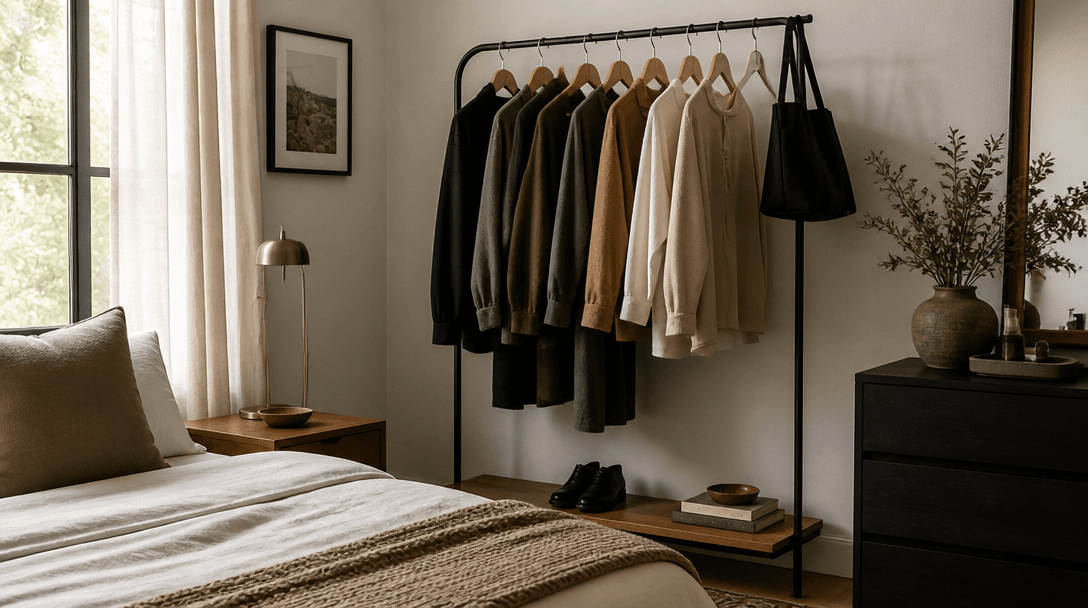
1. The Industrial Style Open Rack System
If you love a modern, loft-like aesthetic, an open garment rack system is an incredibly stylish and budget-friendly alternative to a traditional wardrobe. Instead of blocking light and space with a massive wooden cabinet, you can install floor-to-ceiling metal pipes or purchase heavy-duty freestanding clothes racks. Brands like Godrej Interio offer excellent modular wire shelving units that can be configured with hanging rods and open shelves. This setup keeps the room looking airy because you can see the wall behind the clothes, instantly making a compact 10 by 10 foot bedroom feel less claustrophobic and more spacious.

The biggest hesitation most Indian homeowners have with open racks is dust. With constant traffic, open windows, and dry weather, dust is an inescapable reality in Indian cities. To tackle this, you do not need to abandon the open rack idea. Instead, use a combination of open hanging spaces for your daily-wear items and dust-proof storage for the rest. Invest in high-quality canvas storage boxes, zippered fabric containers, and clear hanging garment bags. By storing your formal shirts, expensive silk sarees, and woolens in protective bags, you keep them pristine while enjoying the visual lightness of an open layout.
Another challenge is the coastal monsoon humidity, which can make clothes hanging in the open feel damp and smell musty. To combat this, place hanging dehumidifier bags containing moisture-absorbing calcium chloride crystals directly on your rack. You can also place a few small bags of activated charcoal on the shelves to neutralize odors naturally. Make it a habit to run your ceiling fan regularly to keep the air circulating around your clothes, preventing any mildew from settling on your favorite outfits during the wet months of the year.
2. The Vertical Bridge Wardrobe Around the Bed
When floor space is at an absolute premium, look at the largest unused area in your bedroom: the wall behind your bed. Most people simply hang a painting or install a decorative headboard, leaving meters of valuable vertical space completely wasted. A vertical bridge wardrobe is an architectural solution where storage units are built around and above your bed frame. You essentially create two tall, narrow wardrobe units on either side of the bed, connected by a bridge of overhead cabinets running along the top of the wall. Your bed, topped with a comfortable Sleepwell mattress, sits snugly in the middle of this cozy, recessed alcove.
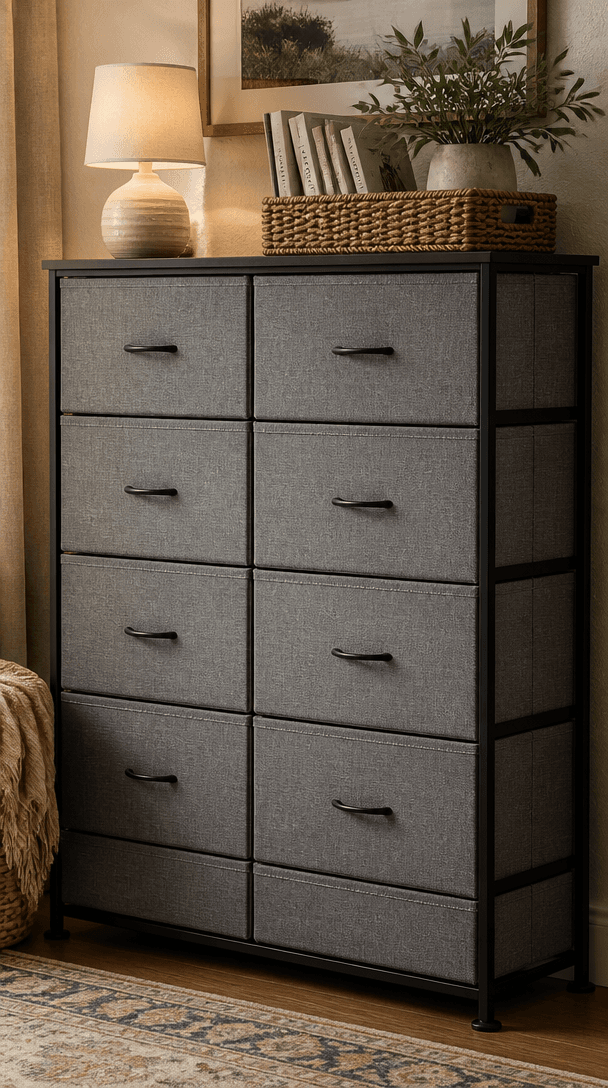
To prevent this structure from feeling overwhelming or causing you to feel boxed in, design the overhead cabinets to be shallower than the side units. Keep the overhead cabinets around twelve inches deep, while the side cabinets can be the standard twenty-two inches deep for hanging clothes. Paint the entire structure in a light, soft shade that matches your bedroom walls, such as soft whites or warm creams from the Asian Paints Royale range. This tricks the eye into seeing the cabinets as an extension of the wall itself, maintaining a sense of openness while providing a massive amount of storage space.
If you are renting and cannot commission custom carpentry, you can replicate this look using freestanding modular bookcases or slim wardrobes placed on either side of your bed. Simply connect them visually by hanging a long floating shelf above the headboard. This setup gives you plenty of shelving for folded clothes, books, and accessories, while costing a fraction of a custom-built solution. A pair of ready-made slim wardrobes can cost around ₹12,000 to ₹18,000, making this a highly accessible option for young professionals living in rented apartments.
3. Floor-to-Ceiling Soft Partitioning with Curtains
If you want the storage capacity of a full wardrobe but hate the look of heavy, expensive doors, a soft curtain partition is your best friend. This idea involves dedicating an entire wall, or a corner of your bedroom, to open shelving and hanging rods, and then hiding the entire setup behind a beautiful floor-to-ceiling curtain. Because curtain fabric flows softly, it introduces a warm, tactile element to your bedroom decor, making the space feel incredibly cozy and elegant while hiding all your visual clutter and everyday items.
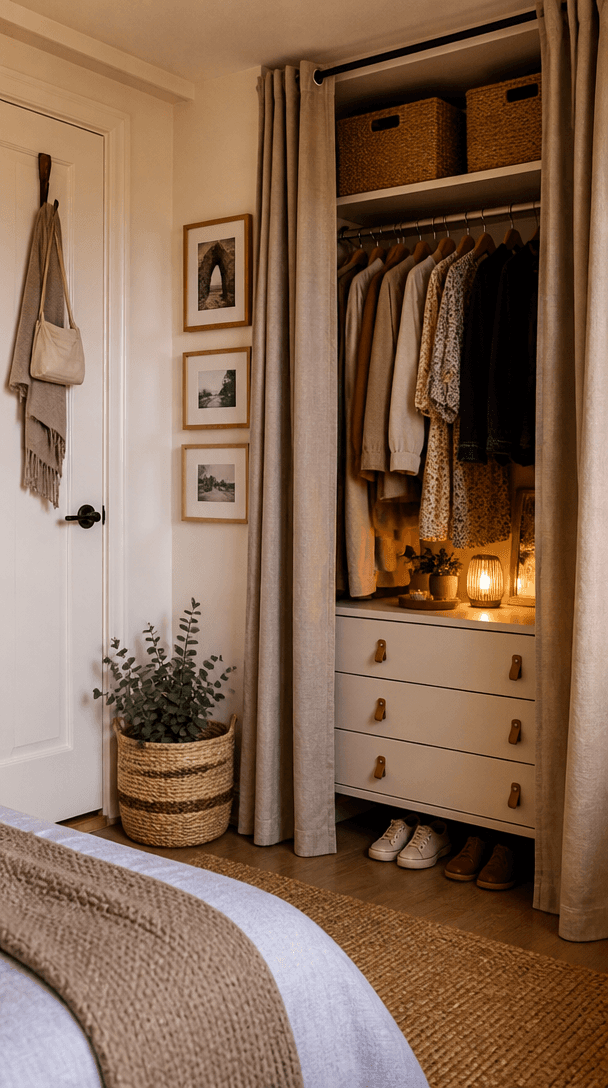
To make this look intentional and premium, avoid cheap tension rods that might sag under pressure. Instead, install a heavy-duty, ceiling-mounted curtain track that runs from wall to wall. Choose a thick, high-quality fabric like heavy linen, cotton canvas, or velvet that drapes beautifully and blocks out dust effectively. If your bedroom has neutral Kajaria floor tiles, match the curtain fabric to the undertone of the tiles to create a unified design scheme. Simply slide the curtain open to access your wardrobe, and slide it closed when guests come over to instantly hide your clothes.
This solution is also incredibly cost-effective. Building a brick partition wall or installing custom wooden sliding doors can easily run into tens of thousands of rupees. A ceiling track and a pair of custom-stitched heavy curtains will cost you less than ₹5,000 in total. Plus, if you are a renter, you can easily remove the track and pack up the curtains when it is time to move to your next home, leaving minimal damage to the landlord's ceiling and walls.
4. Maximizing Awkward Angles and Corner Spaces
Many small bedrooms, especially in older 2BHK and 3BHK constructions, feature awkward corners, structural pillars, or shallow recesses that seem completely useless. Instead of leaving these spaces empty, you can transform them into custom wardrobe alcoves. You can purchase specialized corner clothes racks or install heavy-duty metal pipes directly into the corner walls to create an L-shaped hanging zone. Because corners are deep, they are perfect for hanging long garments like kurtas, dresses, and sherwanis that otherwise take up massive horizontal space in a standard layout.
For renters who are not allowed to drill into structural concrete pillars, heavy-duty floor-to-ceiling tension poles are a lifesaver. These innovative poles use spring-loaded tension to wedge securely between your floor and ceiling, allowing you to attach crossbars, baskets, and hooks without a single screw. You can set up a complete double-tier hanging system in an empty corner in less than twenty minutes. This setup can easily support up to thirty kilograms of clothing, providing a reliable wardrobe alternative for under ₹2,000.
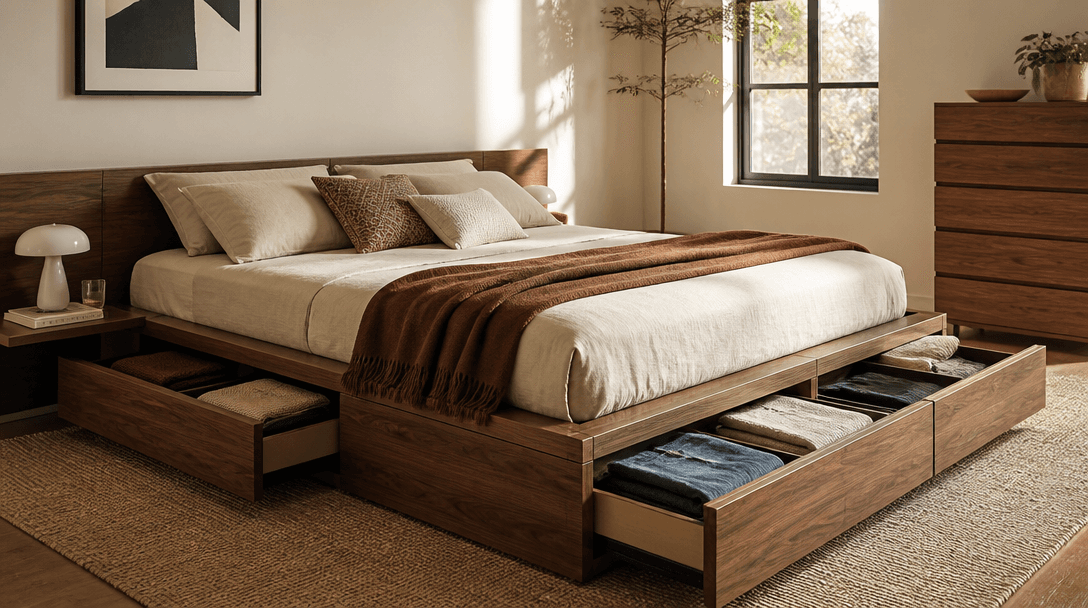
5. The Under-Bed Storage Solution
When you have absolutely zero wall space for a wardrobe, you must look downward. The empty space underneath a standard double bed is roughly equal to the storage capacity of a massive three-door wardrobe. If you are shopping for a new bed, strongly consider investing in a high-quality hydraulic lift-up bed. These beds allow you to easily lift the entire mattress platform with minimal effort, exposing a clean, dust-free storage compartment beneath. This is the ultimate sanctuary for bulky, seasonal items that you do not need on a daily basis.
For everyday items, if your bed has open space underneath, you can use shallow, rolling plastic storage drawers or heavy-duty fabric under-bed organizers with clear plastic tops. Label each container by category, such as activewear, winter knits, or extra bedsheets, so you do not have to pull out every single box to find what you need. Ensure your organizers have secure zippers to prevent dust and insects from settling into your clothes, keeping everything fresh and ready to wear at all times.
6. Material Selection and Weatherproofing Tips
When choosing materials for your alternative wardrobe setups in India, durability is key. Avoid cheap, untreated particle board or low-grade MDF, as these materials absorb moisture from the air and swell up, warp, or develop mold during the intense Indian monsoon season. If you are hiring a local carpenter to build any modular shelving or a bed-bridge, always insist on using Commercial Plywood or Boiling Water Resistant (BWR) Plywood. Seal all raw wooden edges with edge-banding tape and apply a high-quality laminate finish to keep moisture and termites at bay.
If you are opting for metal racks, make sure they are powder-coated or rust-treated. Standard iron or cheap steel rods will quickly develop rust in humid coastal areas like Chennai, Kolkata, or Mumbai, which can permanently ruin your expensive clothes with stubborn orange stains. A matte black or gold powder-coated finish not only prevents rust but also adds a sophisticated, upscale look to your bedroom decor, aligning beautifully with modern interior design aesthetics popular today.
7. A Realistic Budget Roadmap
To help you plan your bedroom transformation, let us break down the realistic costs of these wardrobe alternatives in the Indian market. If you are on a tight renter budget of under ₹8,000, your best strategy is the combination of a ceiling track curtain partition, two heavy-duty metal tension poles, and fabric under-bed storage bags. This setup is highly functional, completely non-destructive to the property, and incredibly easy to dismantle and transport to your next home when your lease expires.
If you have a moderate budget of ₹15,000 to ₹30,000, you can opt for a semi-permanent modular setup. This includes buying high-quality freestanding steel wardrobes from reputed brands like Godrej Interio, combined with beautiful storage baskets and a chic dressing mirror to create a dedicated dressing corner. This level of investment gives you robust durability, lockable drawers for safety, and clean aesthetics that will last you for several years without any major maintenance.
For homeowners with a budget of ₹45,000 and above, custom-designed built-in solutions like the around-the-bed vertical bridge wardrobe or a fully integrated hydraulic bed are the absolute best investments. These solutions utilize every single millimeter of available space, match your room's color palette perfectly, and significantly increase the visual appeal of your home by offering intelligent, space-saving design that future buyers or tenants will highly appreciate.
At the end of the day, not having a dedicated wardrobe space in your bedroom is not a limitation; it is an invitation to break free from cookie-cutter design templates. By mixing open metal shelving with soft curtains, maximizing vertical wall spaces, and utilizing the hidden depth under your bed, you can create a highly efficient, beautiful, and deeply personal wardrobe setup. Take a close look at your bedroom layout this weekend, pick the strategy that aligns with your budget and rental rules, and take the first step toward a clutter-free, tranquil sanctuary that you love coming home to every single day.