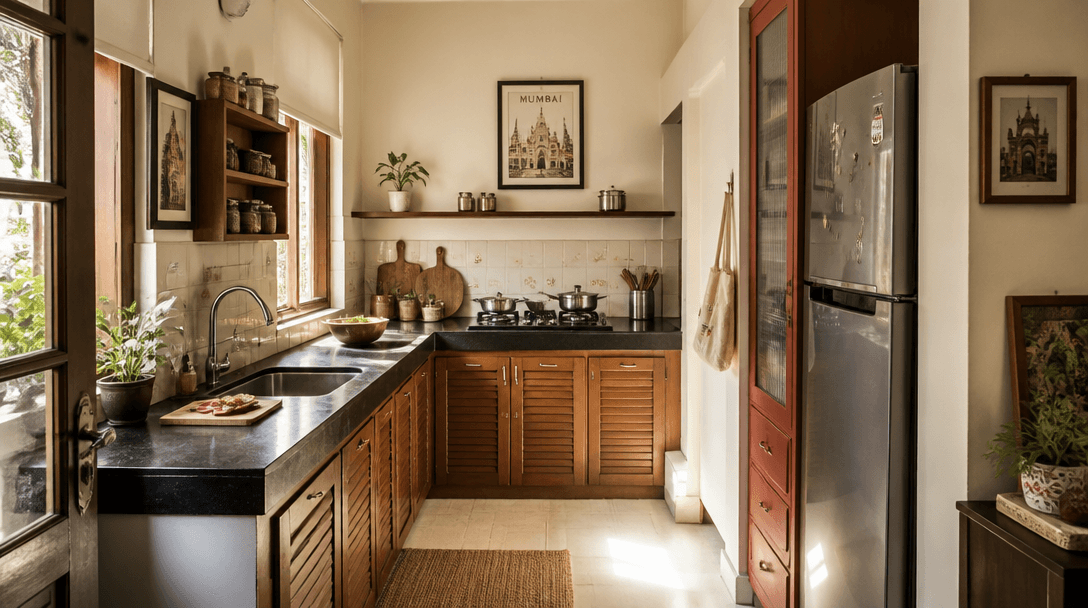
Let’s be honest: the kitchen is the absolute beating heart of an Indian home. It’s where the magic of morning ginger chai happens, where the pressure cooker sings its soundtrack, and where families gather. But over time, splatters of mustard oil, turmeric stains, and sheer volume of usage can leave it looking tired and greasy. If you’ve been gazing at ultra-modern modular kitchens costing upwards of ₹3 to ₹5 lakhs, it’s easy to feel discouraged. However, you do not need to break the bank, dip into your savings, or take a loan to give your kitchen a stunning, functional makeover. With clever planning, smart material choices, and targeted DIY projects, you can transform your cooking space on a remarkably tight budget.
Whether you are living in a compact 1BHK in Mumbai, a standard 2BHK in Bengaluru, or a 3BHK in Delhi-NCR, the fundamental challenges of an Indian kitchen remain the same: limited counter space, heavy grease, monsoon humidity, and dust. A successful budget redesign isn’t about ripping everything out and starting from scratch. Instead, it’s about working with what you have, identifying high-impact areas, and strategically spending your hard-earned Rupees where they make the biggest difference. In this comprehensive guide, we will walk through practical, step-by-step strategies to breathe new life into your cooking space without compromising on quality, durability, or style.
1. Assess and Audit Your Existing Kitchen Layout
Before visiting a hardware store or browsing online catalogs, conduct a thorough audit of your current kitchen setup. Sit down with a notepad and analyze the bones of your kitchen. In most Indian apartments, modular kitchens are built using plywood carcass boxes. Are these plywood structures still strong and free from water damage or termites? If your base cabinets are sturdy and made of high-quality BWR (Boiling Water Resistant) marine ply, you are in luck. You do not need to replace the entire modular unit. Replacing only the exterior finishes - like laminates or cabinet doors - can save you up to 70% of the cost of a brand-new kitchen installation.
This audit phase is also the perfect time to identify functional bottlenecks. Does your current layout make cooking a chore? If you are constantly running out of prep space, look at how you can optimize your “work triangle” (stove, sink, and refrigerator). Sometimes, simply moving a bulky microwave off the counter and onto a strong, wall-mounted bracket can instantly free up valuable workspace. Write down a list of pain points: is it a lack of storage, poor lighting under the cabinets, sticky drawer channels, or just an outdated aesthetic? By prioritizing these specific issues, you ensure that every single Rupee you spend directly improves your daily life.
2. Paint Your Cabinets for an Instant Makeover
If your cabinet structures are sound but the color feels dull, dark, or yellowed with age, paint is your ultimate budget-friendly savior. Instead of spending tens of thousands on new laminate sheets, which require hiring carpenters and dealing with messy adhesive work, you can repaint your existing cabinet doors. Even if your cabinets have laminates, you can still paint them! The key is proper preparation. Start by removing all the cabinet doors, drawers, and hardware. Clean every single surface thoroughly with a heavy-duty degreaser. Indian kitchens accumulate a thick layer of grease from tadka cooking; if you don't remove this residue, your new paint will simply peel off in a few months.
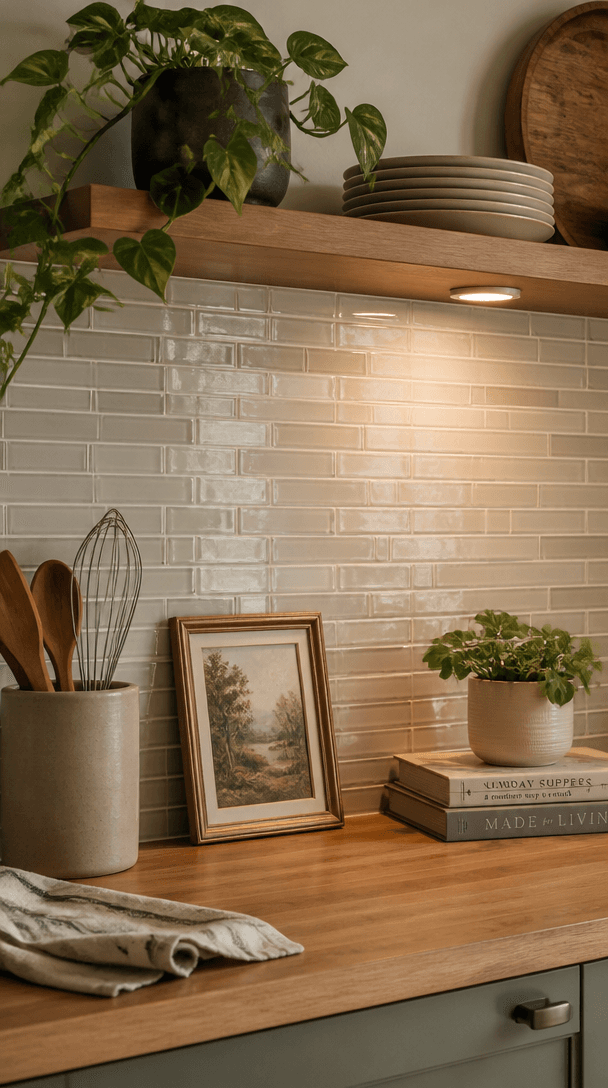
Once clean, lightly sand the surfaces with fine-grit sandpaper to create a texture that paint can cling to. Next, apply a high-quality primer designed for laminate surfaces. When it comes to the final paint, do not cut corners. Opt for premium finishes like Asian Paints Apcolite Premium Gloss Enamel or a water-based PU (Polyurethane) paint. These paints cure to a hard, durable finish that is highly resistant to water, heat, and stains. For a sophisticated, modern look, consider a dual-tone palette. Paint your base cabinets in a deep shade like forest green or navy blue, and keep your upper cabinets in soft off-white. This trick makes compact kitchens look surprisingly taller.
3. Polish or Selectively Upgrade Your Countertop
The countertop is the workhorse of your kitchen, and replacing it can be one of the most expensive and messy parts of a renovation. If you have classic Indian black granite (such as Khammam Black or Jet Black), count your blessings. Granite is incredibly durable, heat-resistant, and virtually impervious to acidic stains from lemon juice or tomatoes. If your granite has lost its luster over the years, do not replace it. Instead, hire a local stone polish professional to re-polish the surface. For a few thousand Rupees, they can buff out minor scratches and restore that deep, mirror-like shine, making your old countertop look brand-new.
However, if your countertop is cracked, severely stained, or made of an outdated material that must go, you can still stick to a budget. Avoid expensive imported quartz or marble, which are prone to staining from turmeric and tea. Instead, opt for durable, pocket-friendly Indian stones. Sadarahalli granite, Kadappa stone, or classic Tan Brown granite are highly affordable, often costing between ₹80 to ₹150 per square foot. They offer exceptional durability and look beautiful. Another fantastic low-cost alternative is to use large-format vitrified tiles (such as 800x1600mm) from brands like Kajaria or Somany. These giant tiles have minimal grout lines, are highly heat-resistant, and mimic luxury marble at a fraction of the cost.
4. Give Your Backsplash a High-Impact Face Lift
Your kitchen backsplash is at eye level, making it one of the first things people notice. It is also the area most prone to greasy splashes and water stains from the sink. If your current tiles look outdated or have stained grout lines, you can completely transform this area without the messy process of chiseling away the old tiles. Ask your local mason about “tile-on-tile” installation. Using specialized polymer adhesives, like those from Laticrete or MYK Arment, you can lay slim, stylish new ceramic tiles directly over your existing tiles. This completely eliminates the demolition cost, minimizes dust, and saves days of clean-up time.
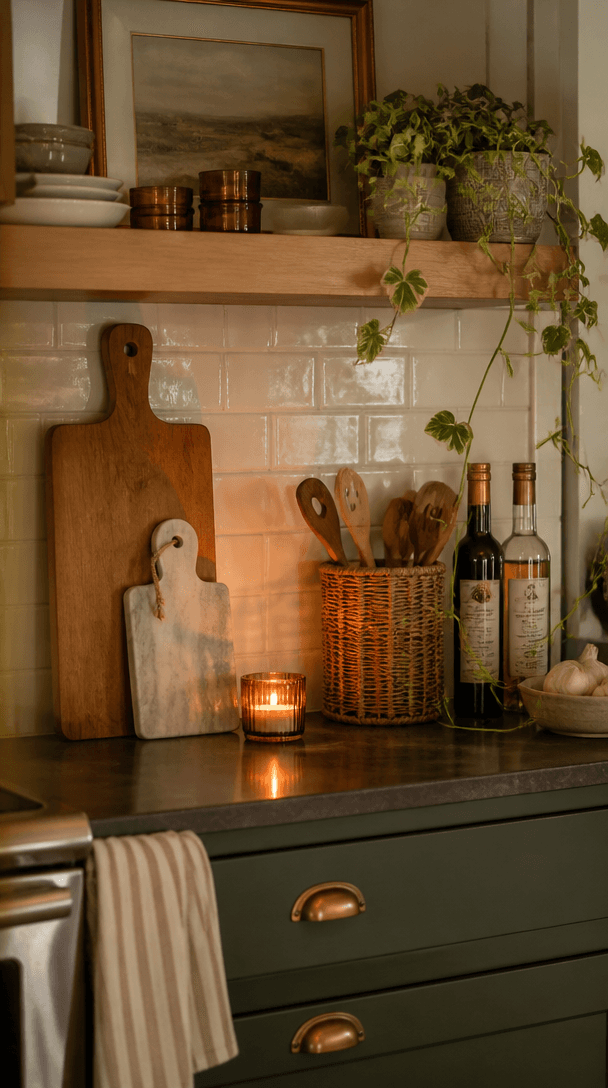
When selecting new tiles, ceramic options from Kajaria or Somany are incredibly cost-effective, with prices starting as low as ₹40 to ₹60 per square foot. To achieve a designer look on a budget, choose classic white subway tiles arranged in a clean running bond pattern, or go for vibrant Moroccan-patterned tiles to add a splash of personality. If you are renting your home or want an even quicker, zero-masonry fix, high-quality PVC peel-and-stick backsplash stickers are a fantastic option. They are water-resistant and easy to clean, but make sure to keep them away from direct contact with gas stove flames.
5. Hardware Upgrades: The Secret to a Premium Feel
Think of cabinet hardware as the jewelry of your kitchen. You would be amazed at how a simple change of handles, knobs, and drawer channels can completely elevate the user experience and overall look of the space. Over time, cheap kitchen hinges lose their tension, and drawers start to sag or get stuck due to dust and grease buildup. Head down to your local wholesale hardware market - such as Lohar Chawl in Mumbai, GB Road in Delhi, or S.P. Road in Bengaluru. Here, you can find high-quality soft-close drawer slides and hydraulic hinges from trusted Indian brands like Ebco or Godrej at wholesale prices, often saving you 30-40% compared to retail showrooms.
Next, replace those old, faded plastic or basic stainless-steel T-bar handles with something modern. Matte black handles, brushed brass knobs, or elegant ceramic pulls can give a standard cabinet an expensive, custom look. If you have plain, flat-panel cabinets, adding sleek, long matte black profile handles can make them look like high-end Italian modular designs. A quick tip: measure the center-to-center distance of the existing screw holes on your cabinet doors before you go shopping. This ensures your new handles fit perfectly into the old holes, saving you from drilling new holes, patching up the old ones, and repainting.
6. Smart Storage Solutions for Compact Layouts
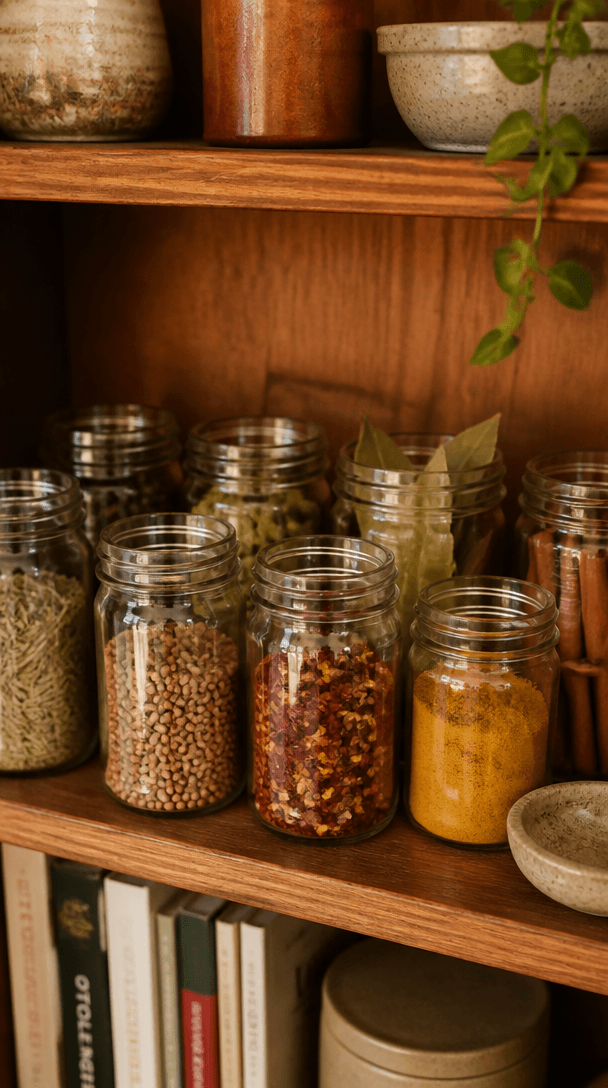
A beautiful kitchen is useless if it is cluttered and unorganized. In typical compact Indian apartments, especially 1BHK and 2BHK layouts, counter space is premium real estate. To maximize your kitchen’s efficiency without spending on expensive pull-out wire baskets, embrace the power of vertical storage. Install simple open shelves on empty walls using heavy-duty metal brackets and polished pine wood or affordable pre-laminated MDF boards. You can use these shelves to store frequently used items like spice jars, oil dispensers, and coffee mugs. This not only frees up your cabinets but also creates a beautiful, airy feel that makes your kitchen look larger than it actually is.
For inside the cabinets, invest in budget-friendly wire organizers and tier shelves. Local brands on Indian e-commerce sites offer highly functional under-sink organizers, lazy Susans for deep corner cabinets, and vertical plate racks. Utilizing the back of cabinet doors is another brilliant, low-cost trick. You can mount small plastic hooks or narrow wire baskets to hold pot lids, dishwashing sponges, or garbage bags. If your kitchen has a deep, hard-to-reach corner cabinet, instead of installing an expensive imported magic corner mechanism that costs upwards of ₹20,000, simply place large, rotating turntable trays (Lazy Susans). They cost under ₹1,000 and ensure you can access every single jar easily.
7. Illuminate the Space Strategically
Lighting is the ultimate design tool that can make a budget space look incredibly expensive and a poorly lit premium space look drab. Most older Indian kitchens rely on a single, harsh fluorescent tube light mounted on one wall. When you stand at the counter to prep or cook, your body blocks this light, casting a shadow right over your cutting board. To fix this on a budget, install under-cabinet LED strip lights. You can buy waterproof LED warm-white (3000K to 4000K) strip lights with a driver for less than ₹1,500. Stick them underneath your wall cabinets to illuminate your workspace directly. This makes chopping vegetables much safer and adds a luxurious ambient glow.
For the main ceiling light, replace that old tube light with a modern flush-mount LED panel or a sleek 3-spot track light fixture. Track lighting is particularly wonderful because you can angle individual spotlights to aim at different areas of the kitchen - like the sink, the stove, and the pantry cupboards. If you have an open kitchen layout or an extended breakfast counter, hanging one or two budget-friendly pendant lights made of natural materials like cane, terracotta, or metal can create a stunning focal point. These fixtures are easily available on local home decor websites or street markets like Banjara Market in Gurugram or Janpath in Delhi for highly reasonable prices.
8. Budget Breakdown: How to Plan Your Rupees (₹) Spend
To help you plan your kitchen makeover effectively, let's look at a realistic budget breakdown for a typical 80 to 100 square foot kitchen in a standard Indian 2BHK. If you choose to execute this project as a combination of DIY and hiring local daily-wage labor, your costs can easily be kept under ₹35,000. For cabinet transformations, budgeting around ₹8,000 to ₹10,000 for high-quality Asian Paints enamel, primers, sandpaper, and labor (or DIY supplies) is a great start. Upgrading your backsplash using Kajaria ceramic tiles and tile-on-tile adhesive will cost approximately ₹6,000 to ₹8,000, including the labor charges for a local mason.
For hardware, budget around ₹4,000 to ₹5,000 for new handles and smooth Ebco drawer runners. Lighting upgrades, including under-cabinet LED strips and a stylish ceiling track light, will cost roughly ₹3,000. Finally, assign about ₹4,000 for modular storage organizers, vertical shelves, and smart organizers. Keeping a buffer of ₹3,000 for unexpected expenses (like minor plumbing repairs or a stubborn valve replacement) brings your total makeover cost to a highly manageable ₹30,000 to ₹35,000. This is a fraction of the cost of a full modular redesign, yet it delivers a completely refreshed, highly functional, and beautiful space that you will love cooking in every single day.
9. Maintenance Tips for an Indian Kitchen Post-Redesign
Once you have successfully redesigned your kitchen, the key to protecting your hard work is a solid, easy-to-follow maintenance routine. Indian cooking is wonderfully aromatic but notoriously hard on surfaces due to grease and turmeric. To prevent your newly painted cabinets or fresh tile grout from yellowing, make it a habit to wipe down the areas around your stove with a soft microfiber cloth and a mild soapy water spray immediately after cooking. Investing in a budget-friendly electric chimney with high suction power (around 1100 to 1200 m3/hr) is highly recommended. It pulls away heavy grease and smoke before they can settle on your beautiful new walls and cabinets.
During the high-humidity monsoon season, place moisture absorbers (like charcoal bags or silica gel packets) inside your closed under-sink cabinets to prevent dampness and musty odors. Regularly oil your drawer runners and cabinet hinges with a drop of WD-40 or machine oil to ensure they keep operating smoothly and silently. By investing just five minutes of daily upkeep and a little care, your beautiful, budget-friendly kitchen makeover will look pristine, vibrant, and incredibly welcoming for many years to come. Remember, a dream home isn't about how much money you spend; it's about the love, creativity, and thoughtful planning you pour into every corner.