Bringing your baby home to your cozy 2BHK in Mumbai or a spacious 3BHK in Bengaluru is one of life's most beautiful milestones. But before you know it, that tiny bundle becomes a toddler scribbling on walls, then a school-goer with bags of books, and finally, a pre-teen demanding privacy. Redecorating a child's bedroom every three years is not just financially draining, costing upwards of ₹1,00,000 each time, but also incredibly exhausting given the dust, carpenter delays, and compact layouts in typical Indian apartments. The key is to design a bedroom that grows with your child, transitioning smoothly from play to study without requiring a complete structural overhaul.
To do this, we need to shift our design mindset away from temporary themes. It is highly tempting to paint the walls in bright cartoon characters or buy a race-car bed that your four-year-old adores today. However, fast-forward four years, and your eight-year-old will find those same characters embarrassing when school friends visit for group study. By focusing on longevity, high-quality materials, and smart layout planning, you can build a bedroom that adapts to their changing needs with only minor, inexpensive tweaks along the way. This practical guide will walk you through how to achieve exactly that.
Smart Furniture Choices: Modular and Multifunctional
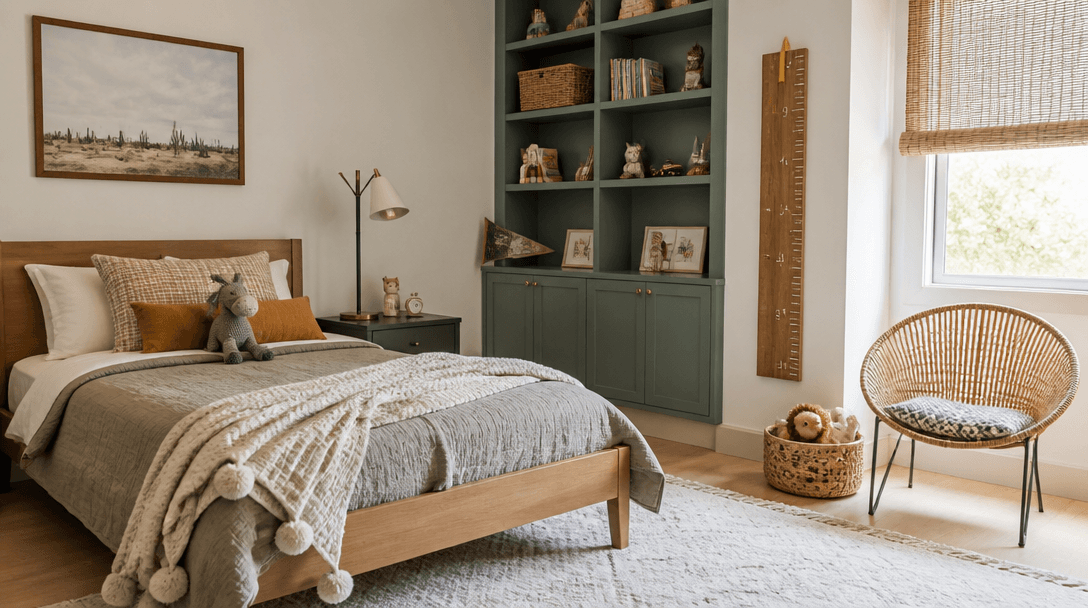
Furniture is where you make your largest financial investment, so getting it right from day one is essential. Instead of purchasing juvenile-sized wardrobes or tiny toddler beds, invest in adult-sized, high-quality furniture. A standard single bed or a queen-sized bed, paired with a supportive mattress from brands like Sleepwell, will comfortably serve your child from age four through college. During their toddler years, you can add safety guardrails to the side of the bed, which can be easily unscrewed and stored away once they grow more confident and no longer need them.
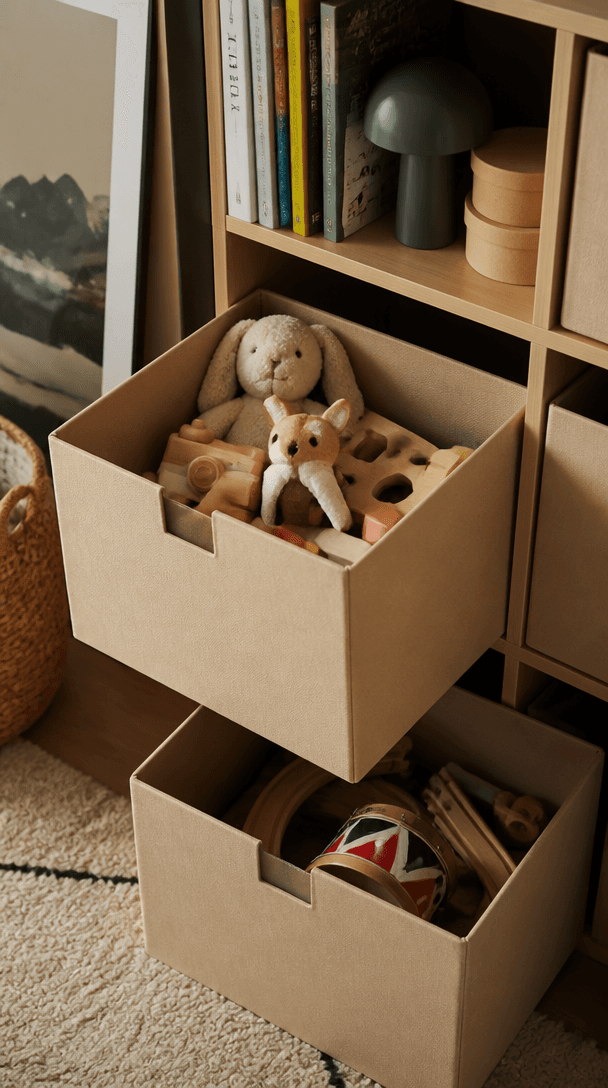
Storage wardrobes should also be built for the long term. In compact Indian apartments, space is premium. Instead of a small, colorful cabinet, invest in a floor-to-ceiling wardrobe with a neutral laminate finish. Look for modular options like those from Godrej Interio, or work with a local carpenter to build a custom unit. The interior of the wardrobe should feature adjustable shelving. When your child is small, lower shelves hold easily reachable toys, and higher shelves store off-season blankets. Later, those same shelves rearrange to accommodate school uniforms, sports gear, and a growing casual wear collection.
The Evolution of the Study Desk
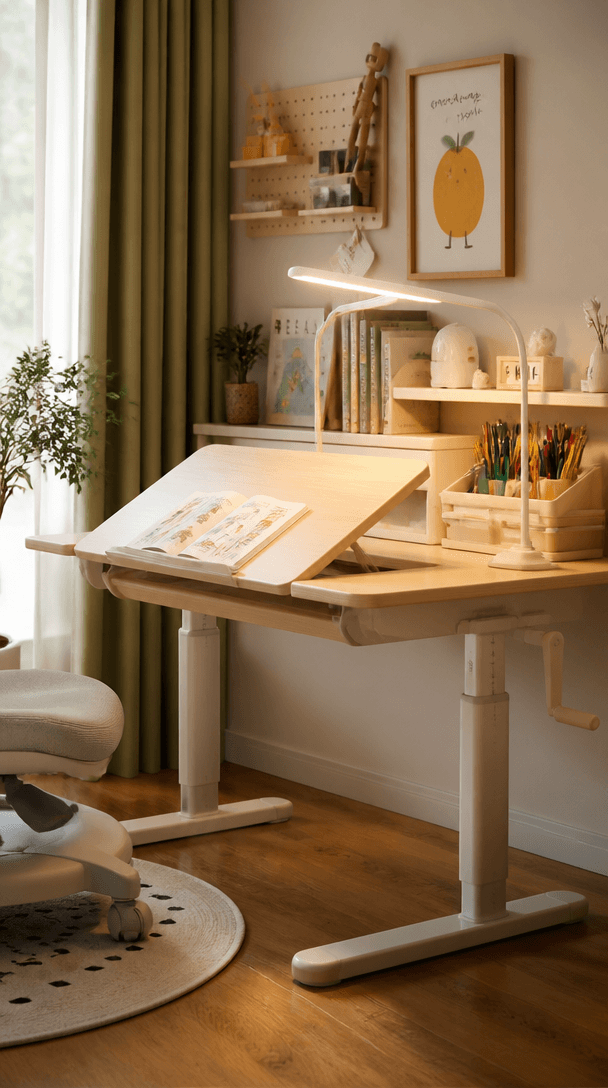
A study table undergoes a massive functional shift. A toddler needs a low-height table for coloring and play-dough, while a teenager needs a spacious desk for a laptop, heavy textbooks, and long study hours. To bridge this gap without buying three different desks over twelve years, look for height-adjustable study tables. If you prefer a custom built-in option, design a floating desk with a clean, broad surface. During the early years, the space underneath can hold colorful plastic storage bins for toys. Later, those bins can be replaced with a sleek drawer unit on wheels to hold school stationery.
Storage Strategies that Tame Toy Clutter and Heavy Dust
In India, we face two major environmental challenges when maintaining a clean home: heavy monsoon humidity and relentless, fine dust. This means open shelving, though highly popular on global design blogs, is incredibly high-maintenance in our local context. A room filled with open toy cubbies will require constant dusting and can trigger dust allergies in young children. Instead, adopt a hybrid storage strategy. Keep seventy percent of your storage closed behind cabinet doors or drawers, and reserve only thirty percent for open display of items.
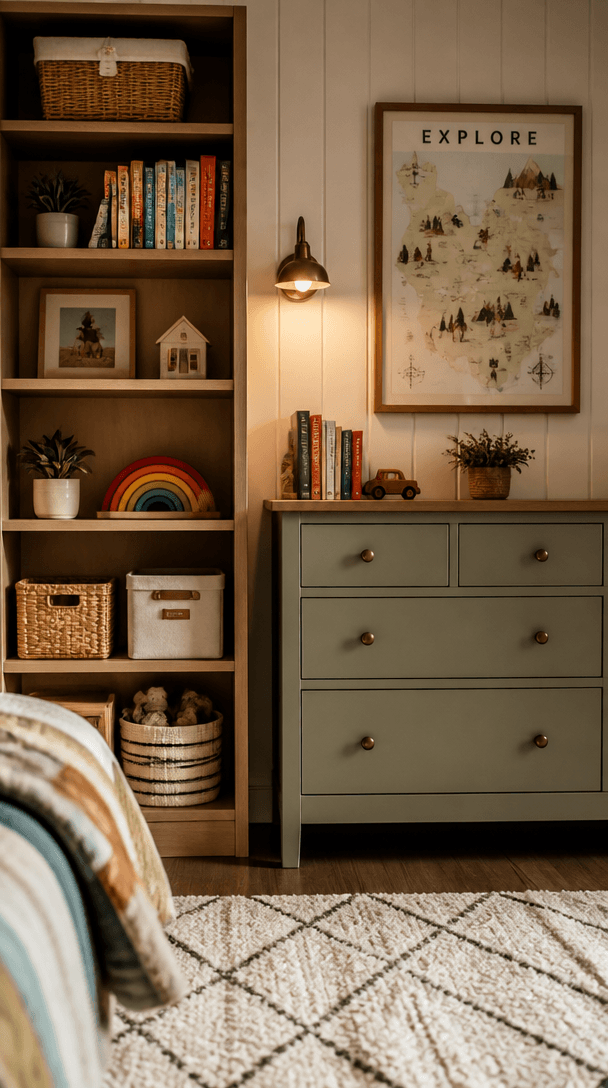
For the closed storage sections, choose deep drawers instead of deep shelves. Drawers are much easier for children of all ages to keep organized. A toddler can easily pull open a drawer and toss their building blocks inside, while a teenager can use the same drawer to store sketching pads, video game controllers, or camera gear. For the open shelving component, use it to display soft toys and picture books during their early years. Later, those same shelves can hold trophies, novels, board games, and decorative items that reflect their evolving personal identity.
Under-bed storage is another lifesaver in compact Indian homes. If you are designing a custom bed frame, opt for hydraulic lift-up storage or deep pull-out drawers on heavy-duty channels. During the early years, this massive space can house bulky baby gear, oversized playsets, and seasonal clothing. As your child grows up, it can transition into storing extra bedding, travel bags, or sports equipment like cricket gear and tennis rackets, keeping the main room clean and free of physical clutter that can accumulate over time.
Color Palettes and Wall Treatments: Beyond Baby Pink and Blue
It is a common urge to paint a kid's room in bright, saturated colors like canary yellow or hot pink. While these colors are cheerful, they have a short lifespan in terms of your child's preference. They also tend to make compact bedrooms feel much smaller. A wiser strategy is to use a neutral canvas for the large surfaces: the walls, ceiling, and built-in wardrobes. Think warm off-whites, soft beiges, or gentle greys. Brands like Asian Paints offer excellent washable interior paints, such as Royale Luxury Emulsion or Royale Easy Clean. These paints allow you to easily wipe away crayon marks, muddy handprints, and pencil sketches with a damp cloth and mild soap, saving you from a costly repainting job every single year.
To bring in the fun, vibrant colors that kids love, rely on easily changeable elements rather than permanent paint or expensive wallpaper. Wall decals are a fantastic, budget-friendly solution, typically costing under ₹1,500. You can apply decals of animals, stars, or cartoon characters on a neutral wall. When your child outgrows them, simply peel them off without damaging the underlying paint, and replace them with geometric patterns, motivational quotes, or even framed posters of their favorite music bands or sports stars.
Soft furnishings are another excellent, low-risk way to introduce color and pattern. Curtains, bed sheets, cushion covers, and throw blankets can be as playful, colorful, and age-specific as your child desires. They are relatively inexpensive to replace every few years. A bright superhero-themed bedsheet set can easily make way for a sophisticated, minimalist geometric pattern when your child enters middle school, completely transforming the mood of the room for less than ₹3,000 without any messy painting work.
Flooring and Soft Surfaces for Active Play and Monsoons
Flooring in an Indian kid's room must be incredibly tough. It needs to withstand dropped heavy toys, spilled glasses of milk, and the high foot traffic of playdates, all while being easy to clean during dusty summer months and warm during cooler winter nights. While hardwood flooring looks beautiful, it is highly susceptible to deep scratches and can warp or buckle during high-humidity monsoon seasons. Vitrified tiles from reputed brands like Kajaria or Somany are an exceptional, low-maintenance choice for Indian homes. They are scratch-resistant, stain-resistant, and incredibly easy to sweep and mop clean daily.
However, hard tiled floors can feel cold and unforgiving for a toddler crawling around or a school-goer playing on the floor. To soften the space, introduce rugs or play mats. For the baby and toddler stage, high-quality, non-toxic EVA foam mats are perfect. They provide a cushioned fall zone, are easy to wipe clean, and can be stored away when not in use. As your child enters school-age, replace the foam mats with a durable, washable flat-weave rug. Avoid thick, high-pile shaggy rugs as they act like magnets for dust and food crumbs, making them incredibly difficult to keep clean without professional dry-cleaning. A low-pile cotton or synthetic flat-weave rug can be easily vacuumed at home.
Future-Proofing Electrical Layouts and Lighting
One of the most frequently overlooked aspects of designing a kids room is the electrical layout. When designing a nursery, you might only think about a single light point, a fan, and a plug point for a baby monitor or a nightlight. But as your child grows, their technological and electrical needs will multiply exponentially. A teenager will need convenient plug points for a study lamp, a laptop charger, a smartphone, perhaps a printer, and gaming consoles. If you do not plan for this early on, you will end up with unsafe, unsightly extension cords running across the room.
When planning the room's wiring, ensure you install multi-point switchboards near the designated study desk area and next to the bed. Look for modular switches with built-in USB charging ports for added convenience. In terms of lighting, plan for a layered lighting system. You will need a bright, shadow-free ceiling light for general play and cleaning, a dedicated task light for studying, and a soft, low-wattage nightlight or accent warm lighting for a comfortable night's sleep. Smart LED bulbs that allow you to change the light intensity and color temperature via a smartphone app are a fantastic, long-term investment.
Designing for Small Spaces: Smart Layout Hacks
For many Indian families living in urban apartments, dedicating a massive bedroom solely to one child is a luxury. Often, children have to share a room, or their room must double up as a guest bedroom or a secondary study space for parents working from home. If you are dealing with a compact 2BHK room layout, vertical space is your best friend. Consider designing a loft bed or a bunk bed setup. For younger children, a bunk bed is an exciting adventure. For older children, a loft bed style elevated platform allows you to place a full-sized study desk, a cozy reading nook, or a wardrobe directly underneath, effectively doubling the usable floor area of the room.
If a built-in loft bed feels too permanent, look into wall-mounted, folding furniture. A wall-mounted study desk that can be folded flat against the wall when not in use opens up valuable floor space for playtime during the toddler and early school years. Similarly, sliding wardrobe doors are a massive space-saver compared to traditional swing doors, as they do not require any clearance space in front of them, allowing you to position the bed closer to the wardrobe if needed.
Practical Budgeting: How to Allocate Your Kids Room Budget
To put these ideas into action, let us look at a realistic budget breakdown for a durable, grow-with-them kids room renovation in an Indian metro city, assuming a total budget of approximately ₹2,50,000. This budget is structured to ensure you spend money on high-quality, permanent fixtures while saving on temporary, decorative items. First, allocate approximately ₹1,00,000 to ₹1,20,000 for high-quality, customized carpentry work. This includes a floor-to-ceiling wardrobe with premium, scratch-resistant laminates, and a sturdy single or queen-sized bed frame with deep, heavy-duty storage drawer channels.
Next, set aside around ₹35,000 for high-quality, ergonomic seating and bedding. This covers a supportive, premium mattress (such as a Sleepwell orthopedic mattress) and an adjustable, ergonomic study chair that supports their posture through long study hours. For wall finishes and electrical work, allocate ₹30,000. This ensures you can use top-tier washable paints like Asian Paints Royale Easy Clean, and install safe, modular switchboards with extra socket points. Finally, reserve the remaining ₹65,000 for soft furnishings, lighting fixtures, a high-quality study desk, and decorative items like washable rugs, wall decals, and curtains. This balanced allocation ensures that the core elements of the room remain solid and functional for up to fifteen years.
Transitioning the Room with Minimal Stress
As your child crosses different developmental milestones, you do not need to call the carpenter back for a major dust-heavy overhaul. Transitioning the room can be a fun project that you and your child undertake together. When your child turns ten, make it a point to sit down with them and discuss what changes they want. It could be as simple as swapping out the cute animal wall decals for floating wooden shelves to show off their lego collections, or exchanging the colorful curtains for solid, neutral blackout curtains that block the bright Indian summer sun.
Encourage your child to curate their own space. Allow them to pick the color of their bedsheets, choose the posters they want to frame, or select the books they want to display on their open shelves. This gives them a sense of ownership and responsibility over their room. Because you made smart, neutral choices for the expensive core items like the Kajaria flooring, the Godrej Interio wardrobe, and the main paint finish, these small updates will not put a dent in your bank account, and they can be completed over a single weekend.
Ultimately, designing a room that grows with your child is about embracing flexibility, high-quality durable materials, and a timeless aesthetic foundation. By resisting the urge to buy hyper-themed, temporary items and instead focusing on smart, modular furniture, washable surfaces, and adaptable storage, you can create a beautiful sanctuary that supports your child's journey from their first steps all the way to their university entrance exams. It is a thoughtful, sustainable, and highly practical way to design a home that feels warm, personal, and ready for whatever the future holds.